




04/09/2026
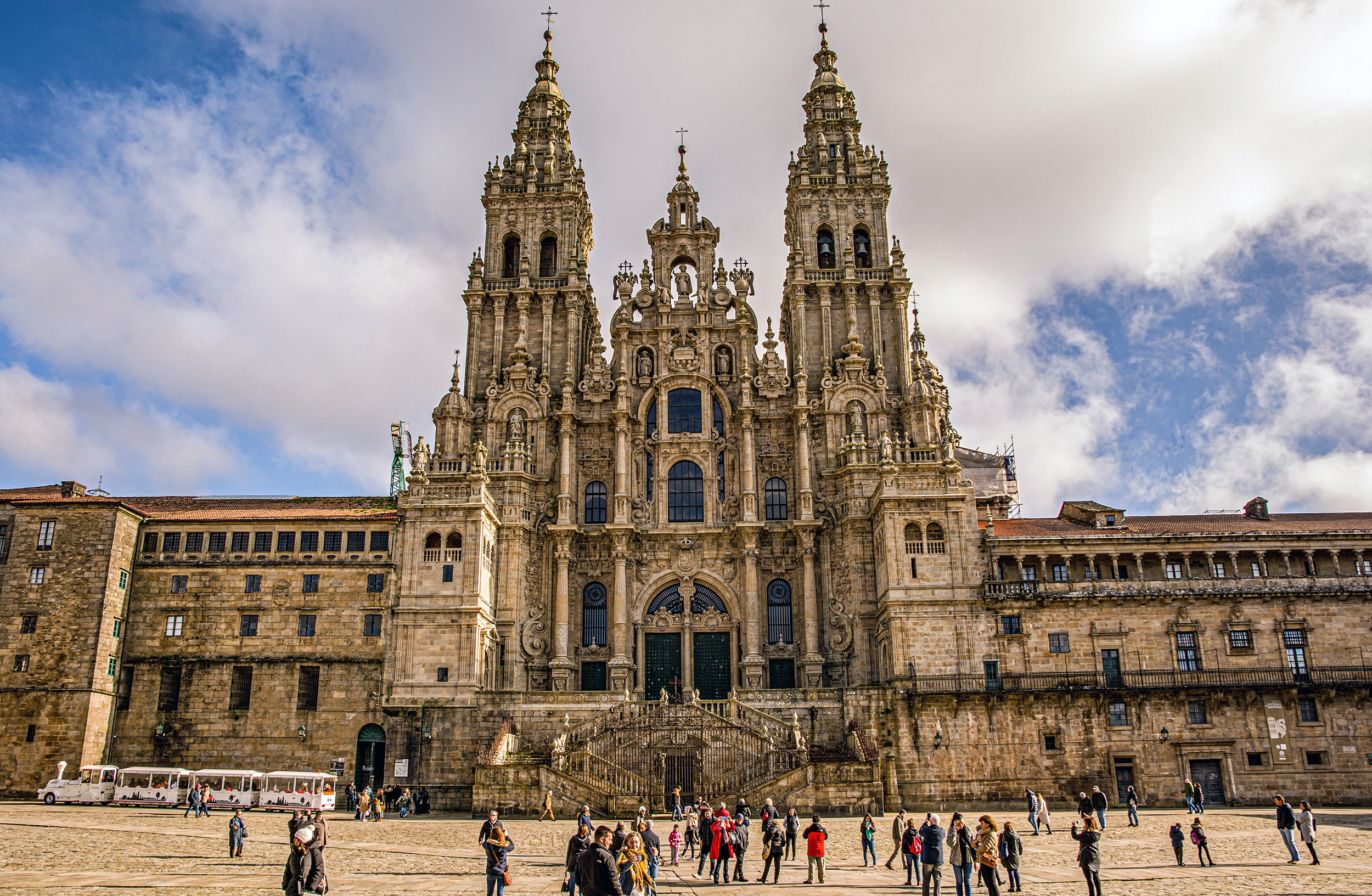
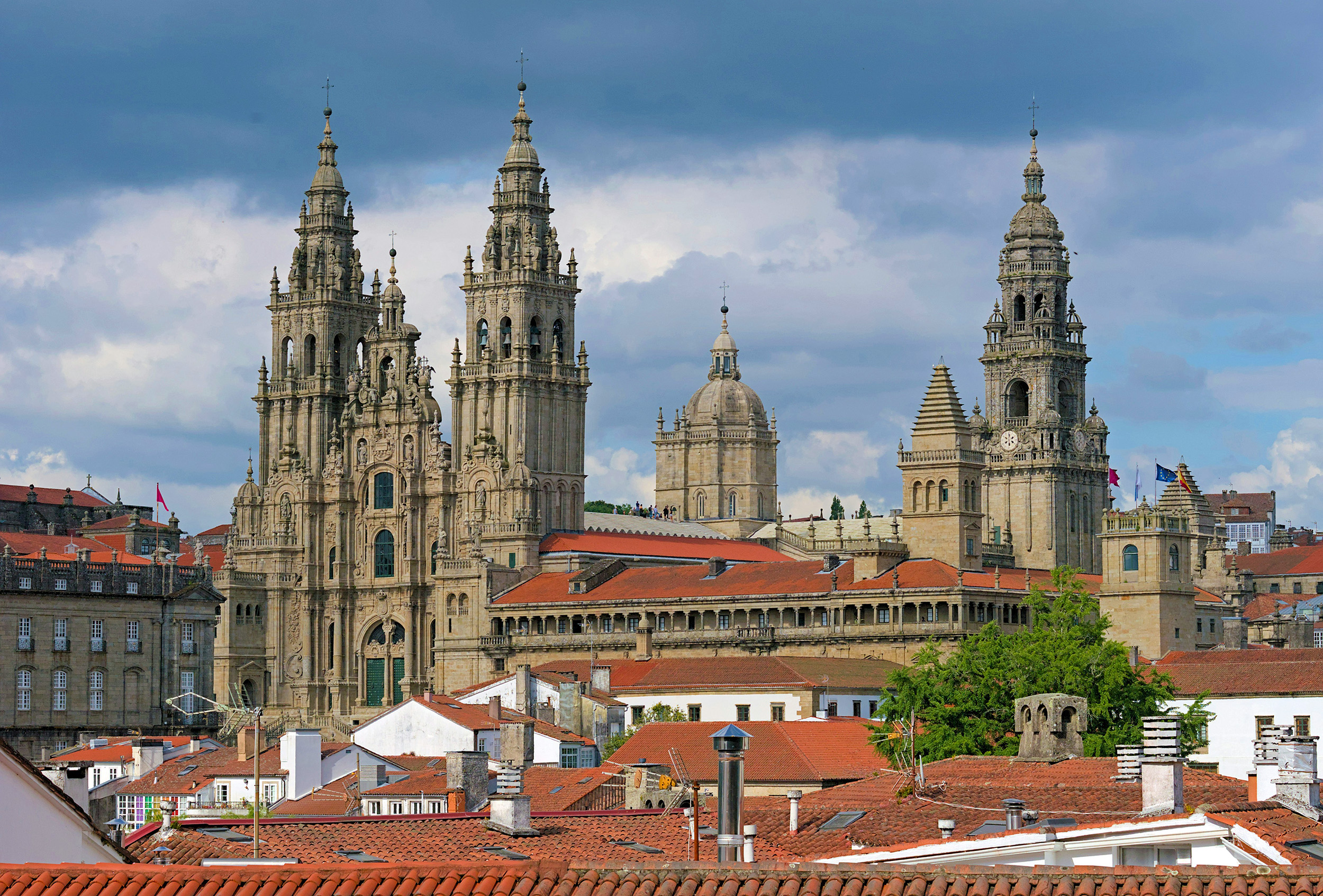
The Cathedral of Santiago de Compostela is one of the holiest and most beloved churches in Europe — the destination, for more than a thousand years, of the pilgrims who walk the Camino de Santiago across Spain and beyond. It rises over the tomb of the Apostle St James the Greater (Santiago), whose relics, rediscovered in the 9th century, made this corner of Galicia one of the three great pilgrimage centres of medieval Christendom, alongside Rome and Jerusalem. The cathedral was built mainly between 1075 and 1211 as a magnificent Romanesque church and later wrapped in Baroque splendour; its old town, shaped entirely by the pilgrimage, has been a UNESCO World Heritage Site since 1985. To arrive in the great square before it, after days or weeks on foot, remains one of the most moving experiences in European travel.
What to See
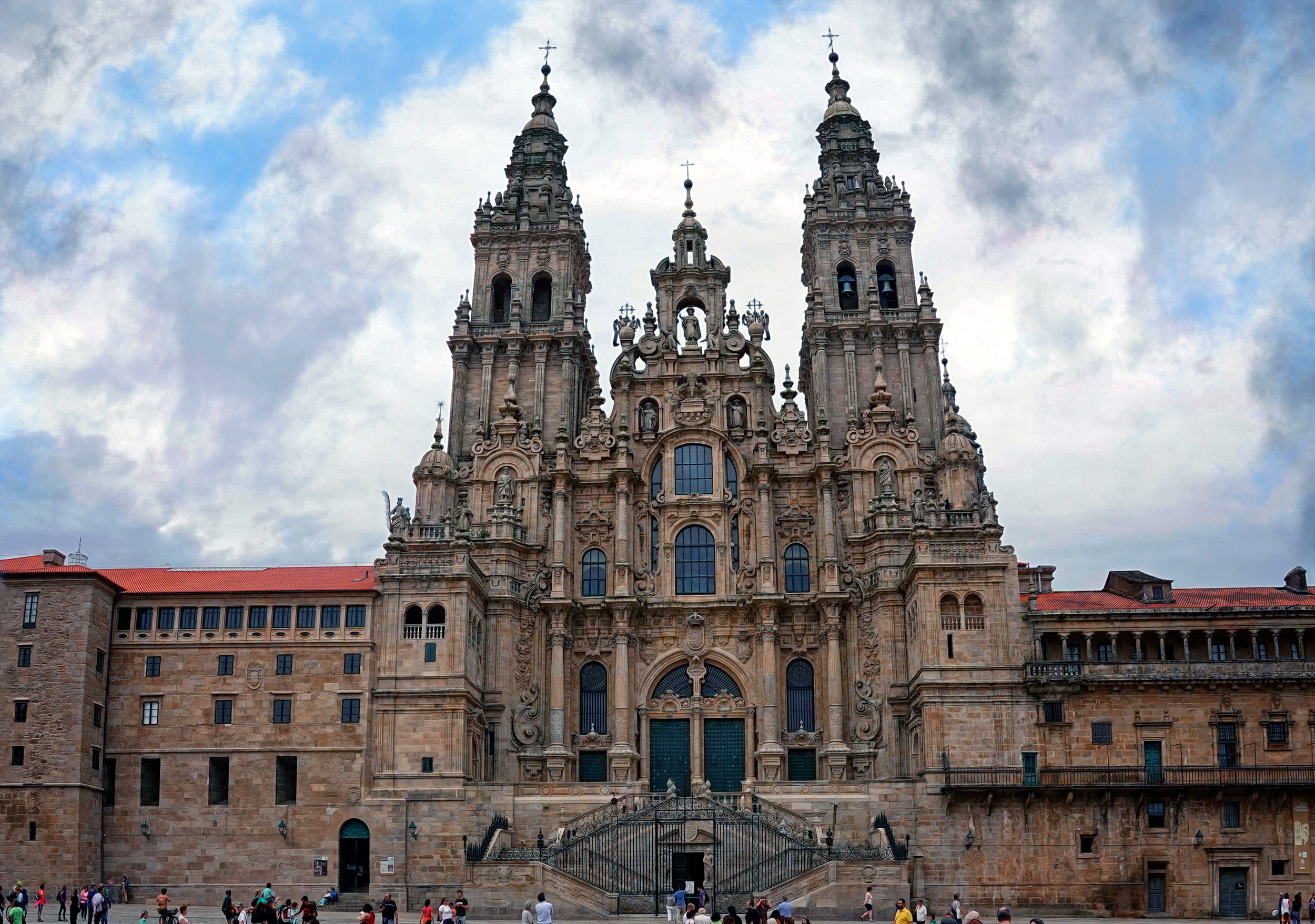
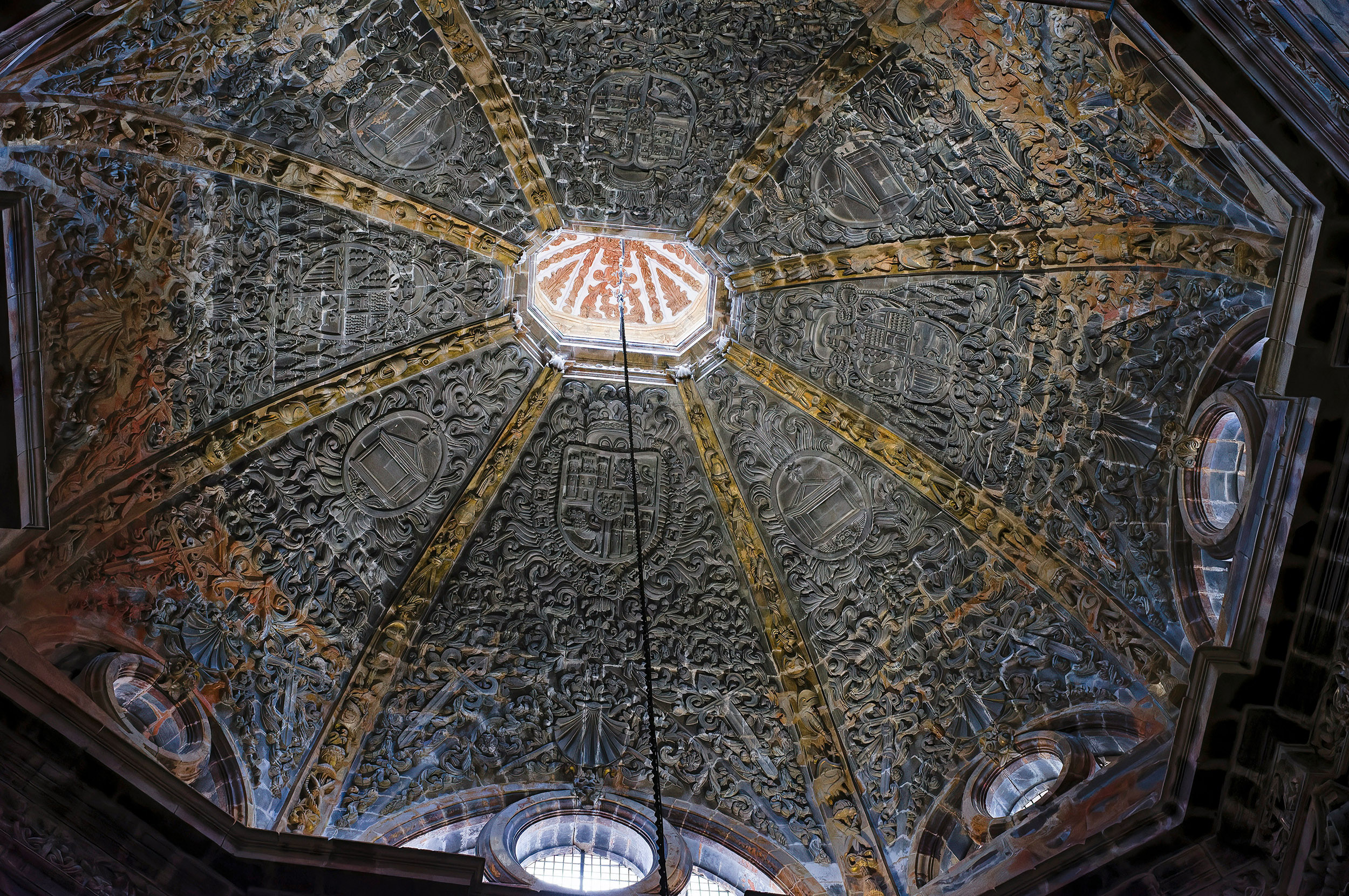
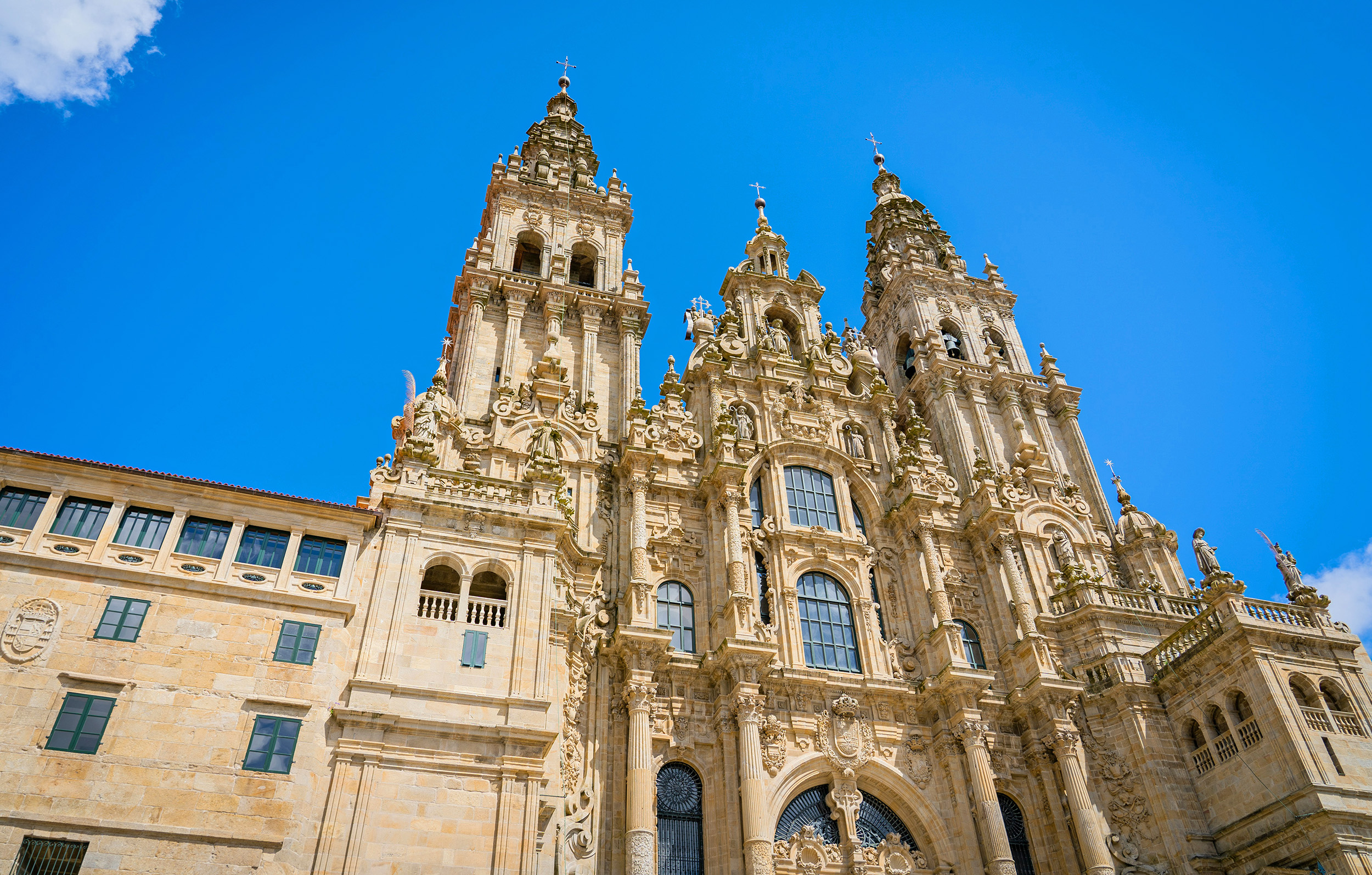
The cathedral’s twin-towered western front, the Obradoiro façade, is a masterpiece of Spanish Baroque, soaring above the vast Praza do Obradoiro where arriving pilgrims gather. Just behind it survives the Pórtico da Gloria, an extraordinary Romanesque sculptured porch carved by Master Mateo around 1188, its more than 200 figures counted among the greatest works of medieval art. Inside, pilgrims traditionally descend to the crypt to visit the silver reliquary that holds the remains of St James, and climb behind the High Altar to embrace his bejewelled statue. The cathedral’s most spectacular sight, however, is the Botafumeiro, a giant censer weighing over 50 kilos that eight red-robed tiraboleiros swing in great arcs across the transept, trailing clouds of incense high into the vaults — a breathtaking ritual performed on major feast days and at certain pilgrim Masses.
How to Get There and Practical Information
Santiago de Compostela is the capital of Galicia, in the far north-west of Spain, and is reached by air (it has its own airport) and by train and bus, including high-speed rail links from Madrid; the cathedral stands at the heart of the old town, a short walk from the station through the historic streets. Most famously, though, pilgrims arrive on foot or by bicycle along the many routes of the Camino de Santiago, entering the city and making their way to the Praza do Obradoiro. Entry to the cathedral for worship and general visits is free, while the cathedral museum, the Pórtico da Gloria and the rooftop tours are ticketed and best booked in advance. There is no guaranteed schedule for the Botafumeiro, so check the cathedral’s calendar if you hope to see it; allow a couple of hours for the church and museum, and leave time to wander the beautiful granite old town around it.
Weather in location: Cathedral of Santiago de Compostela, Spain
- Today 16°…21°
- Wind 15 km/h SW
- Precipitation 0.1 mm