15/03/2026
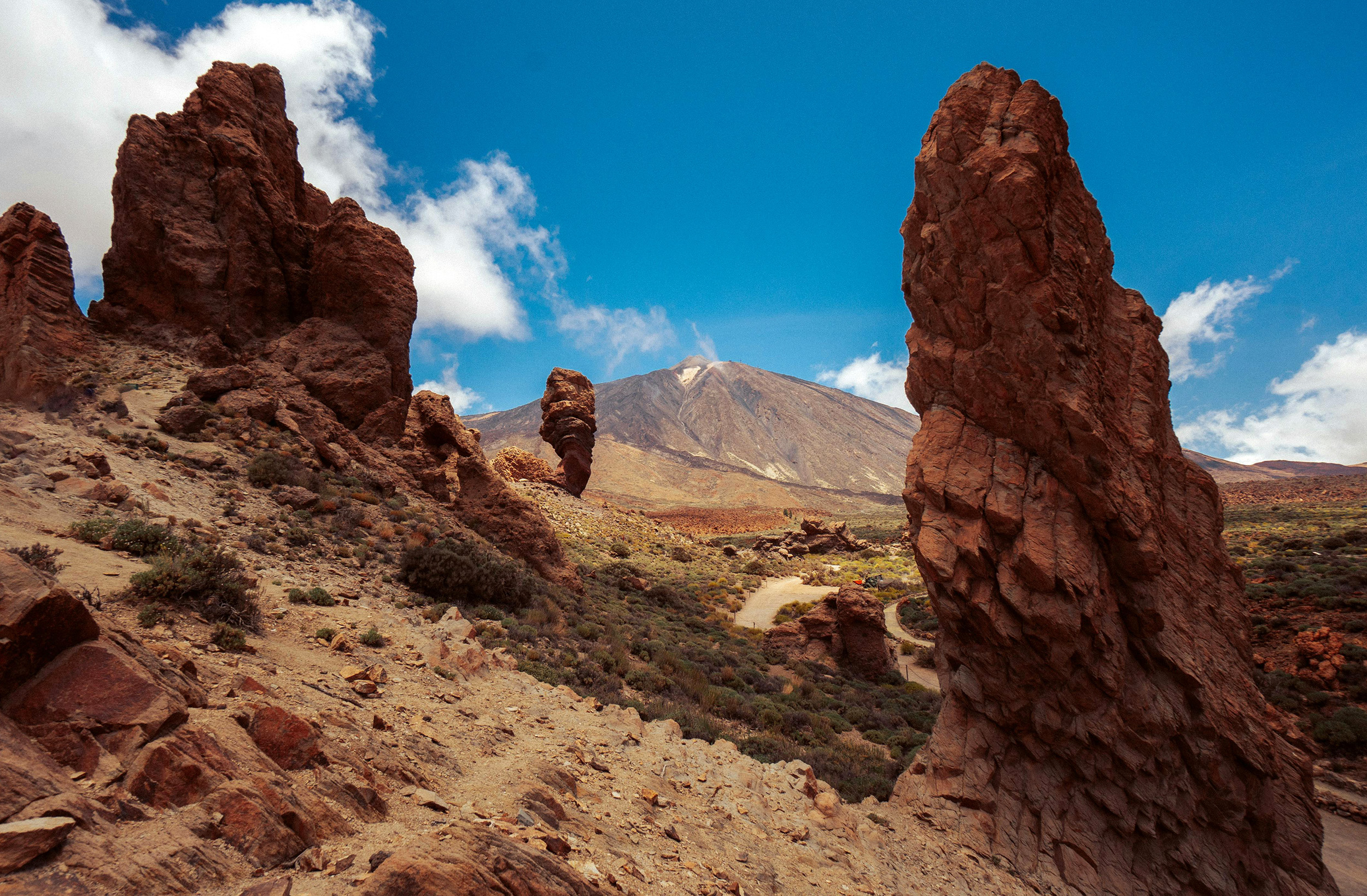
Teide National Park is located in the central part of the island of Tenerife in the Canary Islands, Spain. The park surrounds Mount Teide, a stratovolcano that rises to 3,715 meters above sea level, making it the highest mountain in Spain and the highest peak in the Atlantic Ocean islands. The park covers about 190 km² and occupies the vast volcanic caldera known as Las Cañadas, which was formed by ancient volcanic activity. Due to its unique volcanic landscapes and geological importance, the park was designated a UNESCO World Heritage Site in 2007.
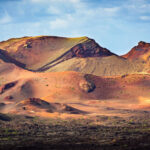
Teide National Park is famous for its dramatic volcanic scenery, including lava fields, craters, and unusual rock formations created by centuries of eruptions. One of the most recognizable landmarks is the group of volcanic rocks called Roques de García, which includes the famous natural monument Roque Cinchado. Visitors can also see colorful mineral deposits, solidified lava flows, and rare high-altitude plant species adapted to the harsh volcanic environment. On clear days the summit area offers panoramic views across Tenerife and sometimes even neighboring Canary Islands.
The park can be reached by car from several parts of Tenerife. From the capital Santa Cruz de Tenerife the drive takes about 1 hour via the TF-24 road, while from the tourist resort Costa Adeje the route usually follows TF-21 or TF-38 and takes around 1–1.5 hours depending on traffic and weather conditions. Public bus services operated by TITSA also connect the park with major towns; for example, bus line 342 runs from Costa Adeje to the park and line 348 operates from Puerto de la Cruz. These buses usually run once per day in each direction, so visitors often plan their trip carefully.
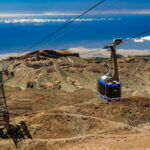
Entrance to Teide National Park itself is free, but access to the summit area requires additional arrangements. Most visitors reach the upper part of the volcano using the Teide Cable Car, which starts at about 2,356 meters above sea level and ascends close to the summit. In 2026 a round-trip ticket for non-residents costs €42 for adults and €21 for children aged 3–13 (Canary Islands residents pay much less). The cable car ride takes about 8 minutes, and from the upper station visitors can explore several short walking trails with viewpoints over the volcanic landscape.
For those who want to reach the very summit of Mount Teide (3,715 m), a special permit is required; it is booked in advance on the Tenerife ON platform, because the number of visitors is limited each day. Since 2026 an environmental fee also applies on the summit trail (Telesforo Bravo, 9:00–17:00): €15 for non-residents, €6 for other Canary Islands residents, free for Tenerife residents and children under 14. The final hiking section from the cable car station to the crater usually takes 30–40 minutes. Overall, a typical visit to the park—driving through the volcanic plateau, stopping at viewpoints, and taking the cable car—can take half a day, while hiking routes and guided tours can easily extend the experience to a full day.


Weather in location: Volcano Teide national Park / Tenerife, Canary Islands, Spain
- Today 2°…7°
- Wind 7 km/h S
- No precipitation now
Average by month
Monthly averages and dry days (no measurable rain) from ERA5, last 10 years.