




10/09/2026
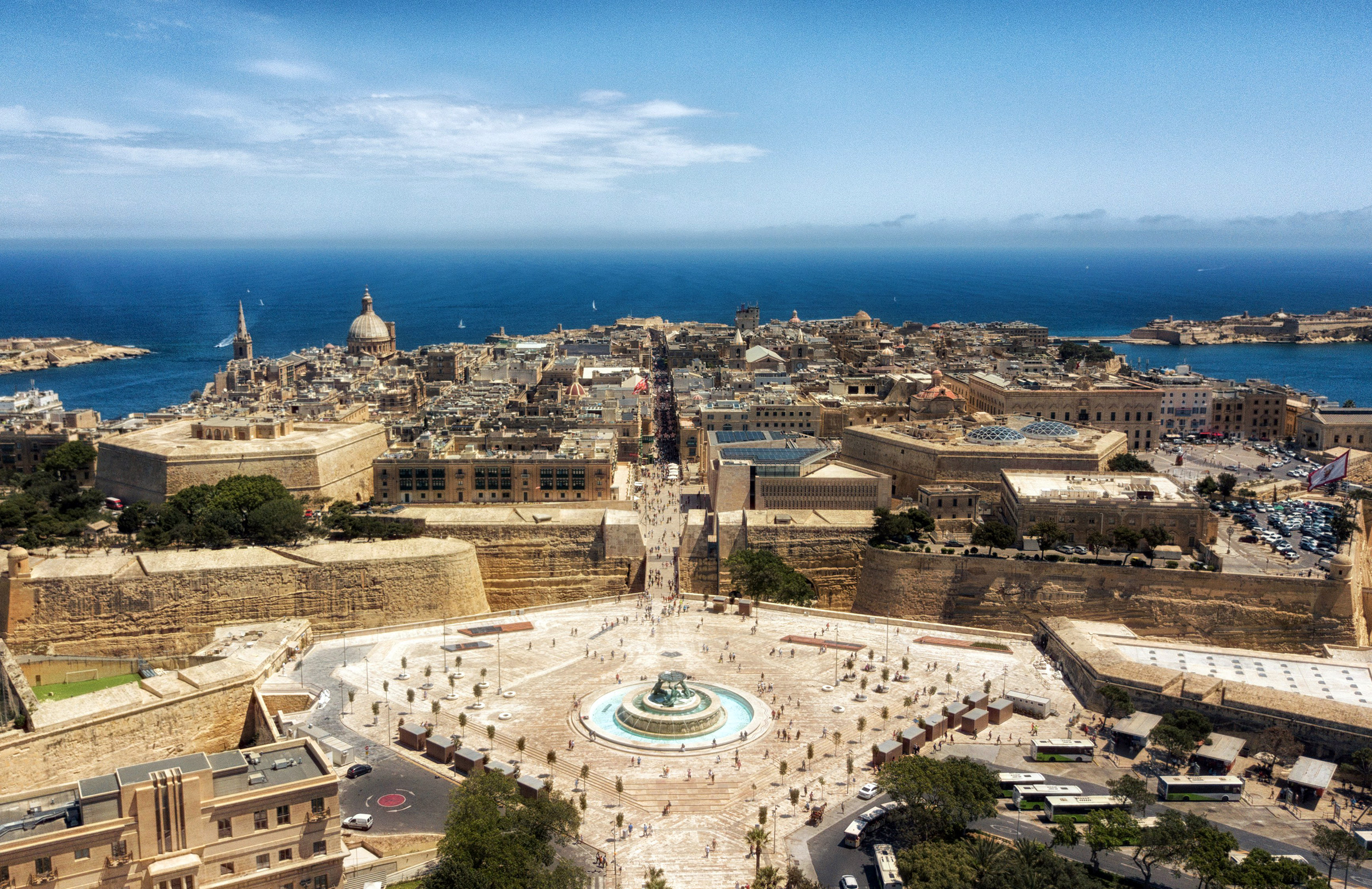
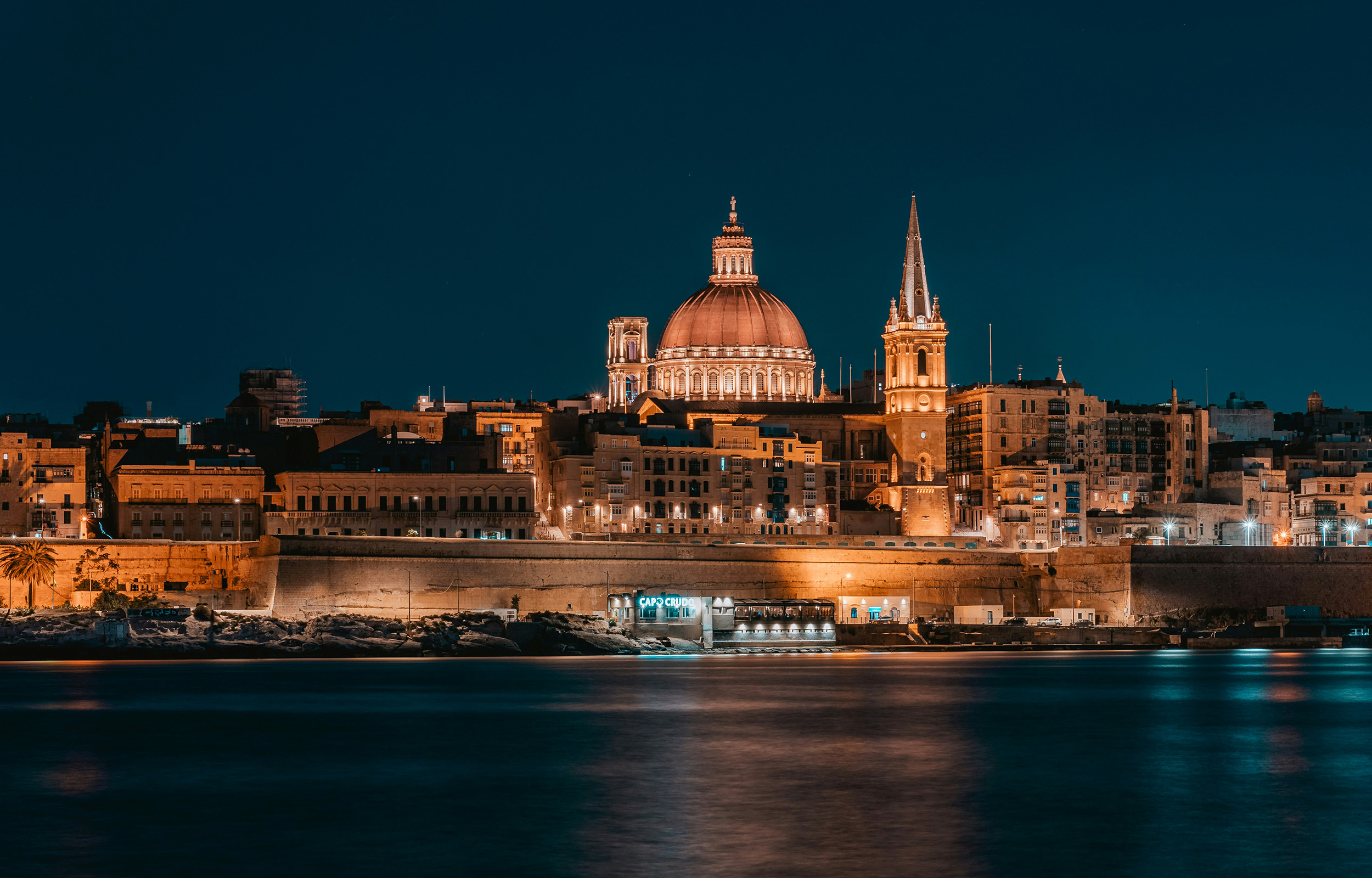
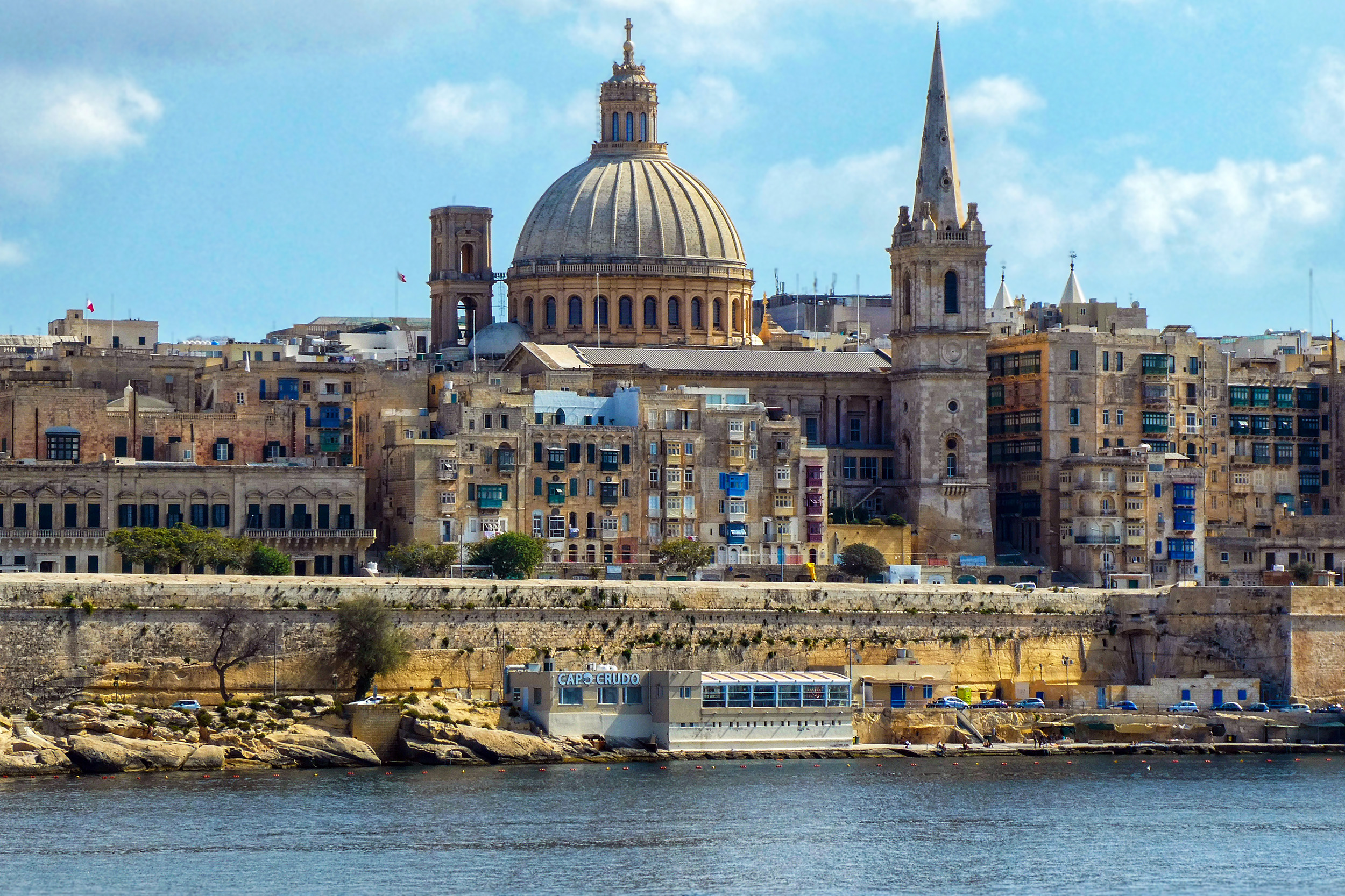
Valletta is the capital of Malta and one of the most remarkable fortified cities in the world — a compact peninsula of golden limestone crammed with palaces, churches and grand streets, all enclosed within massive bastions above two of the finest harbours in the Mediterranean. It was founded in 1566, immediately after the Knights of St John had repelled the Ottomans in the Great Siege of 1565, and named after their Grand Master, Jean Parisot de la Valette. Designed as a single planned city by the leading military engineers of the age, it combines a strict Renaissance grid with superb Baroque architecture and some of the strongest fortifications ever built. With more than 300 monuments packed into just 55 hectares, it is one of the most concentrated historic sites anywhere, and has been a UNESCO World Heritage Site since 1980.
What to See
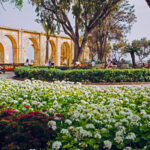
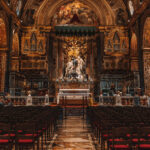
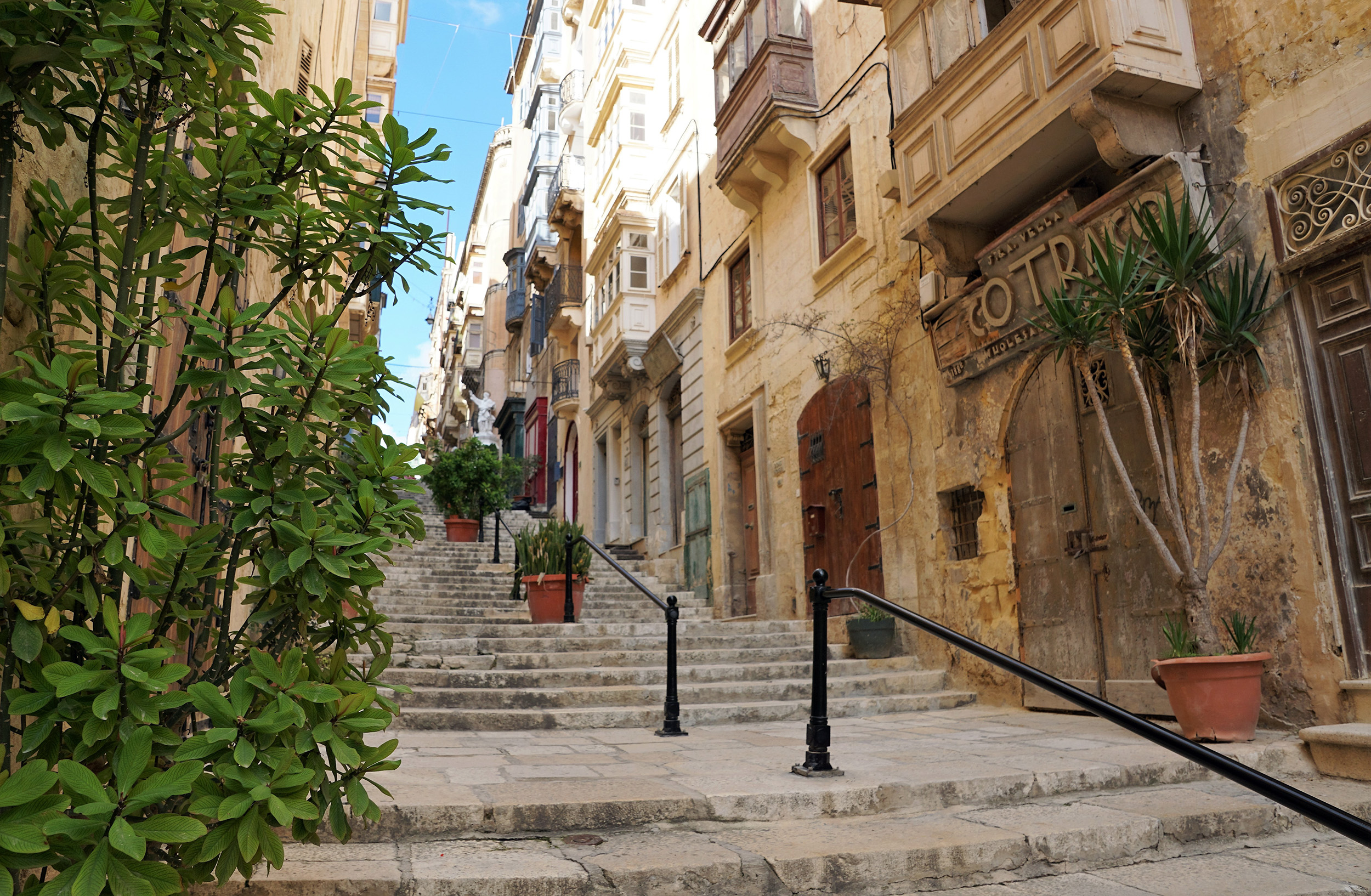
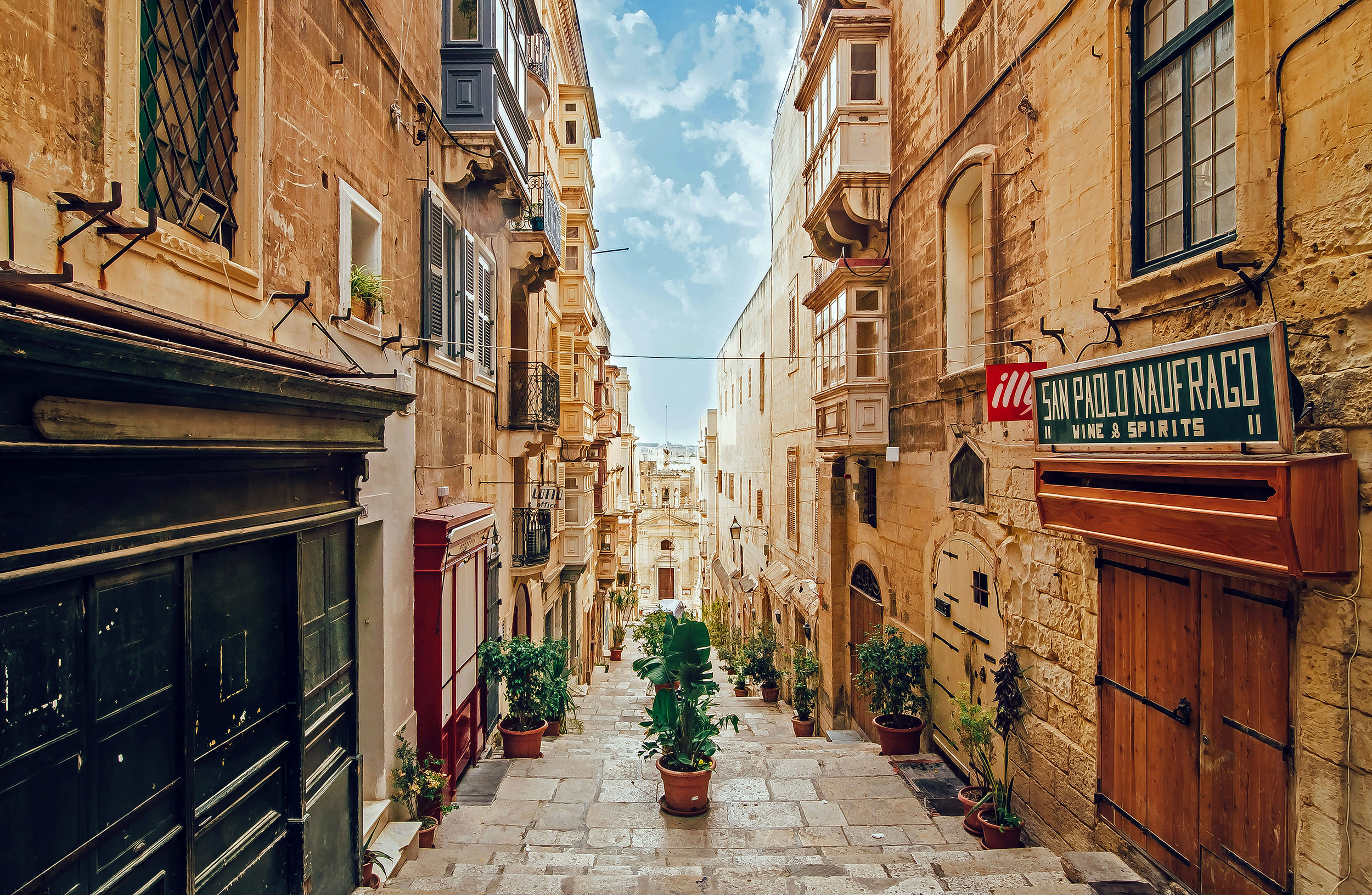
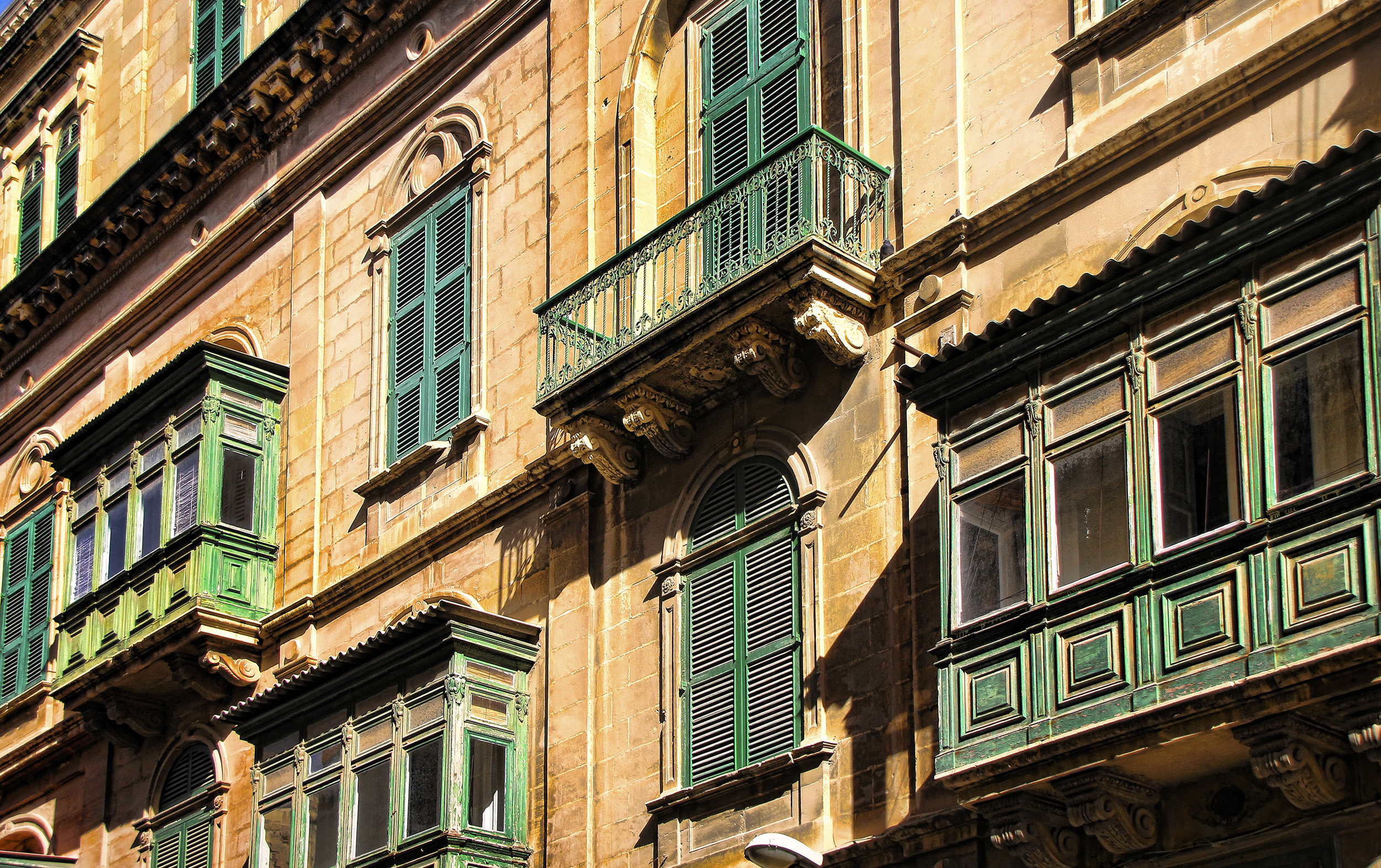
The city’s supreme treasure is St John’s Co-Cathedral, whose plain exterior conceals a dazzling Baroque interior of gilded carving and marble tomb-slabs, home to two masterpieces by Caravaggio, including his monumental “Beheading of St John the Baptist.” Nearby stands the Grand Master’s Palace, once the seat of the Order and now the office of the President, with its state rooms and armoury. The main thoroughfare, Republic Street, runs the length of the city past squares, cafés and the modern Parliament building designed by Renzo Piano at the City Gate. Do not miss the Upper Barrakka Gardens, whose terrace gives a breathtaking view over the Grand Harbour and the Three Cities, with a saluting battery firing its cannon below, and the great bastions and forts — Fort St Elmo among them — that ring the city. Simply walking Valletta’s steep, stepped side streets, lined with traditional enclosed balconies, is a pleasure in itself.
How to Get There and Practical Information
Valletta occupies a peninsula in the middle of Malta’s east coast and is the hub of the island’s transport network, so it is very easy to reach: nearly all bus routes converge on the terminus just outside the City Gate, and there are ferries across the harbours from Sliema and the Three Cities, as well as a historic lift linking the Grand Harbour waterfront with the Upper Barrakka Gardens. The city centre is pedestrian-friendly and largely closed to through traffic, so it is best explored on foot. There is no charge to enter and wander the city, which is free at any hour, while individual sights such as St John’s Co-Cathedral, the Grand Master’s Palace and the museums are ticketed. Allow at least a full day to do it justice, wear comfortable shoes for the hills and steps, and try to catch the sunset over the Grand Harbour from the Barrakka Gardens.
Weather in location: Valletta old city and fortress, Malta
- Today 21°…25°
- Wind 9 km/h N
- Precipitation 0.1 mm