10/07/2026
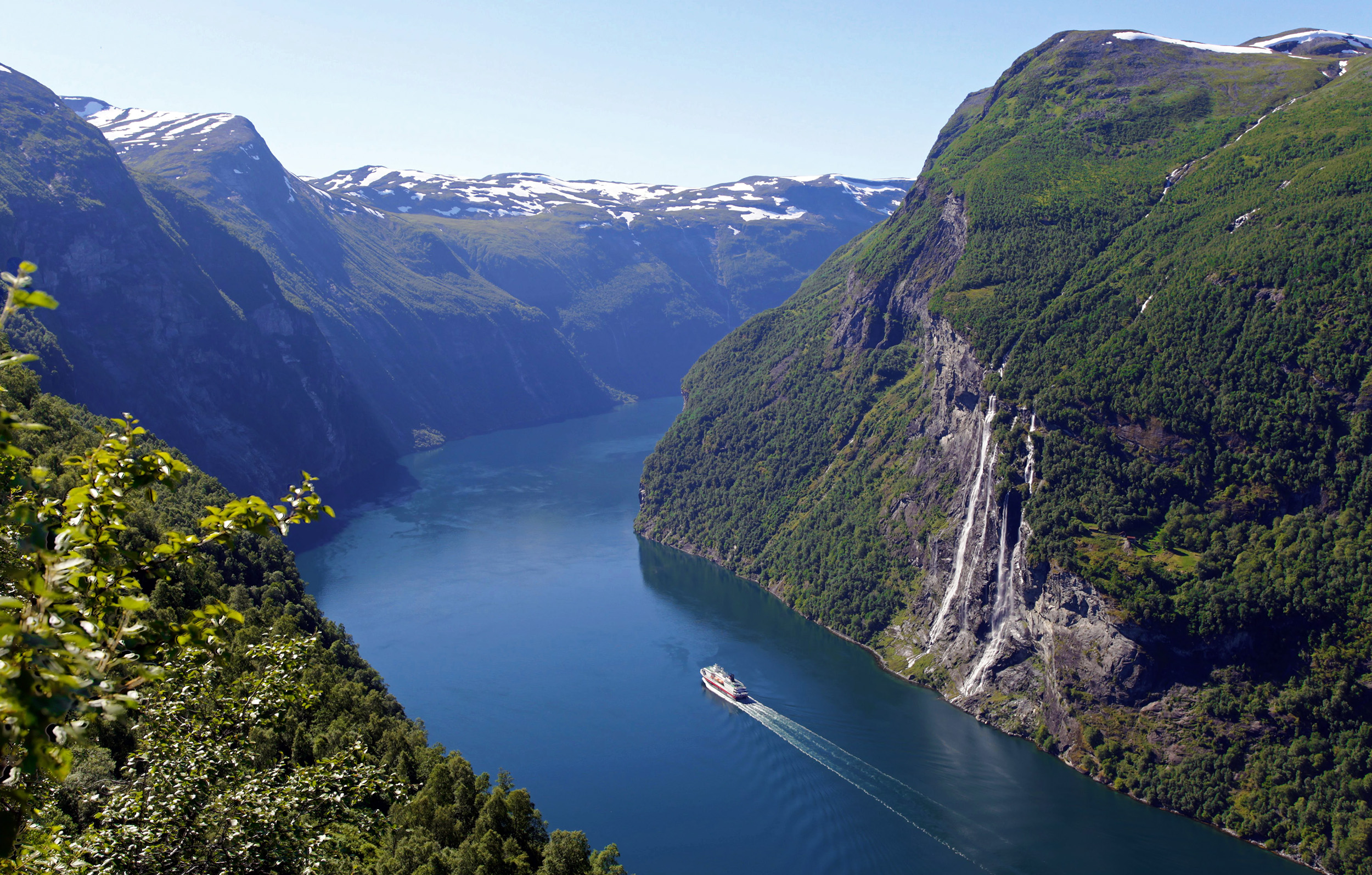
The Geirangerfjord is a 15-kilometre arm of the Storfjord in the Sunnmøre region of Møre og Romsdal county, in western Norway, with the small village of Geiranger at its innermost tip. The most scenic way to experience it is from the water, and the classic route is the roughly one-hour ferry between Geiranger and Hellesylt, which threads through the most dramatic stretch of the fjord. Sightseeing cruises also depart from Geiranger village, lasting from about 75 minutes to two hours and typically costing in the region of $40 to $80. A longer ferry connects Ålesund with Geiranger in around three to four hours, and by car the village is reached over the spectacular Trollstigen mountain road or the hairpin bends of the Ørnesvingen (Eagle Road). Combined train, bus, and cruise packages such as “Geirangerfjord in a Nutshell” can be booked from Oslo, Bergen, or Ålesund.
What Makes the Geirangerfjord Famous
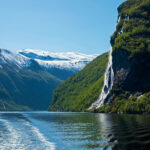
Inscribed on the UNESCO World Heritage List in 2005 alongside the Nærøyfjord as part of the “West Norwegian Fjords,” the Geirangerfjord is widely considered one of the most beautiful fjords in the world. Its characteristic S-shape, sheer cliffs rising more than a thousand metres, and deep emerald waters create constantly changing views. Waterfalls tumble from the heights, the most celebrated being the Seven Sisters, with the Suitor cascading directly opposite and the Bridal Veil nearby, each carrying its own local legend. Abandoned mountain farms such as Skageflå and Knivsflå cling improbably to ledges high above the water, and the fjord is often cited as an inspiration for the landscapes of Disney’s Frozen. It draws around 700,000 visitors a year.
What to See and Practical Information
There is no entry fee to the fjord itself; costs apply only to cruises, kayaking, and other activities. Beyond the boat trips, several viewpoints reward a short trip from the village: Flydalsjuvet, an overhanging ledge about 150 metres above the fjord reached by a 30-minute walk; the Ørnesvingen Eagle Road with its eleven hairpin bends; and Dalsnibba, at 1,476 metres the highest viewpoint accessible by road, complete with a skywalk. The Norwegian Fjord Centre in Geiranger explains how the fjords formed and what their World Heritage status means. The best time to visit is late spring and early summer (roughly May and June), when snowmelt makes the waterfalls at their most powerful; the main season runs from May to October. Note that the World Heritage fjords are subject to new environmental regulations, with tour operators increasingly switching to quiet electric and hybrid vessels to protect the area.


Weather in location: Geirangerfjord, Norway
- Today 7°…14°
- Wind 2 km/h E
- No precipitation now
Average by month
Monthly averages and dry days (no measurable rain) from ERA5, last 10 years.