27/01/2026
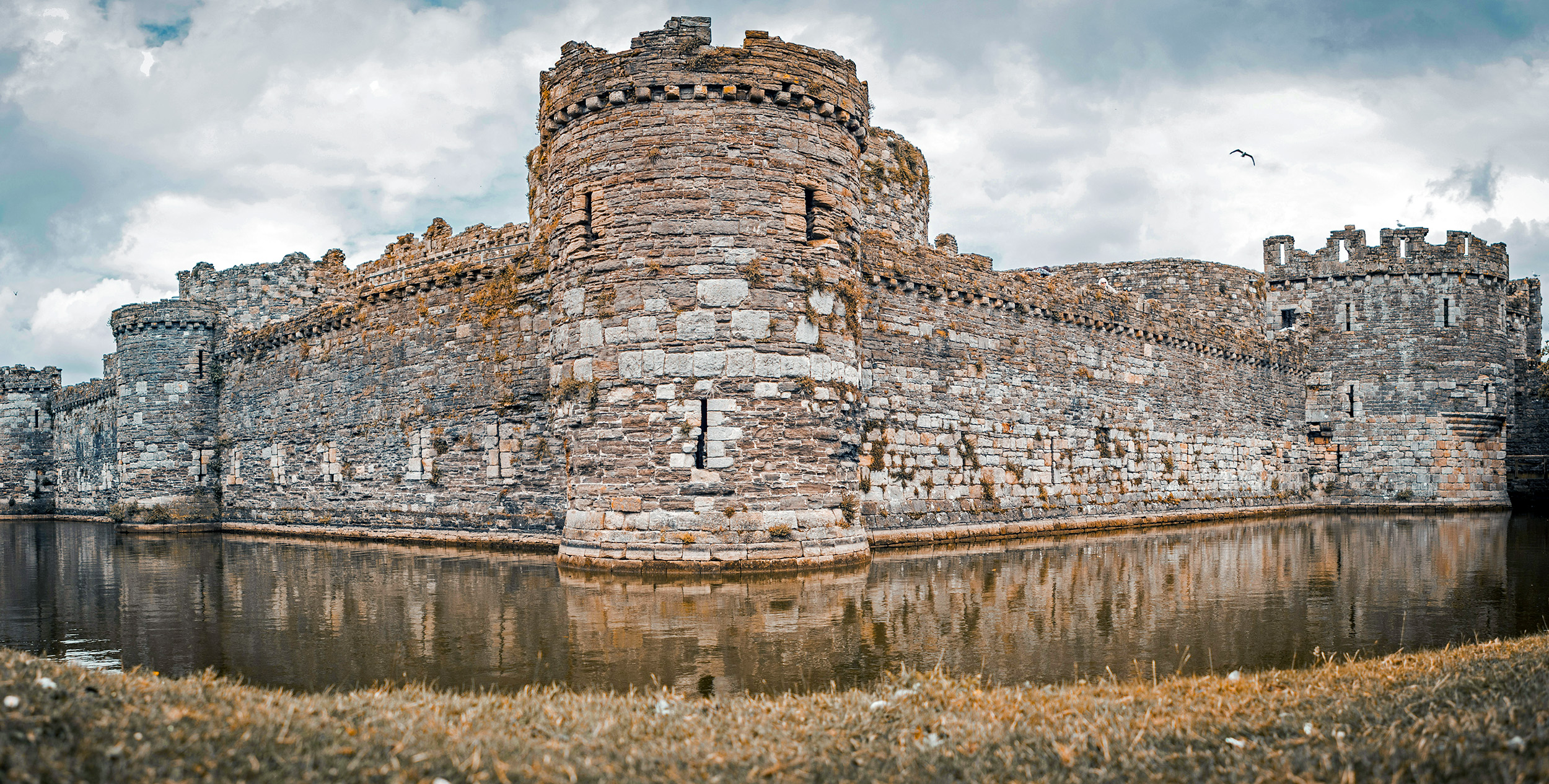
Beaumaris Castle is located in the town of Beaumaris on the island of Anglesey (Ynys Môn) in north Wales. It is one of the finest examples of a medieval concentric castle and forms part of the UNESCO World Heritage Site known as the Castles and Town Walls of King Edward in Gwynedd. Built in the late 13th century by order of King Edward I, the castle was designed as a powerful symbol of English rule. Although never fully completed, its symmetrical layout, wide moat, and massive walls make it one of the most impressive castles in Britain.
Work began in 1295 under the master mason James of St George, but money ran short and trouble in Scotland drew resources away, so building had stopped by the 1320s. The gatehouses and the great towers of the inner ward never reached their planned height, which gives the castle its low, squat look today.
Entrance tickets.
The castle is run by Cadw, the Welsh heritage service. From 1 September 2026 an adult ticket costs £10.40, juniors aged 5–17 and students pay £7.20, seniors over 65 pay £9.30, and a family ticket for two adults and up to three children costs £33.30. Children under 5 enter free. The ticket gives access to the castle grounds, walls, towers and inner ward.
Opening hours.
Open daily: 9:30–17:00 from March to June and in September and October, 9:30–18:00 in July and August, and 10:00–16:00 from November to February. Last admission is 30 minutes before closing; the castle is closed on 24–26 December and 1 January.
How to get there by public transport.
The nearest major train station is Bangor, located on the mainland of North Wales and served by direct trains from cities such as Chester, Manchester, and London. From Bangor, regular local buses run across the Menai Strait to Beaumaris, with the journey taking about 30 minutes. The bus stops close to the town center, and the castle is just a short walk from the stop.


Weather in location: Beaumaris Castle, Wales, United Kingdom
- Today 8°…12°
- Wind 8 km/h E
- No precipitation now
Average by month
Monthly averages and dry days (no measurable rain) from ERA5, last 10 years.