







Croatia
Top tourist attractions and sights in Croatia combine a stunning Adriatic coastline, historic walled cities, and beautiful national parks. Highlights include the medieval old town of Dubrovnik, Roman Split with Diocletian's Palace, the capital Zagreb, and the cascading lakes and waterfalls of Plitvice Lakes National Park, a UNESCO World Heritage site.
General information
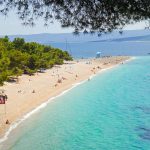
Croatia is a slender, sun-drenched country curving along the Adriatic coast, where crystal-clear seas lap against more than a thousand islands and honey-stoned medieval towns. From the famous walls of Dubrovnik and the Roman heart of Split to the turquoise lakes of the interior, it packs history, nature and beach life into an easy-to-travel space. A member of the EU that adopted the euro in 2023 and joined the Schengen area, Croatia has become one of the Mediterranean's most popular destinations. Croatian is the language, English is widely spoken in tourist areas, and the coastline, cuisine and climate are the big draws.
Transport and how to get there
Croatia has several international airports — Zagreb (ZAG) inland, plus the coastal hubs of Split (SPU), Dubrovnik (DBV), Zadar and Pula — busiest in summer. Along the coast, Jadrolinija and catamaran ferries connect the mainland with the islands, and a good bus network links the towns (coastal rail is limited). A car is useful for exploring Istria and the national parks, while the walled old towns are pedestrian-only and best seen on foot.
Prices
Croatia is moderately priced, though the coast in July and August — especially Dubrovnik — gets expensive. Expect roughly 80-170 EUR per night for a mid-range hotel in peak season (much less in spring or autumn), with hostels and private rooms from about 25 EUR. A casual meal runs around 14-26 EUR, a coffee 2-3 EUR and a local beer 3-4 EUR. Ferries and national parks (Plitvice can be 30-40 EUR in summer) add to the budget. Prices are approximate and vary sharply by season.
Main attractions
Dubrovnik's marble-paved old town, ringed by mighty sea walls (and famous as a Game of Thrones location), is the country's icon. Split is built inside the living ruins of Diocletian's Roman palace, while the boat-hopping islands of Hvar and Korcula offer beaches and nightlife. Inland, the Plitvice Lakes and Krka waterfalls dazzle with tiered turquoise pools, Zadar greets the sea with its musical Sea Organ, and pretty Rovinj crowns the Istrian peninsula. Sailing the Adriatic ties it all together in one of Europe's great summer playgrounds.