17/07/2019
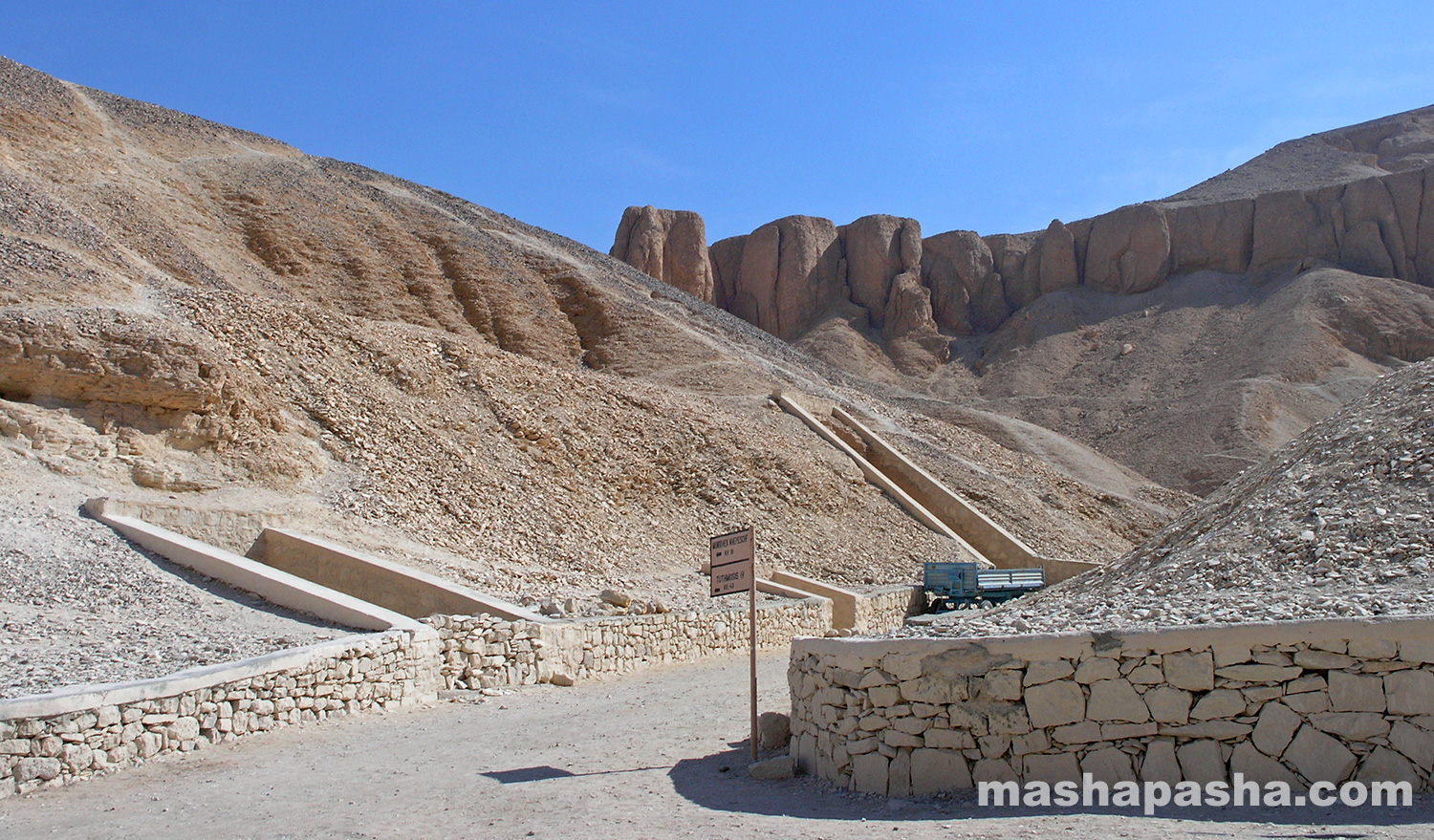
The Valley of the Kings is one of the most famous necropolises of the ancient world, serving as the burial site of the pharaohs of the New Kingdom period (16th–11th centuries BC). Located near the modern city of Luxor, in a desert gorge west of the Nile, it was chosen as a hidden royal cemetery to protect tombs from looting. Despite these efforts, most tombs were plundered in antiquity, with the exception of the spectacularly preserved tomb of Tutankhamun, discovered in 1922.
Location
The Valley is part of the Theban Necropolis, a UNESCO World Heritage Site. Visitors can reach it:
- By joining an organized bus tour from tourist centers such as Hurghada or Luxor.
- Independently, by purchasing an entrance ticket on-site (about 750 Egyptian pounds for foreign adults in 2026).
In total, more than 60 tombs have been identified so far, ranging from that of Thutmose I to Ramses XI. Archaeologists believe more may remain hidden beneath the desert rock.
Excursions
A trip to the Valley of the Kings is often included in tours to Luxor, which may also cover nearby attractions. During the excursion:
- Tourists transfer from buses to small electric shuttles, which take them directly to the tomb entrances.
- The desert climate can be extreme, with summer temperatures reaching 50°C, so hats and water are essential.
- The standard ticket covers three tombs, while entry to famous sites such as Tutankhamun’s tomb requires an additional fee.
Visitors should be aware that some low-cost tours substitute the Valley of the Queens, which offers simpler tombs with fewer decorations.
Tomb Interiors
The tombs are carved deep into the rock and consist of:
- A sloping or stepped corridor.
- Chambers leading to the burial hall.
The walls and ceilings are decorated with brilliantly preserved paintings and hieroglyphs, often protected by glass. Photos with a mobile phone (without flash) are allowed in most tombs; using a camera requires a separate photo ticket.
Most tombs today are empty—the treasures and mummies have been moved to museums. Only Tutankhamun’s tomb still contains the pharaoh’s sarcophagus and mummy.
Tomb of Tutankhamun
Discovered by Howard Carter in 1922, Tutankhamun’s tomb is the Valley’s most famous find. Although small compared to others, it astonished the world with its intact treasures, including the golden death mask, now displayed at the Grand Egyptian Museum near the Giza pyramids.
- Entrance requires a separate ticket (about 700 Egyptian pounds in 2026).
- The burial chamber itself is modest, and many visitors find it less impressive than expected.
- To reduce strain on the original, an exact replica of Tutankhamun’s tomb was built nearby in 2014 for tourist visits.
Today, the Valley of the Kings remains not only a key archaeological site but also one of Egypt’s most visited attractions, offering a rare glimpse into the grandeur and rituals of the pharaohs’ afterlife.


Weather in location: Valley of the Kings tombs at Luxor, Egypt
Average by month
Monthly averages and dry days (no measurable rain) from ERA5, last 10 years.