







Italy
Top tourist attractions and sights in Italy combine ancient ruins, Renaissance art, and beautiful landscapes. Rome offers the Colosseum and Vatican City, Florence is the cradle of the Renaissance, Venice enchants with its canals, and regions such as Tuscany, Sicily and the Amalfi Coast add scenery, history, and world-famous cuisine.
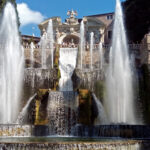 Rome / Lazio13 places
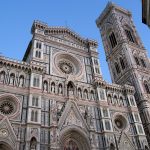 Florence10 places
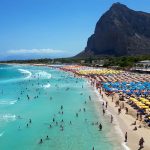 Sicily6 places
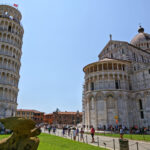 Tuscany5 places
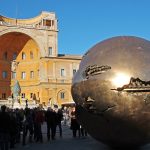 Vatican5 places
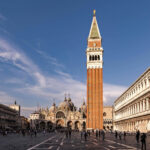 Venice5 places
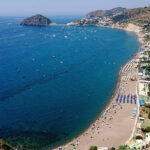 Campania4 places
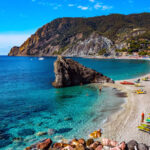 Liguria4 places
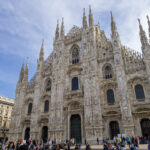 Milan / Lombardy4 places
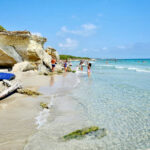 Apulia3 places
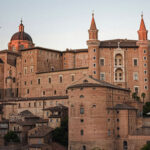 Marche3 places
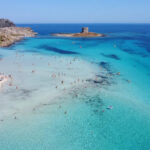 Sardinia3 places
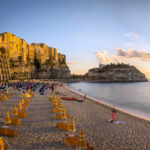 Calabria2 places
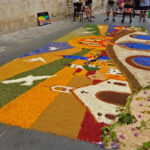 Umbria2 places
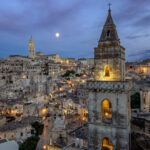 Basilicata1 place
 Emilia-Romagna1 place
 Piedmont1 place
 Ravenna1 place
 Udine1 place
 Verona1 place
General information
Italy is a Mediterranean country shaped like a boot, the cradle of the Roman Empire and the Renaissance and home to more UNESCO World Heritage Sites than any other nation. From the Alps and the lakes of the north to the sun-baked south and the islands of Sicily and Sardinia, each region has its own dialect, cuisine and character. Rome is the capital, but the appeal is spread across dozens of art cities, coastlines and hill towns. Italian is the language, English is common in tourist areas, and the country is beloved worldwide for its food, art, history and unmistakable way of life.
Transport and how to get there
The main international airports are Rome Fiumicino (FCO) and Milan Malpensa (MXP), with major hubs also at Venice, Naples, Bologna, Bergamo and Pisa. Getting around is easy by rail: high-speed trains (Trenitalia's Frecce and the private Italo) whisk you between Rome, Florence, Bologna, Milan, Venice and Naples in a couple of hours, while regional trains reach smaller towns. A car helps for the countryside — Tuscany, the Amalfi Coast — but is a hindrance in city centres, many of which restrict traffic.
Prices
Italy is moderately priced, with the north (Milan, Venice) dearer than the south. Expect roughly 80-160 EUR per night for a mid-range hotel, more in Venice or central Rome, with hostels from about 25 EUR. A casual trattoria meal runs around 15-25 EUR, a coffee at the bar about 1.50 EUR and a glass of house wine 4-6 EUR. Trains are good value (many intercity legs 20-40 EUR) and major sites like the Colosseum or the Uffizi cost around 15-25 EUR. Prices are approximate and vary by city and season.
Main attractions
Rome overflows with the Colosseum, the Roman Forum, the Vatican Museums and the Trevi Fountain; Florence is the Renaissance in stone, with the Duomo, the Uffizi and Michelangelo's David. Venice enchants with its canals and St Mark's Square, while Milan pairs its pinnacled Duomo with fashion and design. Beyond the cities lie the pastel villages of the Cinque Terre, the dramatic Amalfi Coast, the vineyards and hill towns of Tuscany, the ruins of Pompeii beneath Vesuvius, and the ancient Greek temples of Sicily — a lifetime of travel in a single country.