10/02/2026
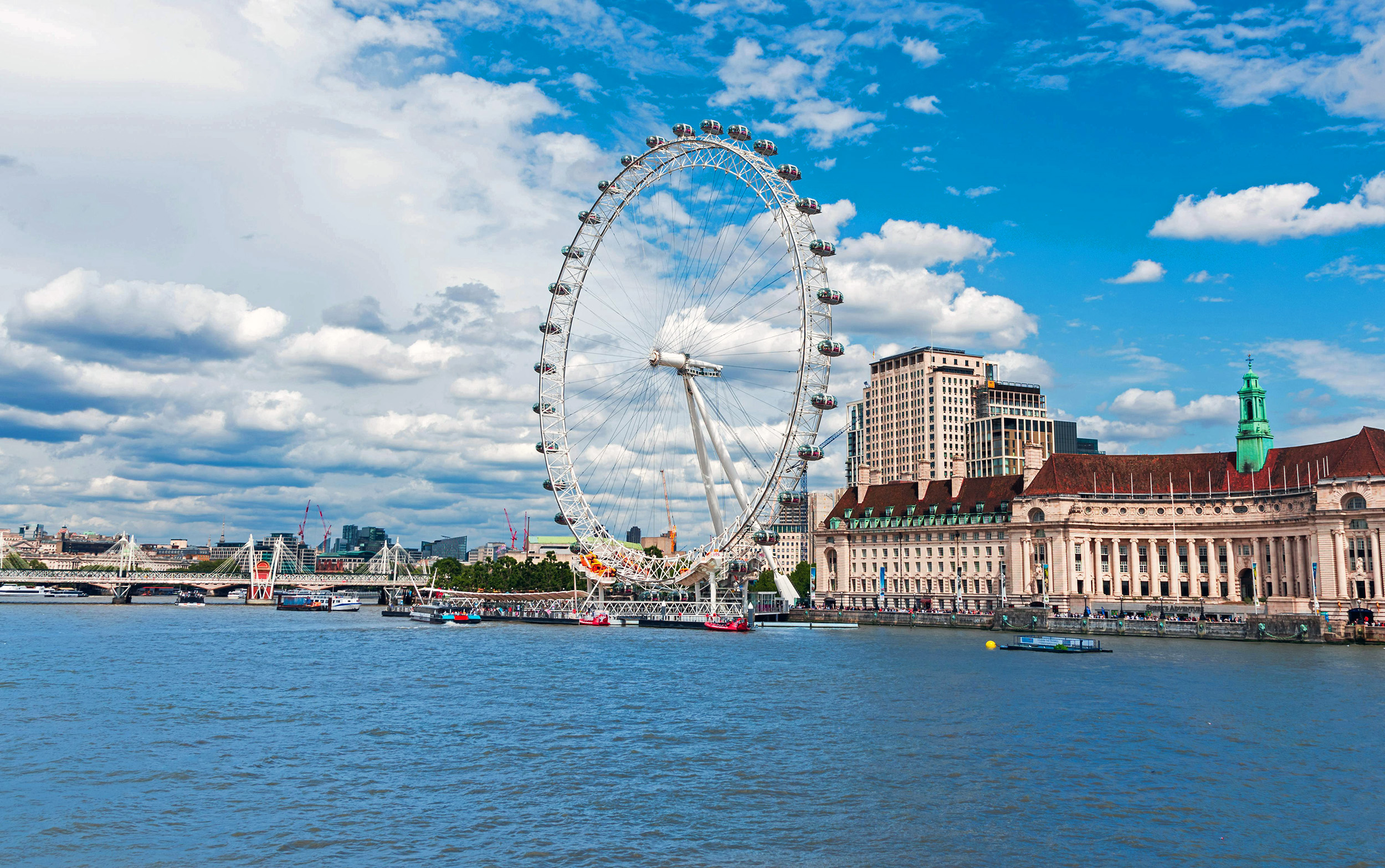
The London Eye is one of the most recognizable modern landmarks in the United Kingdom and a defining feature of London’s skyline. Since its opening in 2000, this giant observation wheel has become a major tourist attraction, offering panoramic views over the city. The London Eye is the world’s largest cantilevered observation wheel: it is 135 meters high and carries 32 glass capsules.
Location
The London Eye is located in central London, on the South Bank of the River Thames. It stands opposite the Palace of Westminster and Big Ben, making it part of one of the most photographed areas of the city. Address: Riverside Building, County Hall, London SE1 7PB, United Kingdom
How to Get There
The London Eye is easily accessible by public transport:
- Underground (Tube): Waterloo (Jubilee, Northern, Bakerloo, and Waterloo & City lines) or Westminster station
- Train: London Waterloo Station is a short walk away
- River Boat: Thames river services stop at London Eye Pier
Walking along the South Bank is one of the most popular ways to reach the attraction.
What You Can See
A ride on the London Eye offers uninterrupted views from enclosed glass capsules:
- Panoramic city views – extending up to 40 km on clear days
- The River Thames – winding through the heart of London
- Major landmarks – including Buckingham Palace, St Paul’s Cathedral, and Tower Bridge
- Modern and historic districts – from the City of London to Canary Wharf
Each rotation lasts about 30 minutes, allowing plenty of time to enjoy the scenery and take photographs.
Ticket Prices
Prices change with the date and demand, and booking online in advance is cheaper than buying at the gate:
- Adults: online from £29
- Children (3–15): slightly cheaper than adults
- Under 3: free
The wheel usually turns every day from about 11:00 to 18:00, with longer hours in busy seasons, and closes for around two weeks in January for annual maintenance.


Weather in location: London Eye, England
- Today 8°…14°
- Wind 15 km/h N
- No precipitation now
Average by month
Monthly averages and dry days (no measurable rain) from ERA5, last 10 years.