





12/09/2026
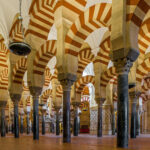
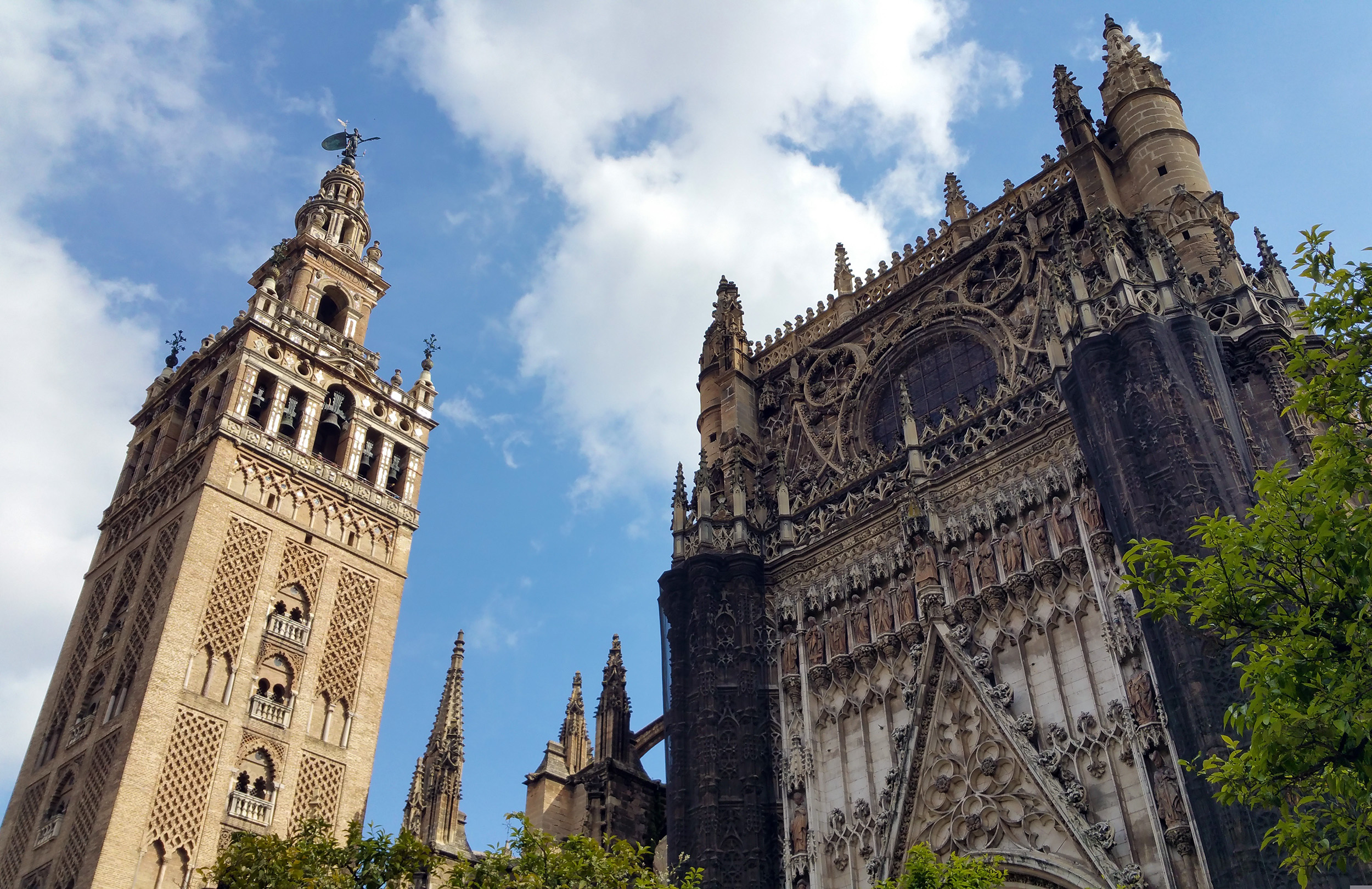
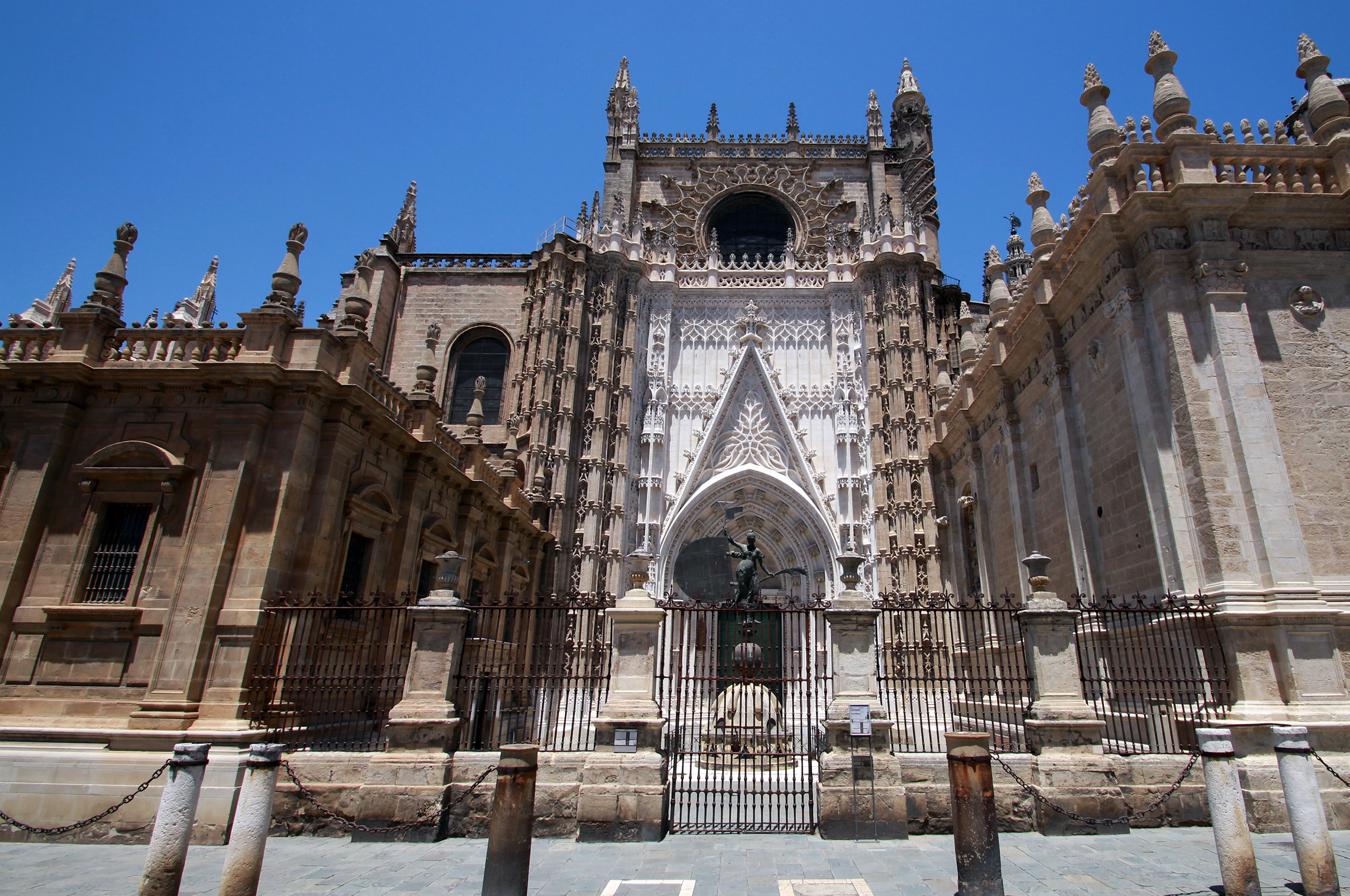
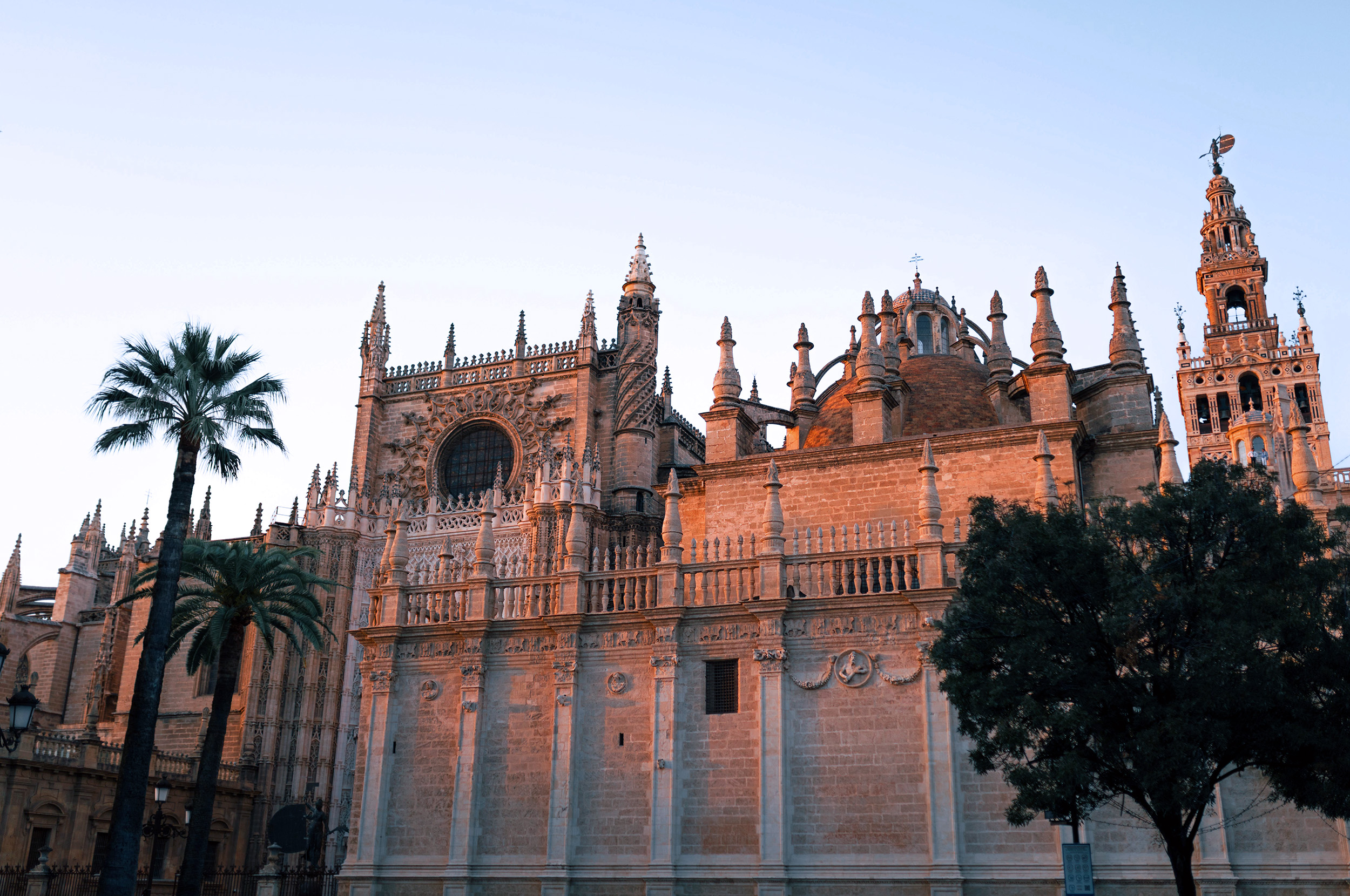
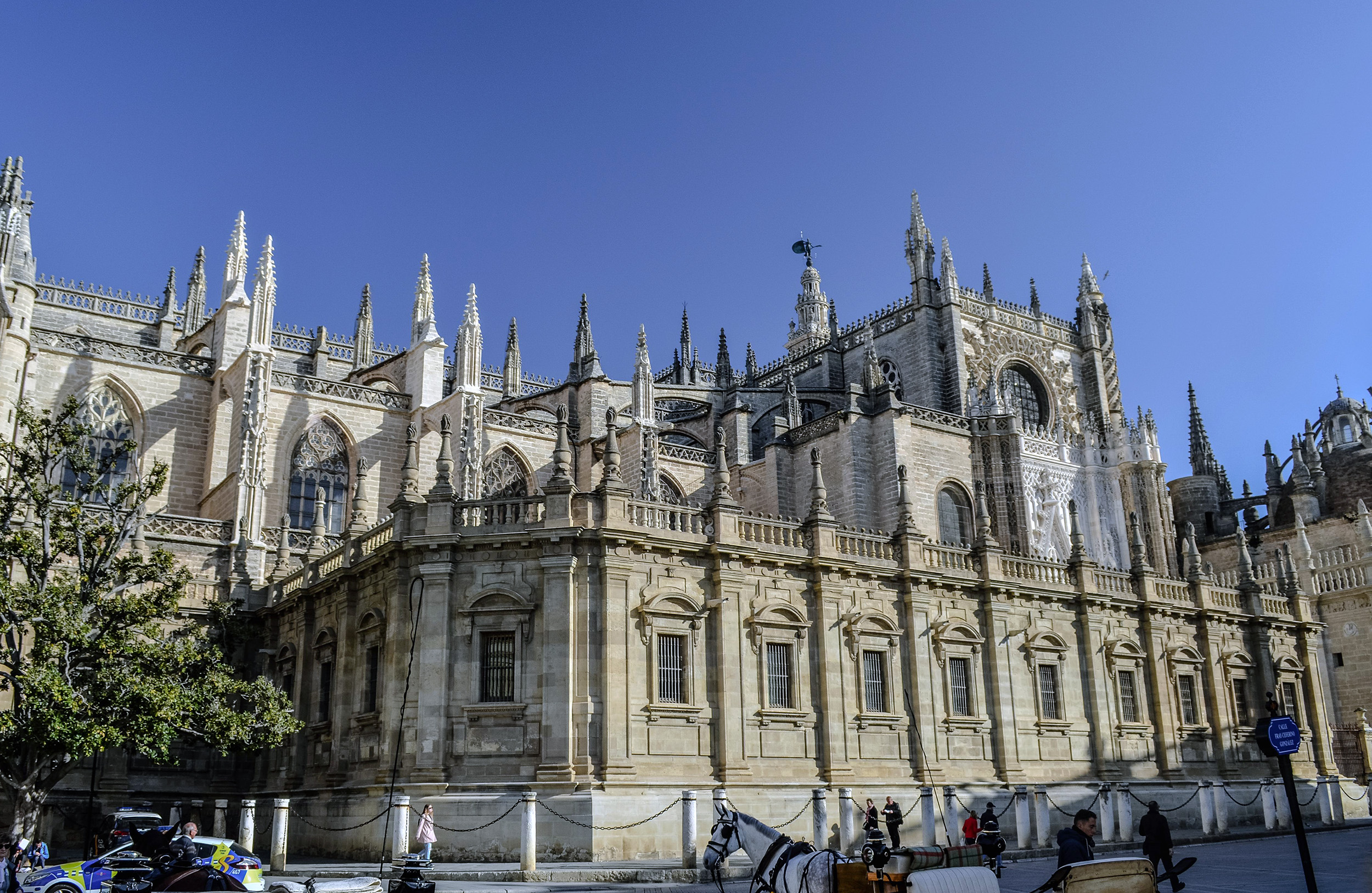
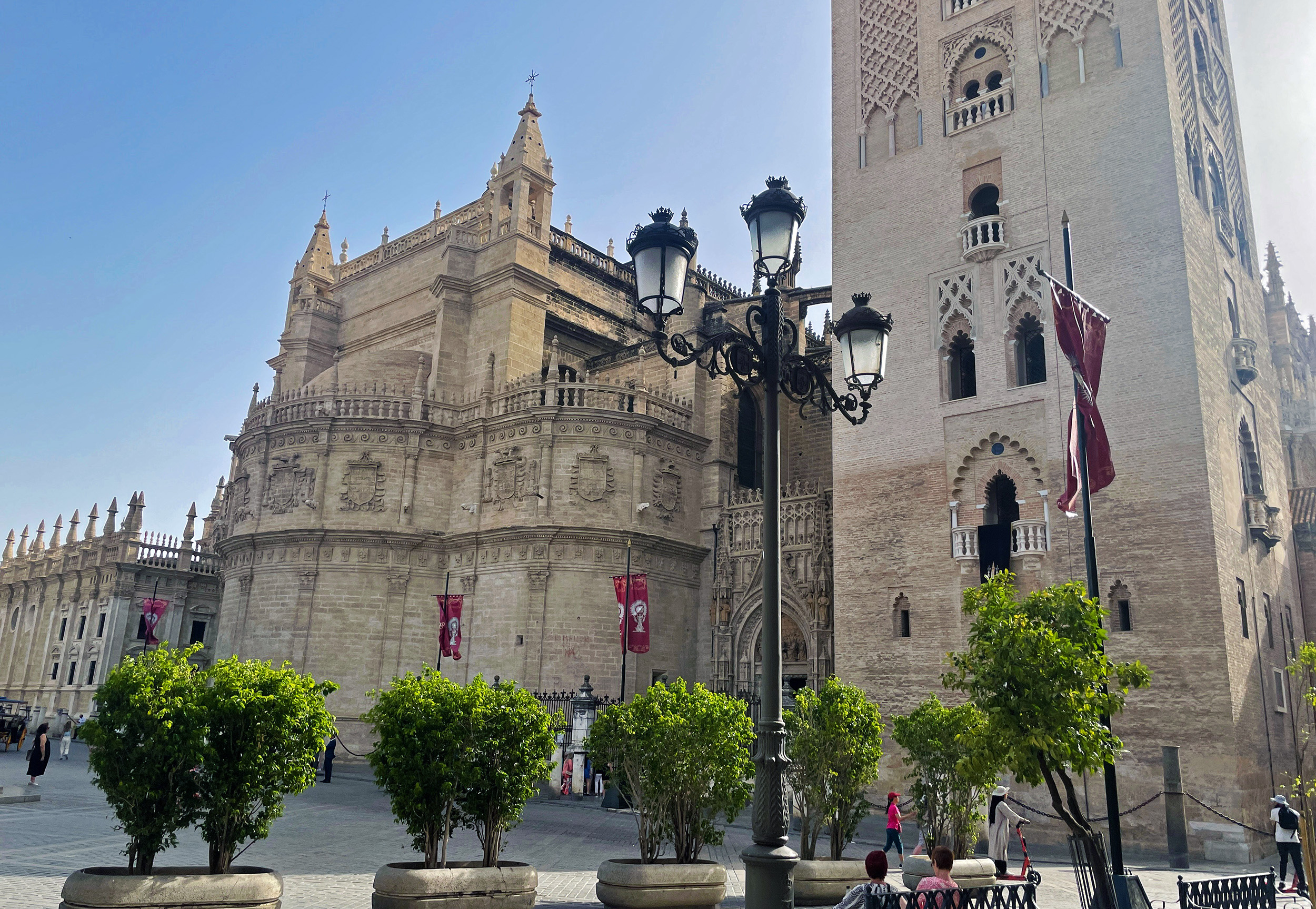
Seville Cathedral — the Cathedral of Saint Mary of the See — is the largest Gothic cathedral in the world and one of the greatest churches anywhere, dominating the old town of the Andalusian capital. It was built in the 15th and early 16th centuries on the site of the city’s great Almohad mosque, which the Christian conquerors demolished after the reconquest of Seville, reputedly declaring that they would raise a church so vast that those who saw it would think them mad. The result covers more than 23,000 square metres, with a soaring five-aisled nave, dozens of chapels and a spectacular treasury of art. Together with the neighbouring Alcázar and the Archivo de Indias, it was inscribed on the UNESCO World Heritage List in 1987.
What to See
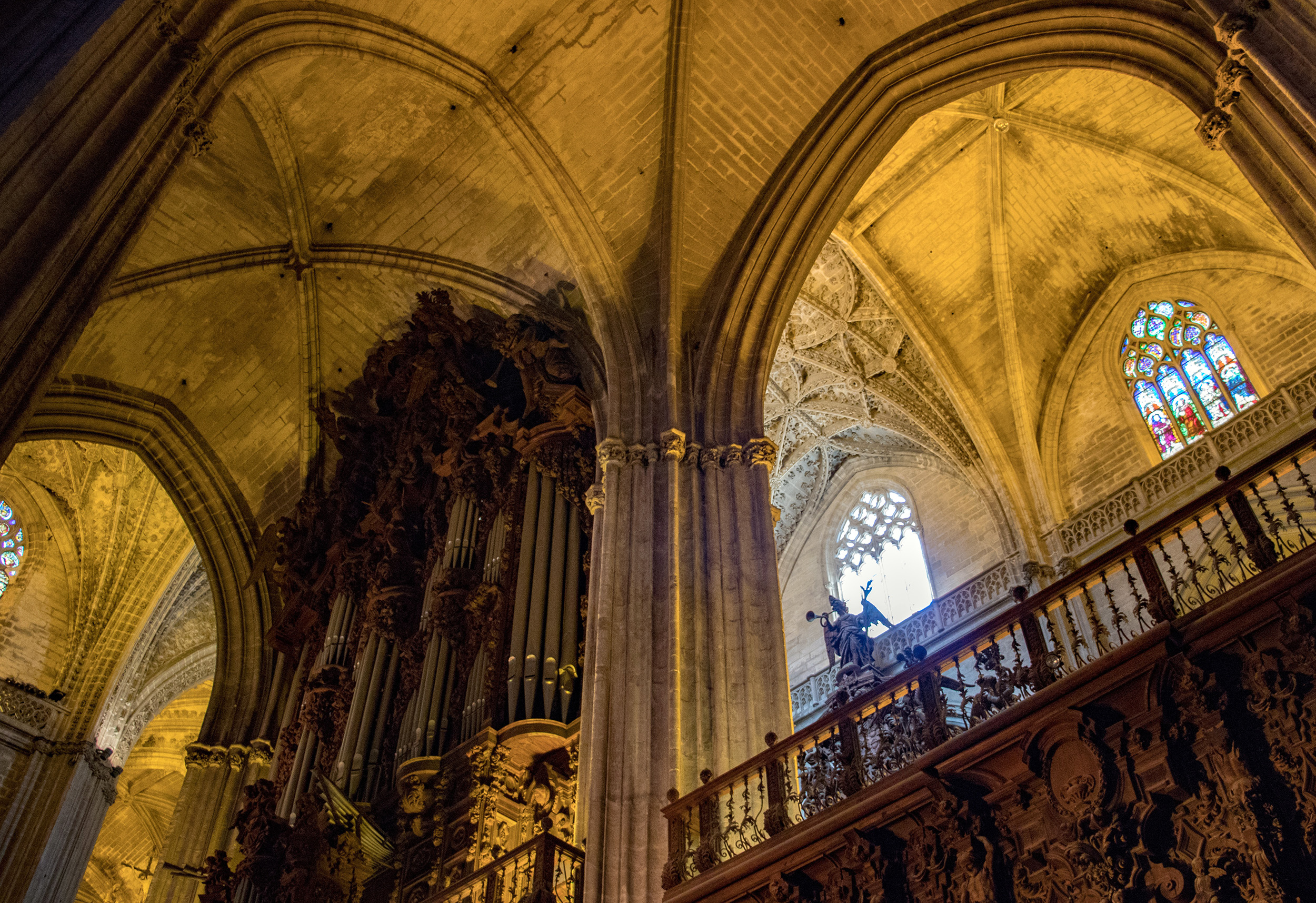
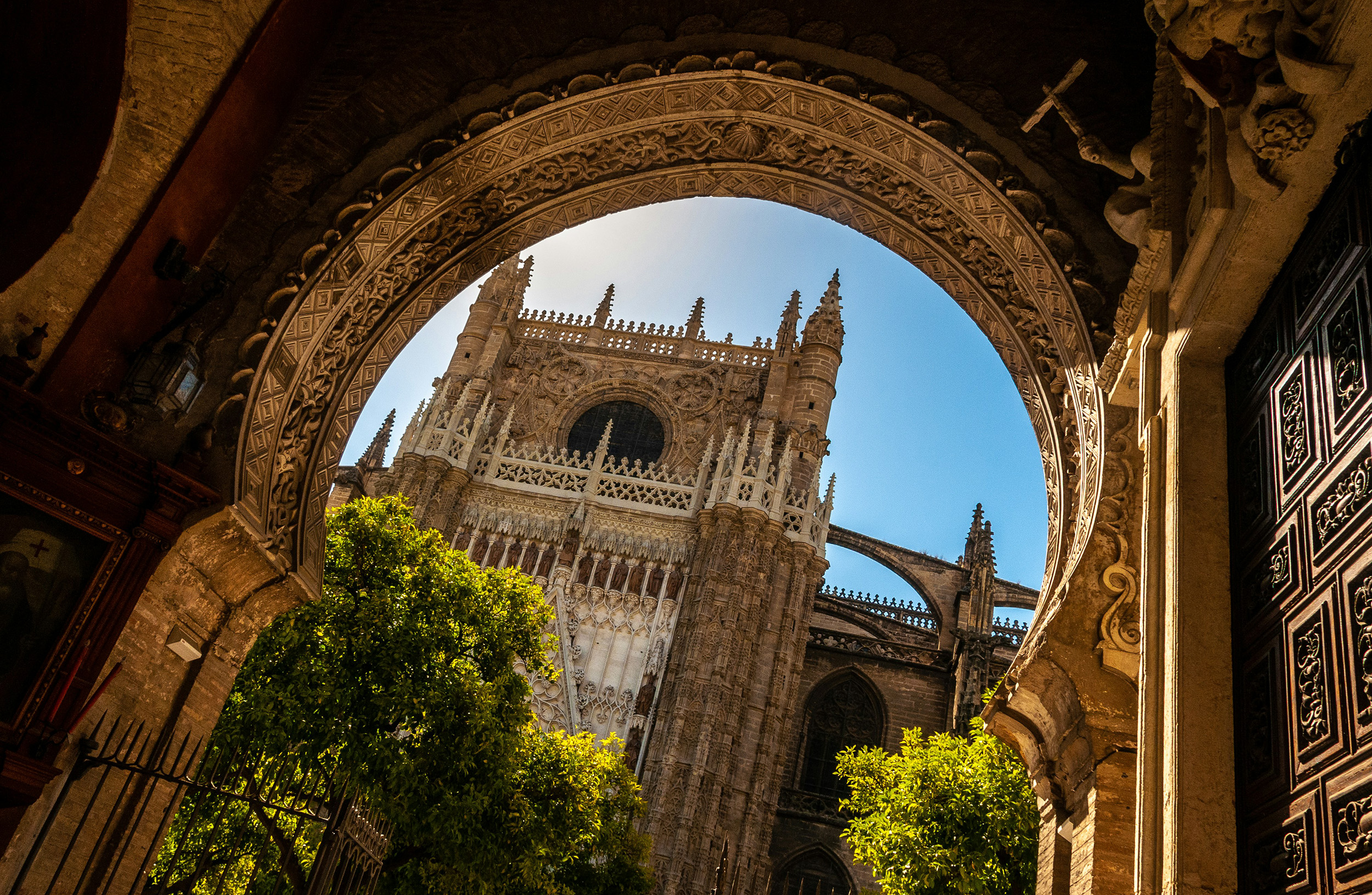
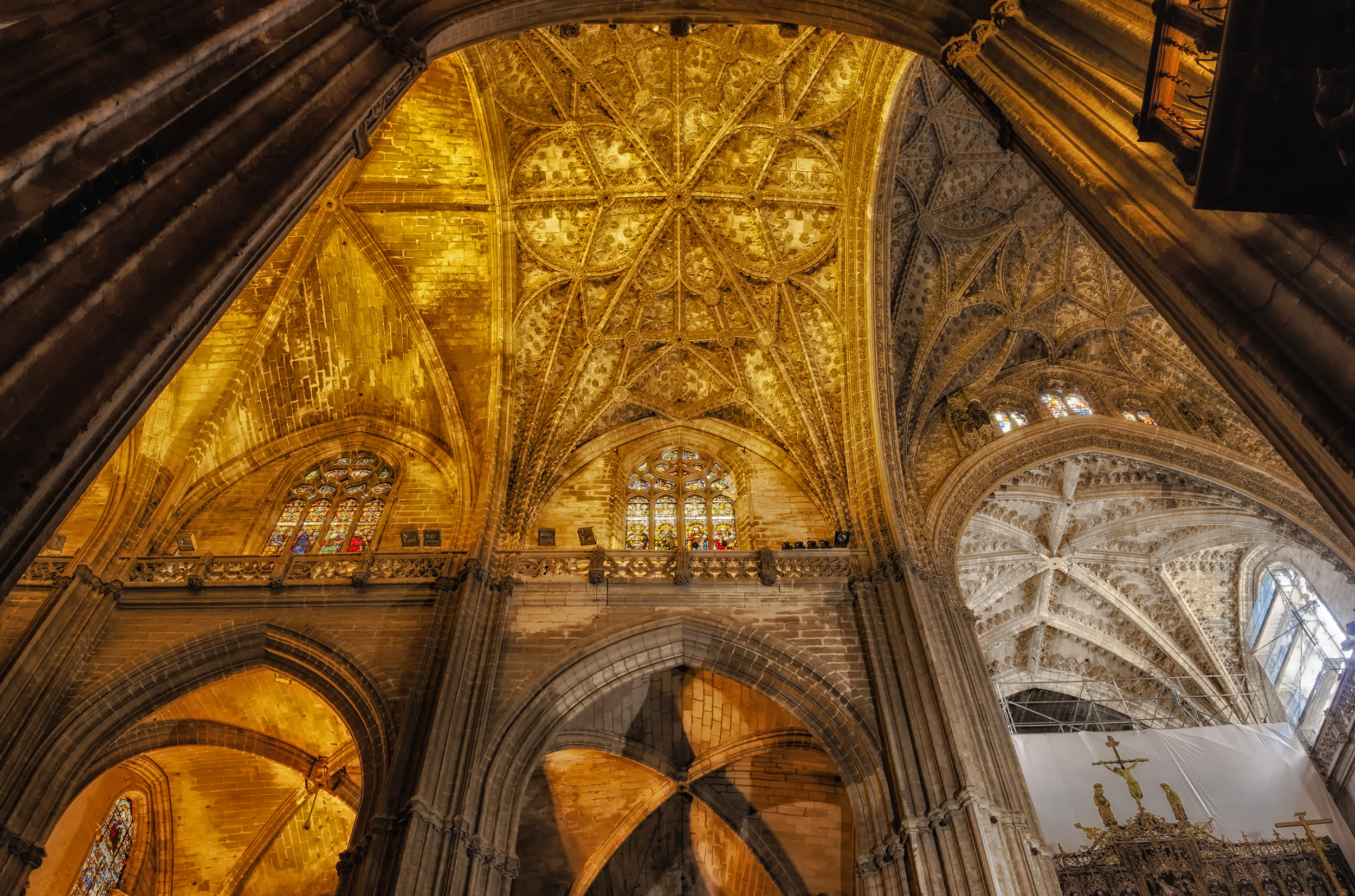
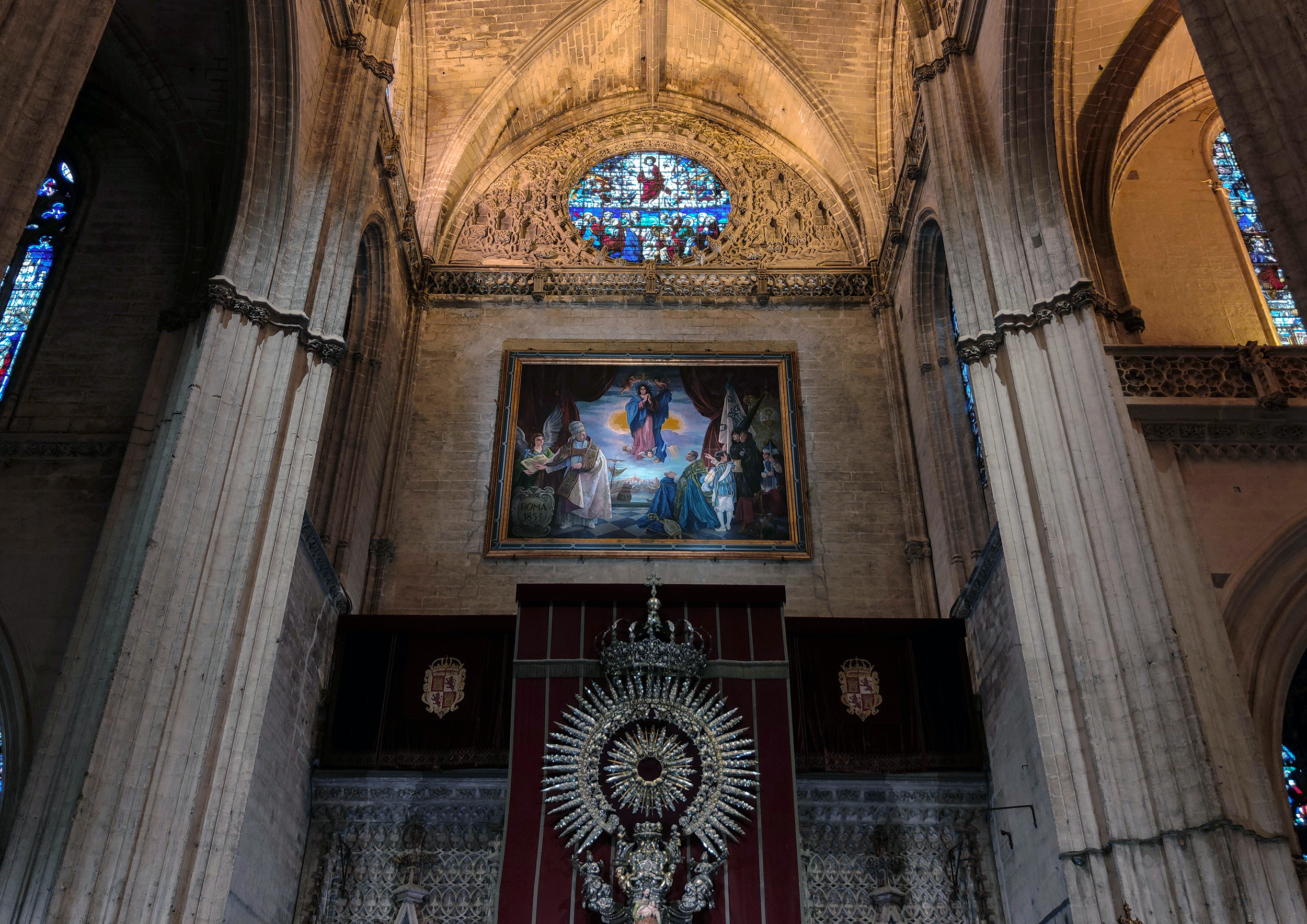
The scale of the interior is overwhelming, its vaults rising on massive piers above a forest of chapels. The centrepiece is the Retablo Mayor, the main altarpiece — the largest and one of the richest in the Christian world, a gilded wall of intricately carved scenes from the life of Christ some 20 metres high. Nearby stands the monumental tomb of Christopher Columbus, his coffin held aloft by four bronze pallbearers representing the medieval kingdoms of Castile, León, Aragon and Navarre. The cathedral’s most famous feature, though, rises outside it: La Giralda, the great bell tower that was once the minaret of the Almohad mosque, climbed not by stairs but by a series of gentle ramps to a viewpoint over the whole city. At its foot, the Patio de los Naranjos — the old mosque’s courtyard of orange trees — offers a shady, fragrant contrast to the immensity within.
How to Get There and Practical Information
The cathedral stands in the heart of Seville’s old town, on the Plaza del Triunfo beside the Royal Alcázar and a short walk from the Guadalquivir river and the Santa Cruz quarter. Seville is easily reached by high-speed AVE train from Madrid in around two and a half hours and has its own international airport; the historic centre is compact and best explored on foot. Entry is ticketed, covering both the cathedral and the climb up the Giralda, with reduced rates and a limited free-entry window on Sunday afternoons that must be booked in advance. It is one of the busiest sights in the city, so booking online and arriving early is wise; allow around an hour and a half, and combine it easily with the Alcázar next door.
Weather in location: Seville Cathedral, Spain
- Today 19°…38°
- Wind 2 km/h S
- No precipitation now