09/04/2024
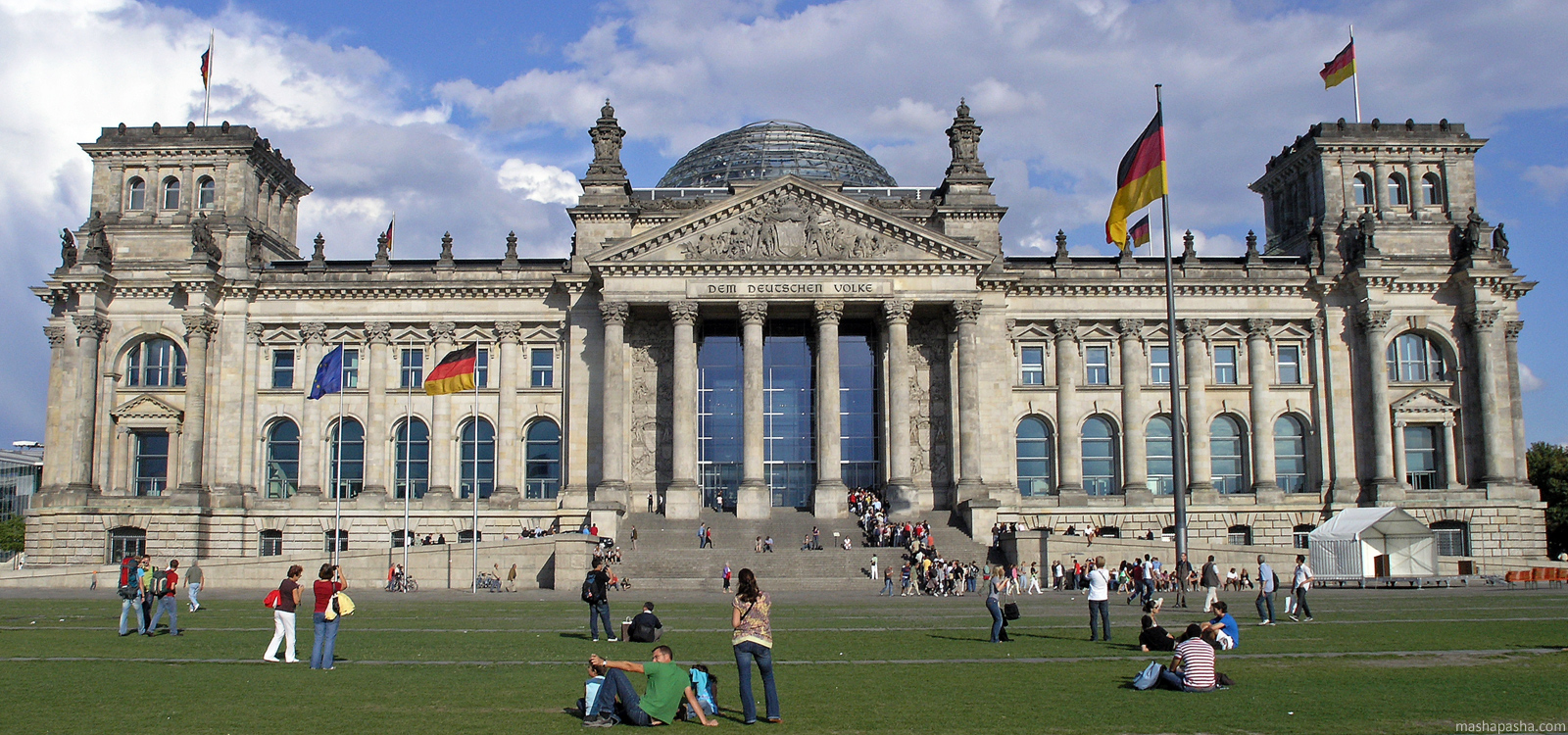
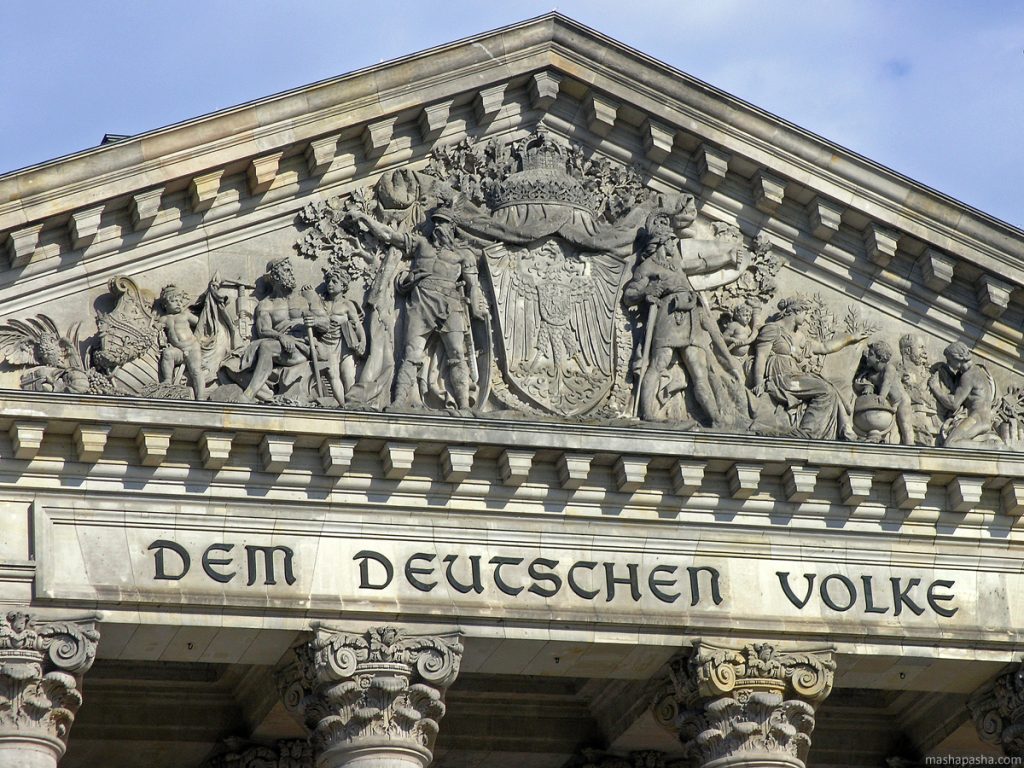
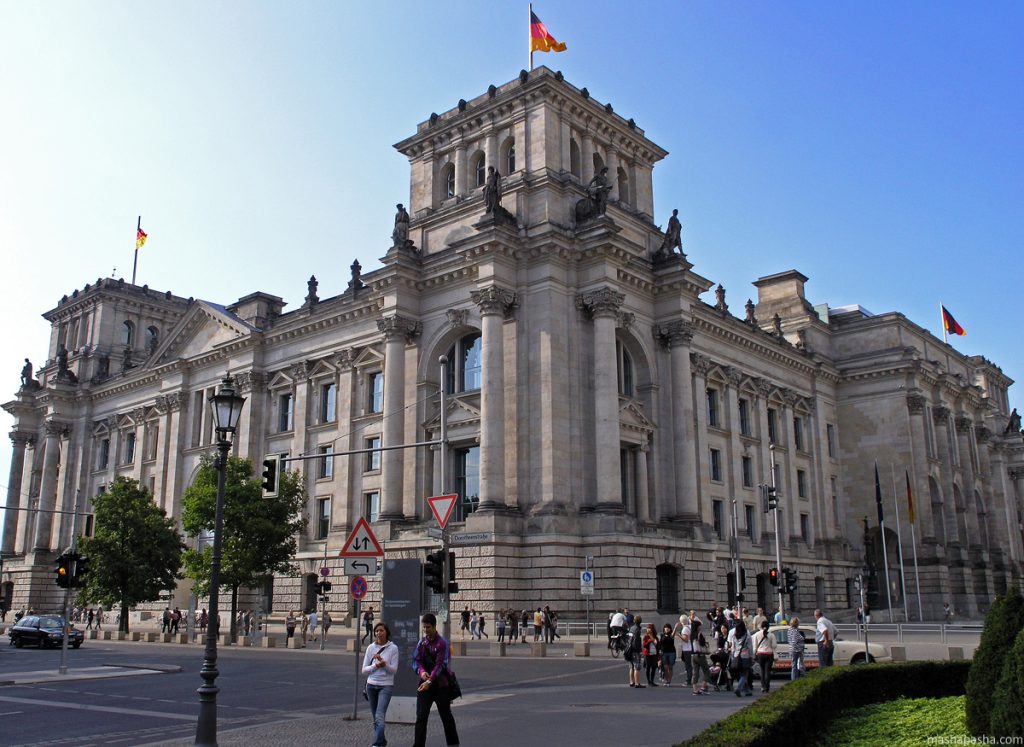
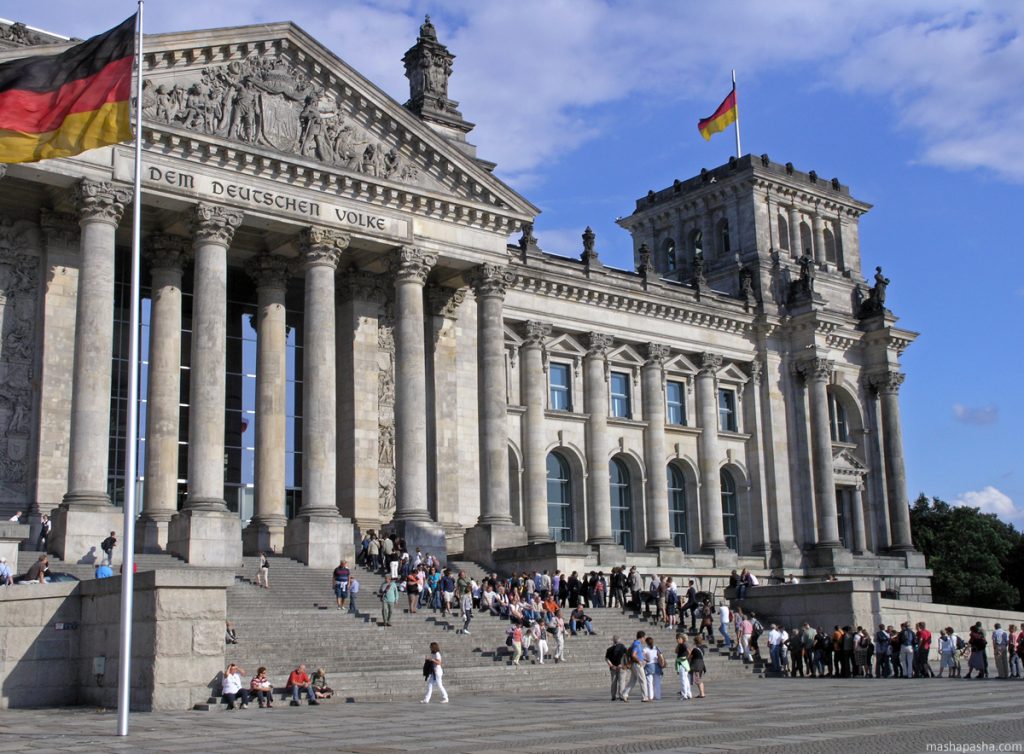
The Reichstag building on Platz der Republik in Berlin was built in 1884–1894 to designs by Paul Wallot for the parliament of the German Empire. The famous inscription “Dem deutschen Volke” (“To the German people”) was added above the main portico in 1916.
On 27 February 1933 a fire gutted the plenary hall, and the Nazis used it as a pretext to suspend civil liberties. In the last days of the Second World War Soviet troops fought their way into the building, and the photograph of a red flag raised over its roof on 2 May 1945 became a symbol of the defeat of Nazi Germany. Graffiti left by Soviet soldiers can still be seen on some walls inside.
After German reunification the Bundestag decided to move back to Berlin. In the summer of 1995 the artists Christo and Jeanne-Claude wrapped the whole building in silver fabric, and from 1995 to 1999 the British architect Norman Foster rebuilt it with a new glass dome. Since April 1999 the Reichstag has been the seat of the Bundestag, the German federal parliament.
The dome is 23.5 metres high and 40 metres wide. Two spiral ramps lead up to a viewing platform with views over the government quarter, the Tiergarten and the Brandenburg Gate, and a mirrored cone in the centre reflects daylight down into the plenary chamber below.
Visiting the dome and the roof terrace is free, but you must register in advance on the Bundestag website (www.bundestag.de) with the names and dates of birth of all visitors and bring a photo ID. The dome is open daily from 8:00 to midnight, with last admission at about 22:00, and a free audio guide is available. It closes for several maintenance weeks each year, so check the dates before planning your visit.
The Reichstag stands in the Tiergarten area of the Mitte district, a few minutes’ walk from the Brandenburg Gate and right by the Spree, where the modern parliament buildings line both banks of the river.
Weather in location: Reichstag, Berlin
- Today 6°…16°
- Wind 5 km/h S
- No precipitation now
Average by month
Monthly averages and dry days (no measurable rain) from ERA5, last 10 years.