16/01/2026
Plitvice Lakes National Park in central Croatia, a UNESCO World Heritage Site since 1979, is one of the most famous landscapes in Southeast Europe: a chain of clear turquoise lakes in a forested karst valley, linked by dozens of waterfalls and cascades.
Location and Natural Setting
Plitvice Lakes National Park is situated between the cities of Zagreb and Zadar, in a mountainous and forested region of Croatia. The park covers a large karst area formed mainly of limestone and dolomite rock. Water flowing through this terrain has created a chain of lakes, cliffs, and waterfalls over thousands of years. The waterfalls are spread throughout the park and connect 16 main lakes, which are divided into Upper Lakes and Lower Lakes.
Waterfall System and Height
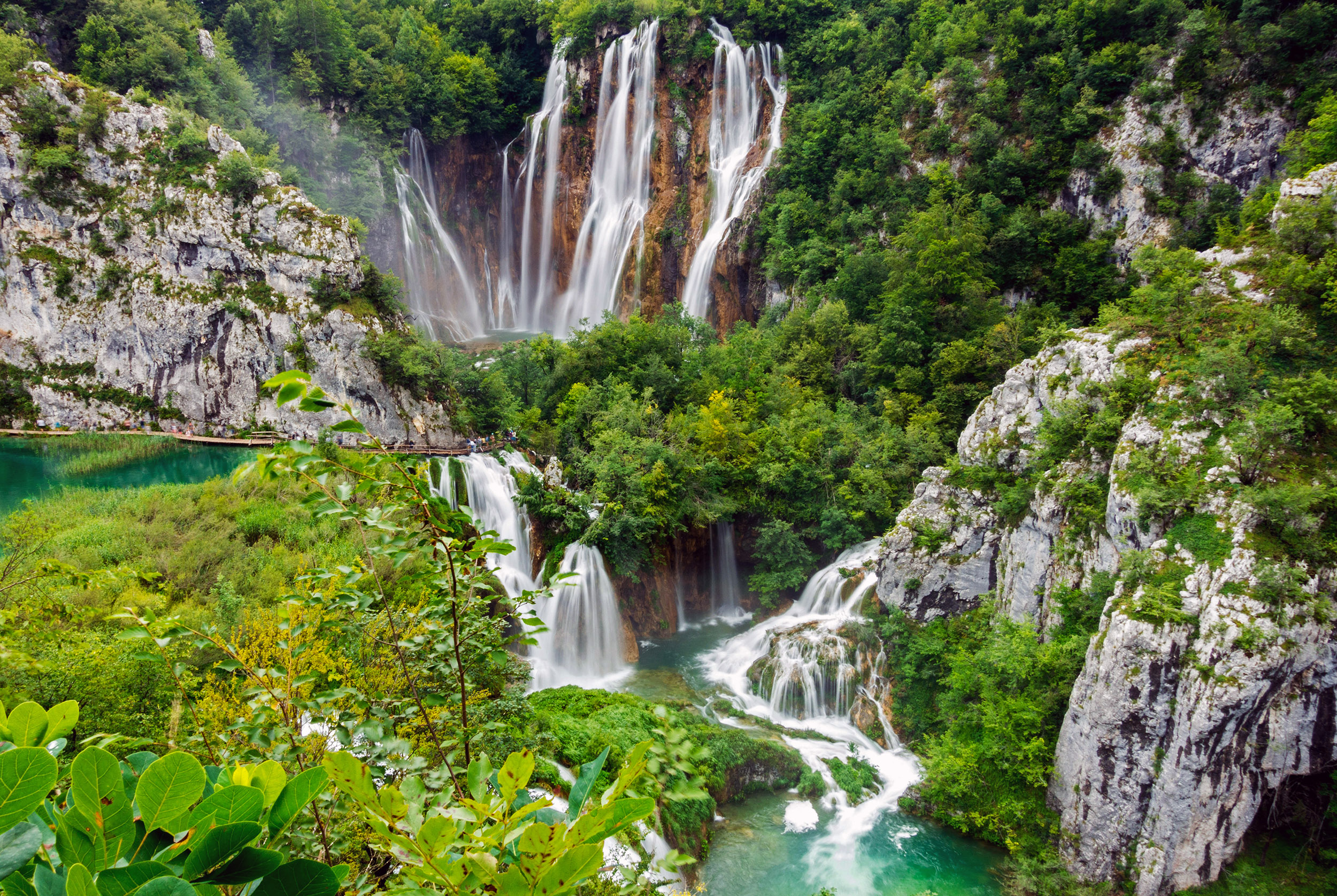
The Plitvice Waterfalls do not consist of a single large waterfall, but rather dozens of waterfalls of different sizes. The height and shape of each waterfall depend on the terrain and the water level. The most famous waterfall in the park is Veliki Slap (Big Waterfall), which is the tallest waterfall in Croatia, with a height of about 78 meters (256 feet). It is located at the end of the Lower Lakes and is fed by the Plitvica Stream. Smaller waterfalls flow continuously between the lakes, forming a natural stairway of water, foam, and pools.
Unique Natural Features
One of the most special features of the Plitvice Waterfalls is the process of tufa formation. Tufa is a type of limestone that forms when minerals from the water settle and harden over moss and plants. This natural process constantly changes the shape of the waterfalls, creating new barriers and altering existing ones.
The water is famous for its clear blue and green colors, which change depending on sunlight, minerals, and algae in the water.
How to Get There
Plitvice Lakes National Park is easily accessible by road:
- From Zagreb, the drive takes about 2 hours by car.
- From the Adriatic coast, including Zadar or Split, the drive takes 2 to 3 hours, depending on the starting point.
Regular bus connections are available from major Croatian cities. The park has several official entrances with parking areas.
Visiting the Waterfalls
Visitors explore the park on wooden boardwalks, gravel paths and footbridges that pass directly above the water and beside the waterfalls, on marked routes from short walks to full-day programmes. The electric boat across Lake Kozjak and the panorama train, both included in the ticket, link the distant parts of the park.
Swimming is not allowed, in order to protect the fragile ecosystem.
Ticket Prices
In 2026 a one-day ticket for adults costs €10 from November to March, €23 in April, May and October and €40 from June to September (€25 after 16:00 in June–August and after 15:00 in September). Children aged 7–18 pay €4–15, children under 7 enter free, and buying online in advance is recommended in summer.
Best Time to Visit
The waterfalls can be visited throughout the year:
- Spring and early summer offer strong water flow and lush greenery.
- Autumn brings colorful forests and fewer visitors.
- Winter transforms the waterfalls into frozen landscapes, although access may be limited in snowy conditions.


Weather in location: Plitvice Waterfalls & Lakes, Croatia
- Today 7°…16°
- Wind 9 km/h NE
- No precipitation now
Average by month
Monthly averages and dry days (no measurable rain) from ERA5, last 10 years.