21/11/2025
The Fallas of Valencia (Falles in Valencian) is a major traditional festival held every March in the city of Valencia, Spain. Known for its giant satirical monuments, street celebrations and fireworks, it has become one of Spain’s most recognizable cultural events. It is held in honor of Saint Joseph, the patron saint of carpenters, attracts hundreds of thousands of visitors and was added to UNESCO’s list of the Intangible Cultural Heritage of Humanity in 2016.
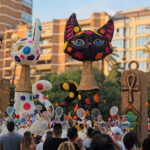
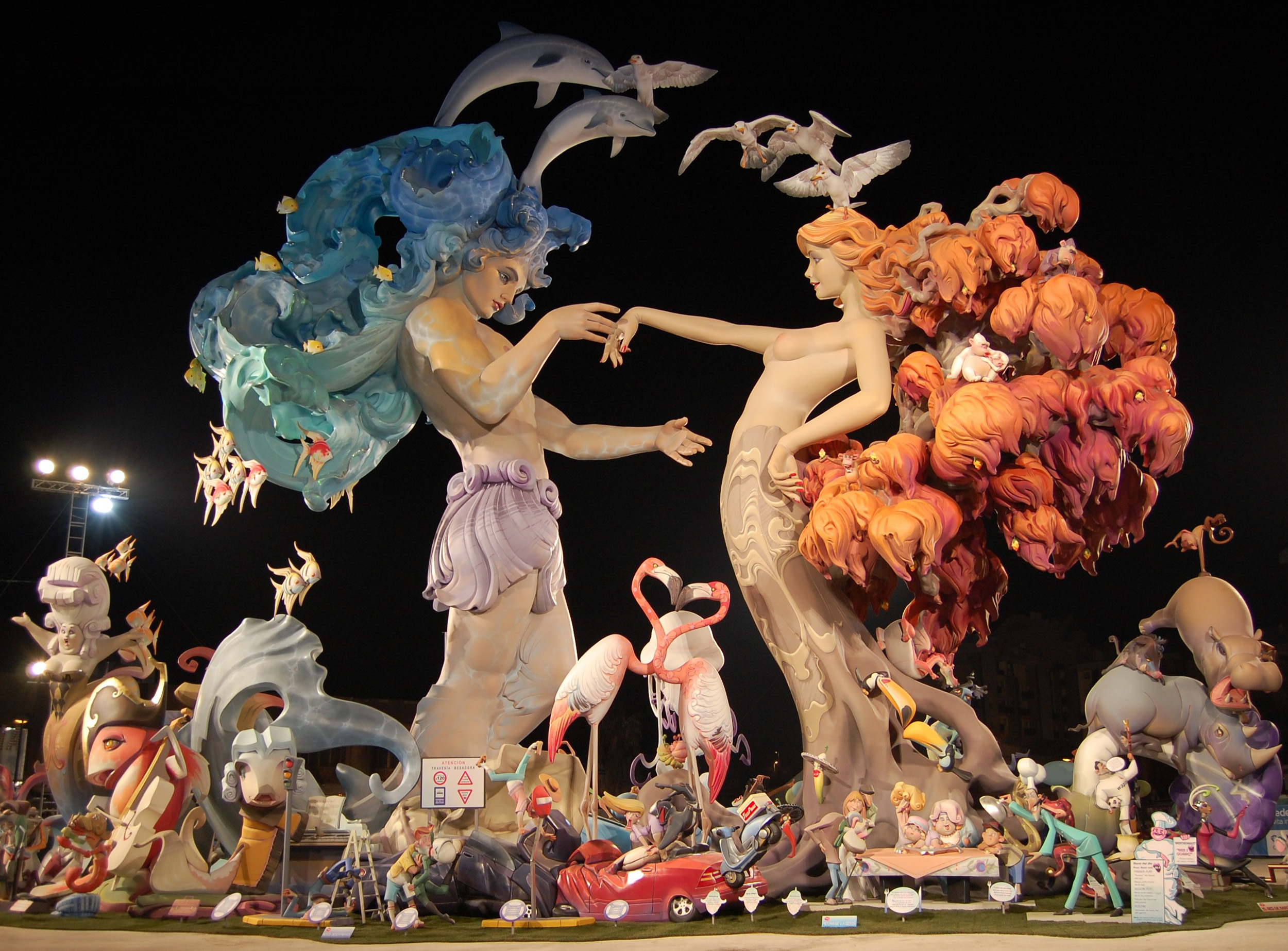
The festival is famous for its fallas: huge temporary monuments of wood, cardboard and polystyrene, built by professional artists for each neighborhood commission and made up of many figures called ninots. Most are satirical, mocking politicians, celebrities and everyday life, and the largest reach more than 20 meters. Next to each falla stands a smaller children’s falla. Before the festival, one ninot from every commission is shown at the Ninot Exhibition, and the figure chosen by public vote, the ninot indultat, is spared from the fire and kept in the Fallas Museum.
When and Where the Festival Takes Place
The main festival days are 15 to 19 March, but the season opens on the last Sunday of February with La Crida at the Torres de Serranos, and the daily mascletàs start on 1 March. Fallas fill the whole city of Valencia, and many other towns of the Valencian Community hold their own, smaller Fallas at the same time.
Where to See the Fallas
- Plaza del Ayuntamiento, the city’s main square, with the municipal falla and the daily mascletà
- Barrio del Carmen, known for traditional fallas installations
- Ruzafa, famous for illuminated streets and nightlife
- Neighborhoods across Valencia, each hosting their own sculptural displays
- The entire city participates, with more than 700 fallas, counting the children’s ones, set up across Valencia.
Main Events
The Fallas festival includes a series of traditional events, each drawing large crowds:
La Plantà – The children’s fallas must be standing by the morning of 15 March and the main fallas by the morning of 16 March. Artists and volunteers work for days, often with cranes, to assemble the monuments at their designated locations.
La Mascletà – Every day at 2:00 PM from March 1 to 19, a powerful fireworks display takes place in Plaza del Ayuntamiento. Unlike typical fireworks, a mascletà emphasizes rhythm, sound, and shockwaves rather than visual effects.
La Nit del Foc – Every night from 15 to 18 March, fireworks light up the sky over the old Turia riverbed near the Alameda, each display grander than the last. The final and biggest one, on the night of 18 to 19 March, is called La Nit del Foc, the Night of Fire.
L’Ofrena de Flors – On March 17 and 18, thousands of falleros in traditional dress parade through the old town to bring flowers to the Virgin of the Forsaken, patroness of Valencia. The bouquets are used to dress a giant wooden figure of the Virgin in Plaza de la Virgen.
La Cremà – The festival ends on the night of 19 March, Saint Joseph’s Day, with the burning of all the fallas. The children’s fallas burn from about 10 PM and the main ones at midnight; the last to go up in flames, at 1 AM, is the municipal falla in Plaza del Ayuntamiento. The event symbolizes renewal and the end of winter.
Tips for Visitors
Almost all Fallas events are free and take place in the streets. Plaza del Ayuntamiento fills up long before the 2 PM mascletà, so arrive early or listen from the surrounding streets, and bring ear protection for small children. Hotels in Valencia are booked out months ahead for 15–19 March.


Weather in location: Fallas of Valencia, Spain
Average by month
Monthly averages and dry days (no measurable rain) from ERA5, last 10 years.