






22/11/2025
The Eisriesenwelt is the largest ice cave in the world, located near the town of Werfen in the Austrian state of Salzburg. Nestled in the Tennengebirge mountain range of the Alps, the cave system extends for more than 42 kilometers, although only about one kilometer is accessible to visitors. Formed naturally over thousands of years, the cave is renowned for its spectacular ice formations, including frozen waterfalls, ice stalagmites, and massive chambers of glistening blue ice.
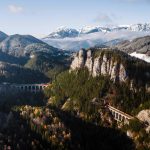
Visitors typically reach the Eisriesenwelt by a combination of car or public transport and a short ascent via a cable car followed by a steep walk up to the cave entrance. From Salzburg, the drive takes approximately 40 minutes along scenic alpine roads, while regional buses connect Werfen to the cave during the tourist season. The path to the cave entrance offers panoramic views of the surrounding mountains and the Salzach valley, enhancing the visitor experience even before entering the cave itself.
The cave is open to the public from May to October, as winter temperatures make it unsafe to navigate the ice formations. Guided tours last around 75 minutes and are required to ensure safety and preserve the delicate ice structures. Ticket prices range from approximately €16 for adults to €7 for children, with family and group rates available. Warm clothing and sturdy footwear are strongly recommended, as temperatures inside the cave remain around 0 °C, regardless of the season.
Eisriesenwelt is famous not only for its sheer size but also for the ethereal beauty of its ice sculptures, which change and evolve with the seasons. The cave was first discovered in 1879 by the explorer Anton Posselt, and it has since become one of Austria’s most iconic natural attractions. Its combination of geological significance, visual spectacle, and alpine setting draws tens of thousands of tourists each year, making it a highlight of any visit to the region.
当地天气: Eisriesenwelt cave, Werfen, Austria
- 今天 7°…19°
- 风 4 公里/小时 SE
- 目前无降水
按月平均
ERA5 过去 10 年的月平均值和无降雨日数(无可测量的降雨)。