18/08/2021
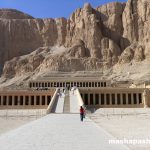
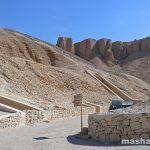
Karnak Temple is the largest religious complex of ancient Egypt that has survived to the present day. It stands on the East Bank of the Nile, about 2.5 km north of central Luxor, on the site of ancient Thebes, which served as the capital of Egypt during the New Kingdom. The temple complex, together with the nearby Valley of the Kings and the Mortuary Temple of Hatshepsut, forms one of the main attractions of the region and is among the most visited tourist sites in Egypt, comparable in popularity to the Great Pyramids of Giza.
Construction at Karnak began in the Middle Kingdom, around 2000 BC, under Pharaoh Senusret I, and continued for about 2,000 years until the Ptolemaic and Roman periods. The main temple is dedicated to Amun-Ra, the chief god of Thebes; the complex also includes the precincts of the goddess Mut and the war god Montu. Many notable pharaohs contributed to its expansion and decoration, including Thutmose I, Hatshepsut, Thutmose III, Amenhotep III, Seti I and Ramesses II. With the spread of Christianity in Egypt during the Roman period, the temple gradually fell out of use and was eventually abandoned.
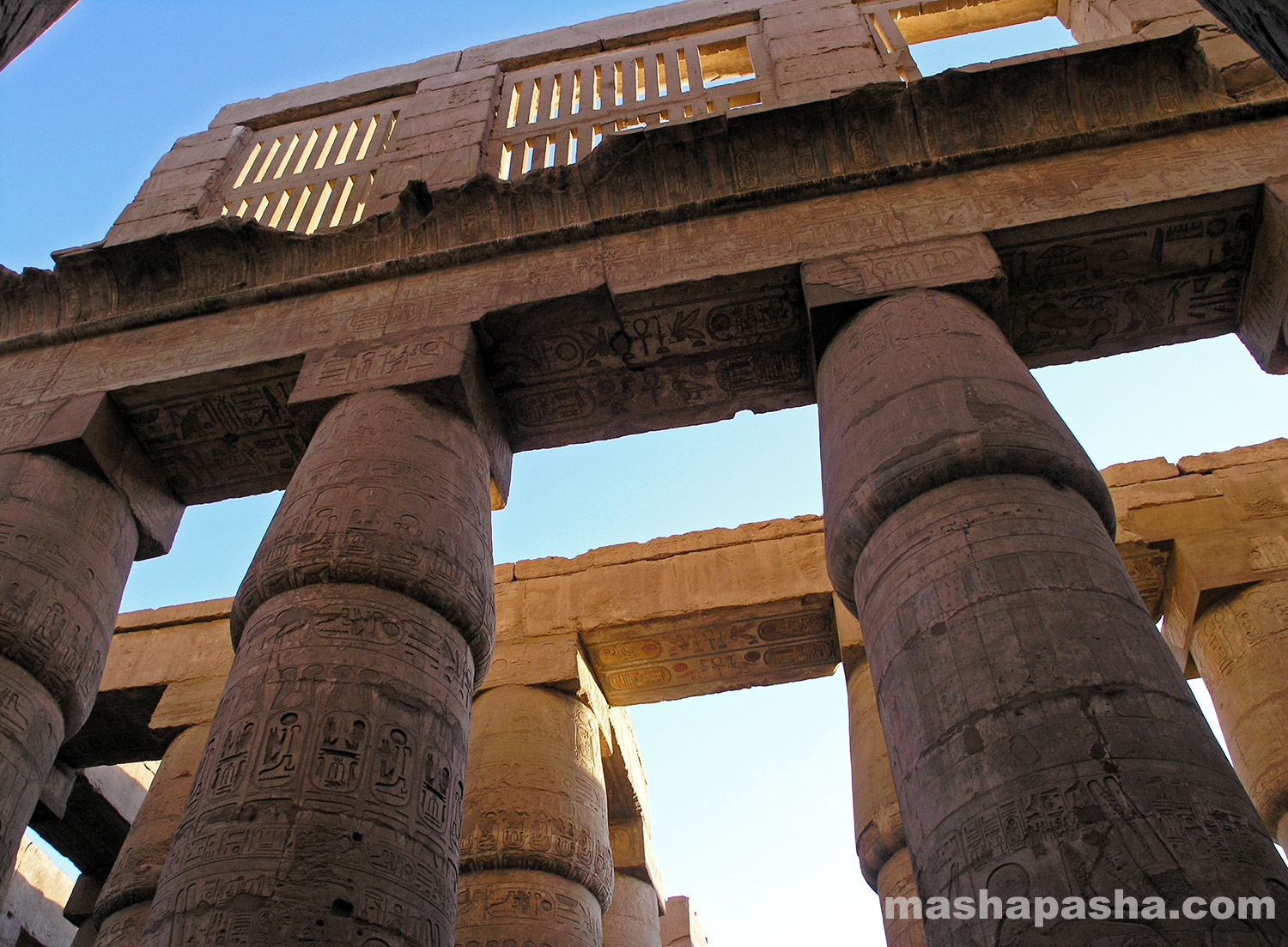
The Karnak Temple complex resembles a small city, comprising multiple precincts, halls, pylons, chapels, and sanctuaries. Its most famous feature is the Great Hypostyle Hall, with 134 massive stone columns arranged in 16 rows. The 12 central columns are about 21 meters tall and about 10 meters around, and once supported a stone roof. Although the roof is gone, the hall remains an extraordinary example of ancient architectural achievement.
Visitors to Karnak Temple can also see the avenue of ram-headed sphinxes in front of the entrance, numerous statues and obelisks, and the Sacred Lake used for rituals. Since 2021, the restored Avenue of Sphinxes has linked Karnak with Luxor Temple, about 2.7 km to the south, and visitors can walk along it.
Karnak Temple is easily reached from central Luxor by taxi or horse carriage, and it is also visited on Nile cruises and on day trips from Hurghada (about four hours by road each way). In 2026, the ticket for foreign visitors costs 600 EGP and is paid by card. The site is open daily from 6:00 until about 17:30. There is little shade, so bring water, sun protection and a hat.


Weather in location: Karnak Temple, Luxor, Egypt
- Today 21°…32°
- Wind 13 km/h NW
- No precipitation now
Average by month
Monthly averages and dry days (no measurable rain) from ERA5, last 10 years.