


UNESCO World Heritage Sites in Austria
map viewAustria's UNESCO World Heritage runs from imperial Vienna to the Alpine lakes, and this page brings together nine sites we have visited. In Vienna alone you can see Schönbrunn Palace, the Hofburg, the Belvedere, St. Stephen's Cathedral and the neo-Gothic City Hall. Along the Danube in the Wachau valley, the Baroque abbeys of Melk and Göttweig look down on the river. Hallstatt sits on its lake below the Dachstein mountains, and the Semmering Railway was one of the first mountain railways in Europe. May to September is the most pleasant time to visit.
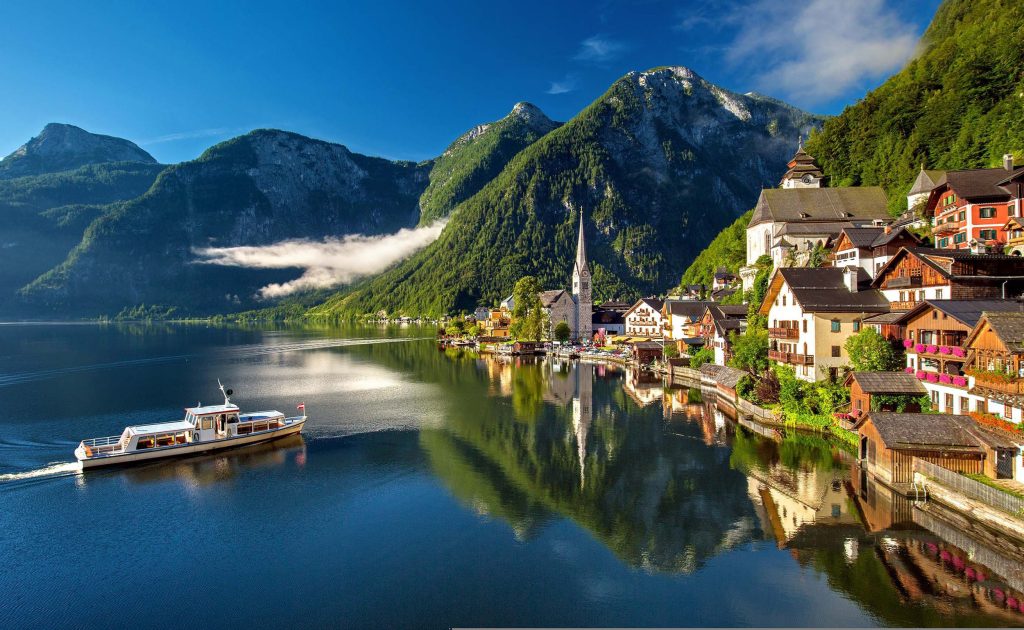
Hallstatt iconic landscape, Austria
Lakeside UNESCO village in the Salzkammergut with 7,000 years of salt mining, the Skywalk viewpoint and the classic postcard view.
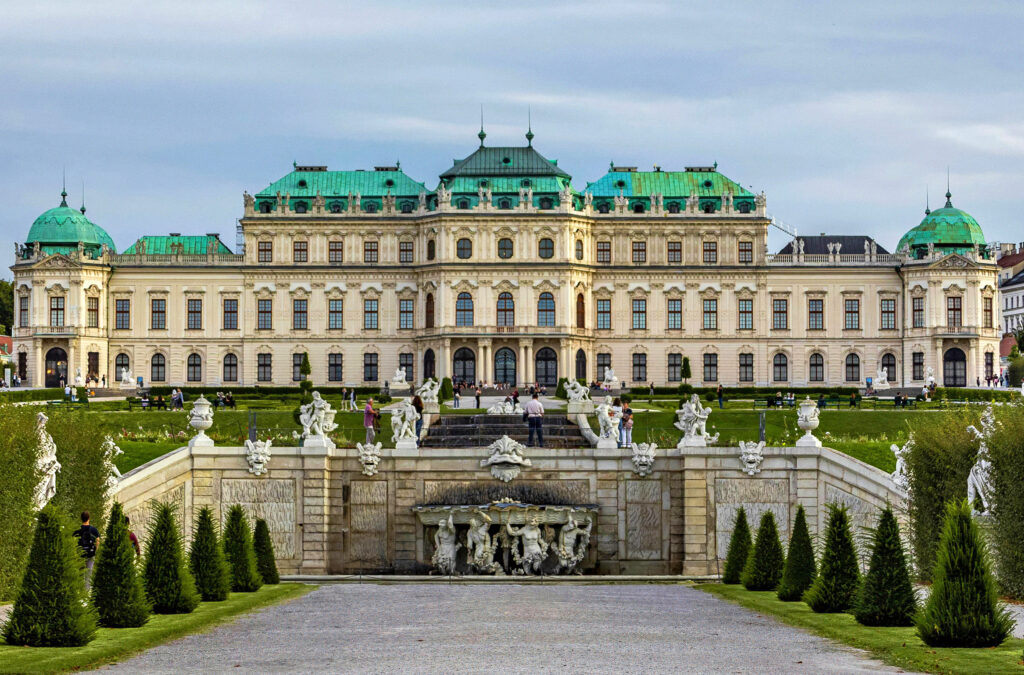
Belvedere Palace, Vienna, Austria
Prince Eugene’s Baroque palaces of 1712–1723 with a terraced garden and the world’s largest Klimt collection, including “The Kiss”.
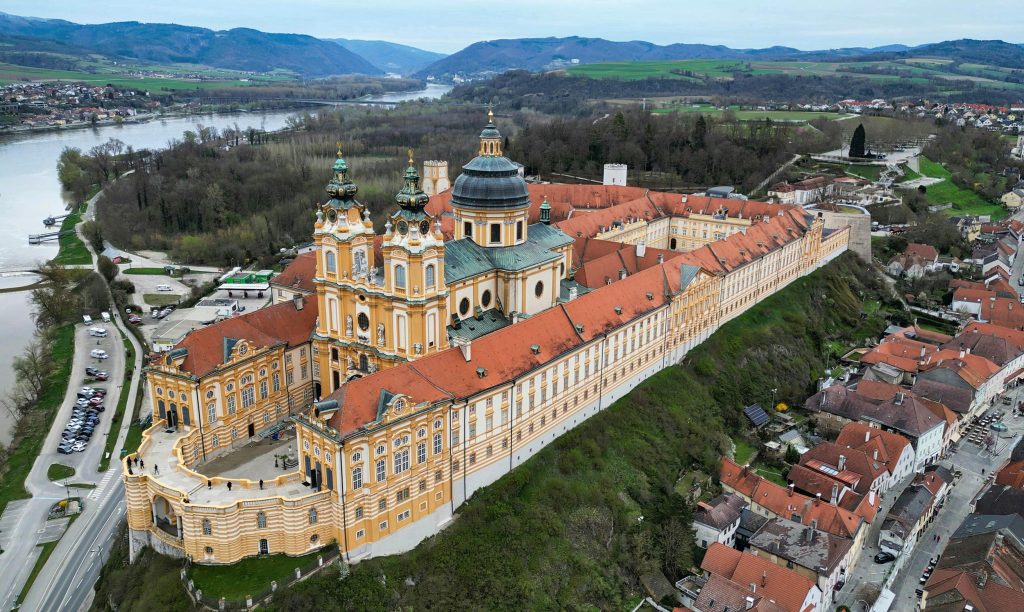
Melk Abbey, Austria
Baroque Benedictine abbey on a rock above the Danube, home to monks since 1089, with a gilded church and a famous library; adults €16.
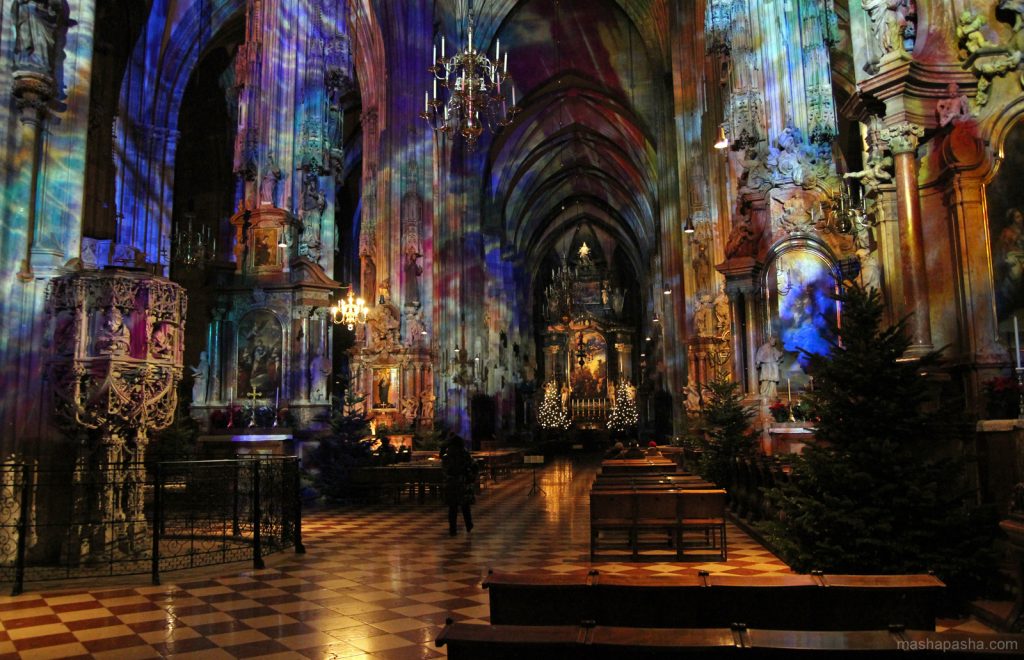
St. Stephen’s Cathedral, Vienna, Austria
Vienna’s Gothic cathedral with its 136-metre south tower and patterned tile roof, the best-known landmark of the city.
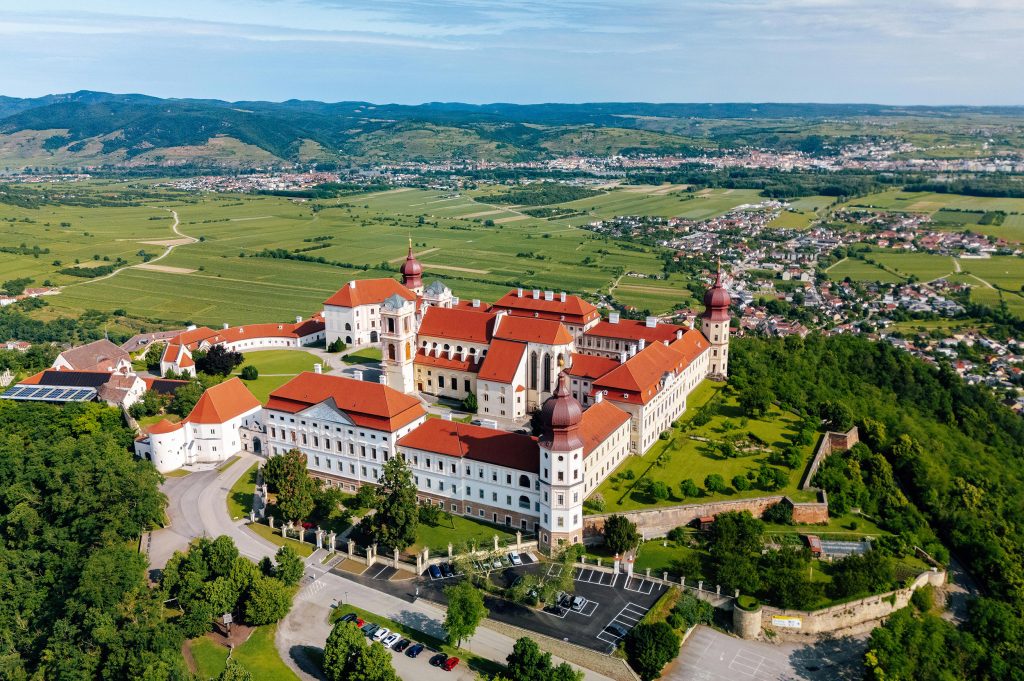
Göttweig Abbey, Austria
Hilltop Benedictine abbey founded in 1083 above the Danube near Krems, with the Imperial Staircase and Troger's fresco; adults €14.
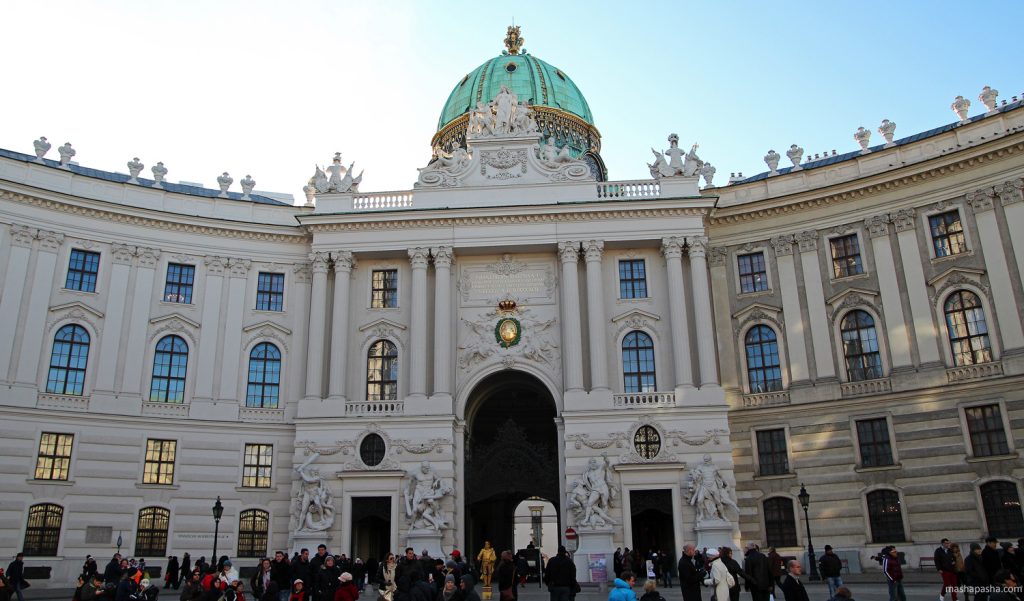
Hofburg palace, Vienna, Austria
The main winter residence of the Austrian emperors. Complex of palaces and museums in the center of Vienna.
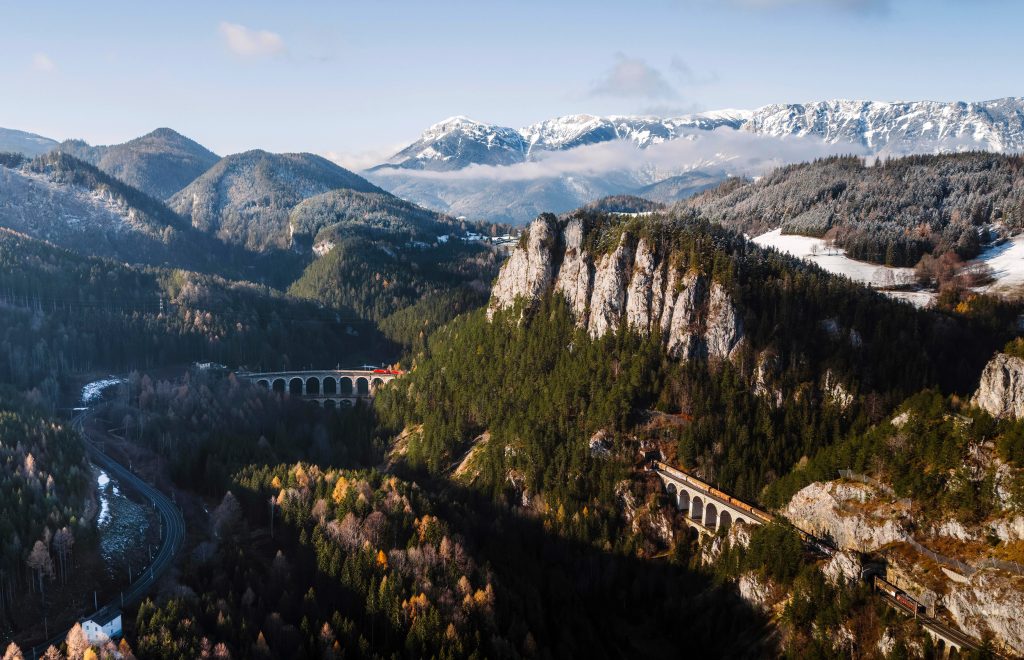
Semmeringbahn / Semmering Railway, Austria
Europe's first standard-gauge mountain railway, opened in 1854: 41 km of tunnels and stone viaducts over the Semmering Pass, ridden on a normal train ticket.
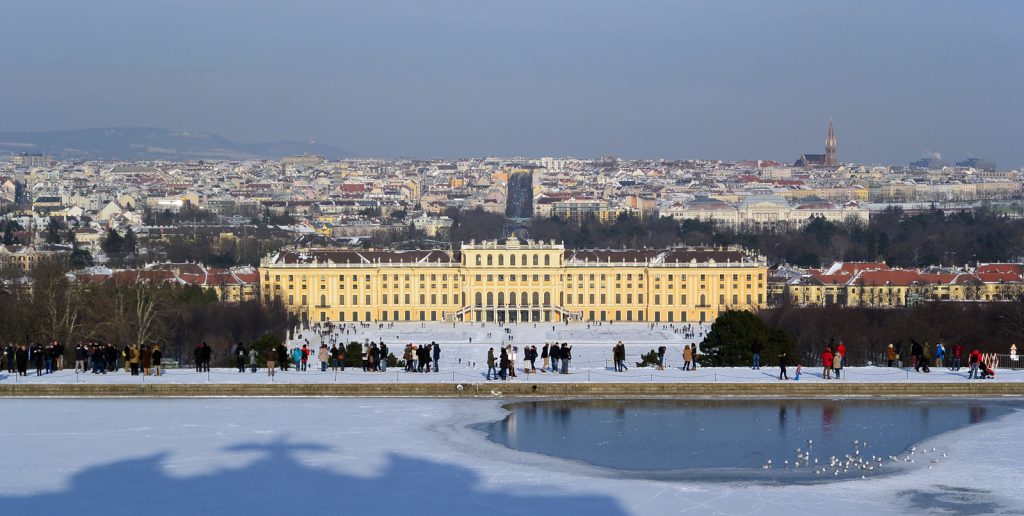
Schönbrunn Palace, Vienna, Austria
The former summer residence of the Habsburgs in Vienna: a Baroque palace with 1,441 rooms, a free palace park with the Gloriette, and the oldest zoo in the world.
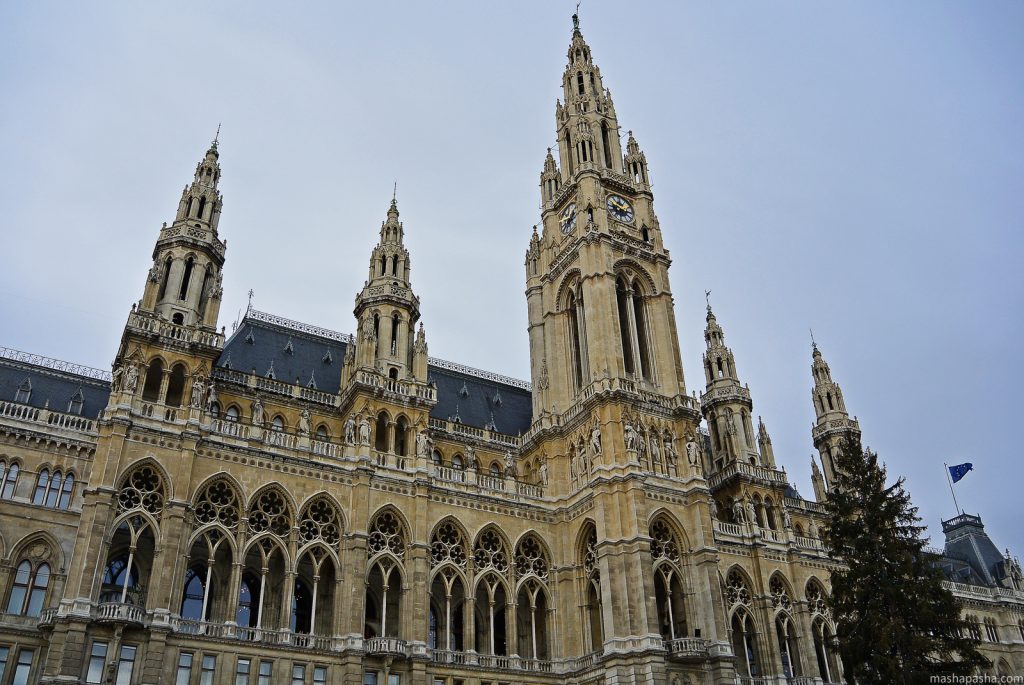
City Hall in Vienna
Vienna’s neo-Gothic City Hall on the Ring, with a 98-metre tower crowned by the Rathausmann, free guided tours and events on Rathausplatz all year round.
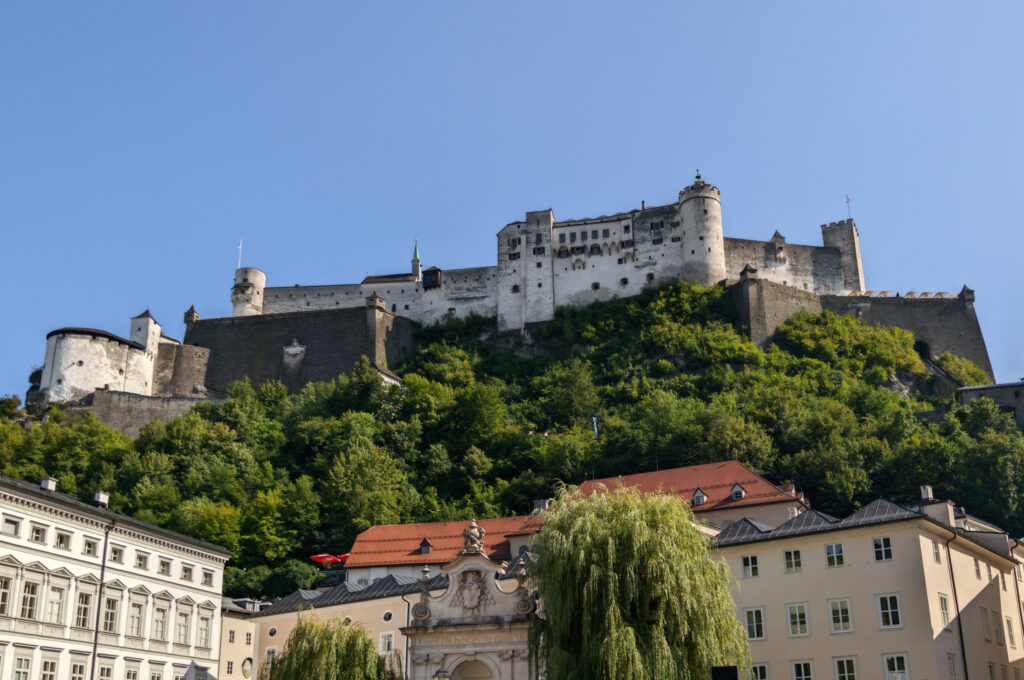
Hohensalzburg Fortress, Salzburg, Austria
One of the largest and best-preserved medieval castles in Europe, high above the old town of Salzburg, Austria.
UNESCO sites in Austria on the map
Numbers match the ranking above. Click a pin to open the place.
Best time to visit UNESCO sites in Austria
When sightseeing is most pleasant: comfortable 18–26 °C daytime temperatures and more dry days. Averaged over the places on this page.
ERA5 climate data 2015–2024 (Open-Meteo, CC BY 4.0), averaged for the places on this page.
Tickets: what it costs to visit UNESCO sites in Austria
Adult entrance prices, cheapest first. What the ticket includes and what you can see for free.
| Place | Region | Adult ticket | Ticket includes | Free without a ticket | Note |
|---|---|---|---|---|---|
| Göttweig Abbey | Lower Austria | €14 | Museum in the Imperial Wing with audio guide | Apricot garden | Children from 6 and students €9; family €25 |
| Melk Abbey | Lower Austria | €16 | Abbey, museum, library and church | — | Guided tour +€4; abbey park only €5.50 |
| Belvedere Palace | Vienna | €20–23 | Upper or Lower Belvedere museum | Palace gardens | Upper Belvedere €23, Lower Belvedere €20; under 19 free |
| Hofburg palace | Vienna | €20 | Palace | — | |
| Hallstatt iconic landscape | Upper Austria | €29–49 | Funicular and Skywalk; salt mine tour | Village and lakeside promenade | Salt mine tour incl. funicular €49; children 4–15 €14–23 |
| Schönbrunn Palace | Vienna | €30–49 | State Apartments | Palace park | |
| St. Stephen’s Cathedral | Vienna | Free | — | Cathedral | |
| Semmeringbahn | Lower Austria | Free | — | Railway hiking trail and viewpoints | Ride with a standard ÖBB train ticket, e.g. Gloggnitz–Mürzzuschlag |
Prices checked: 10.2026. Always check the official website before you go.
More to explore
 Italy26
 Spain23
 Germany22
 France17
 United Kingdom12
 Poland10
 Greece8
 Belgium6
 Czechia6
 Portugal6
 Egypt5
 Turkey5