

UNESCO World Heritage Sites in Germany
map viewGermany has more than 50 UNESCO World Heritage Sites, and this page gathers 22 we have visited. Two of King Ludwig II's palaces, Neuschwanstein and Linderhof, joined the list in 2025. Its great cathedrals are here: Cologne, Aachen, Speyer, Trier and Bamberg. Roman heritage survives in Trier's Porta Nigra and the Saalburg fort on the Limes. Palaces and gardens include the Würzburg Residence, the New Palace in Potsdam, Augustusburg and Falkenlust in Brühl and the Bergpark Wilhelmshöhe in Kassel. Add Museum Island in Berlin, the Wartburg, Quedlinburg, Maulbronn Monastery, the island of Reichenau, the Wieskirche, the Marksburg on the Middle Rhine and the prehistoric pile dwellings at Unteruhldingen. June to September is the best time to visit.
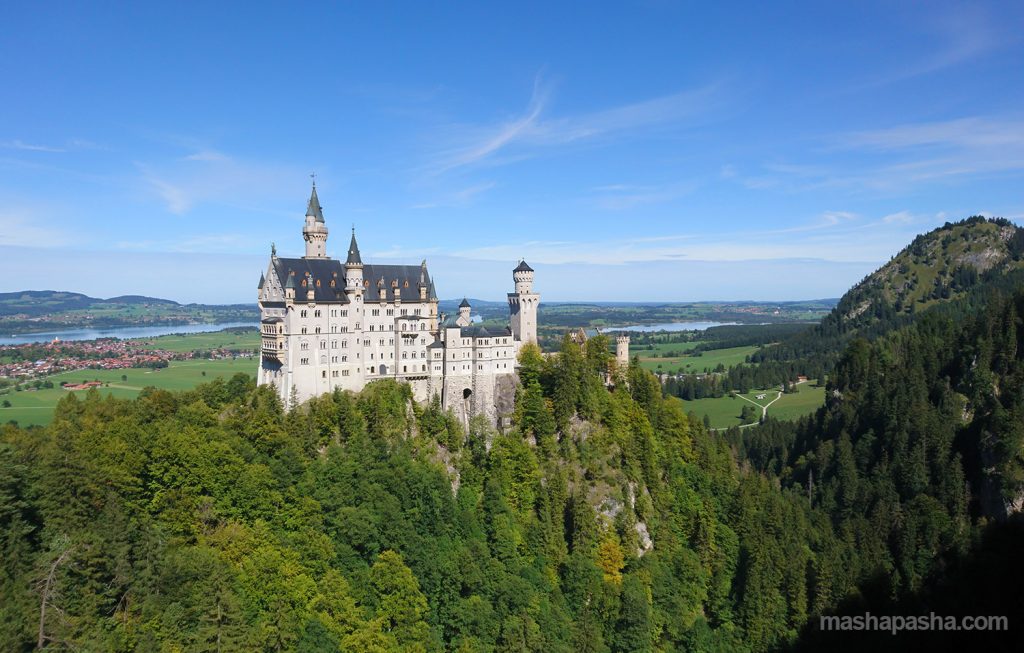
Neuschwanstein Castle, Germany
King Ludwig II’s fairytale castle in the Bavarian Alps, a UNESCO World Heritage Site and the model for Disneyland’s Sleeping Beauty Castle.

Cologne Cathedral, Germany
High Gothic twin-spired cathedral by the Rhine, built 1248–1880 and a UNESCO site; tourist entry €12 since July 2026, tower climb €8.
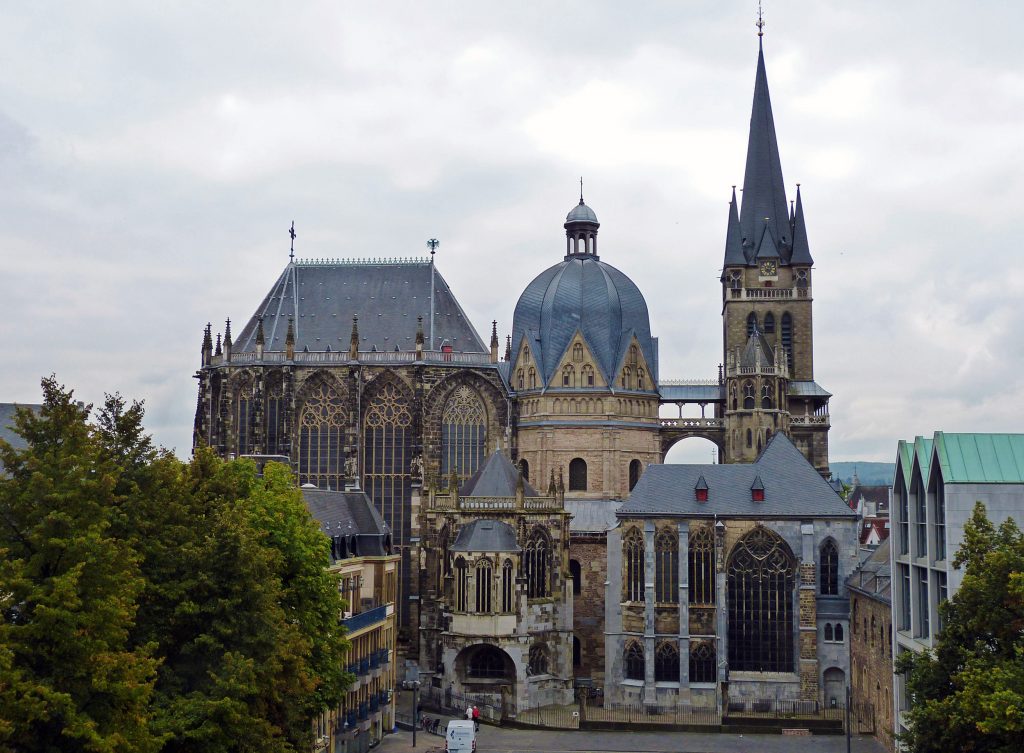
Aachen Cathedral, Germany
Charlemagne’s Palatine Chapel from around 800 and coronation church of 31 German kings; Germany’s first UNESCO site, free entry.
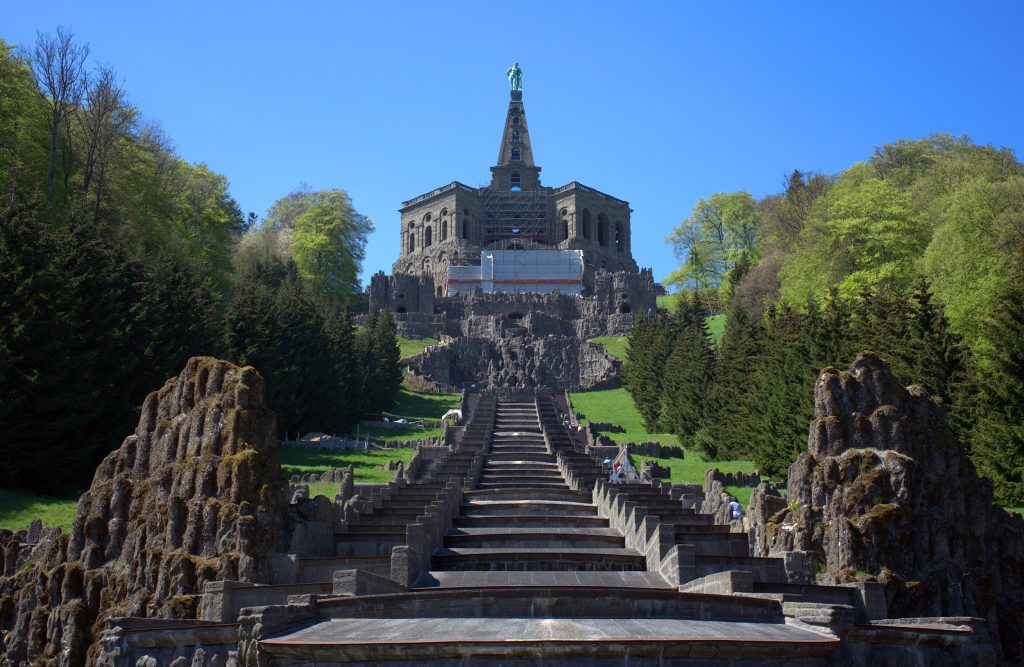
Bergpark Wilhelmshöhe, Kassel, Germany
Europe’s largest hillside park with the Hercules statue and gravity-fed water features (May–3 Oct); UNESCO site, park free, day ticket €8.
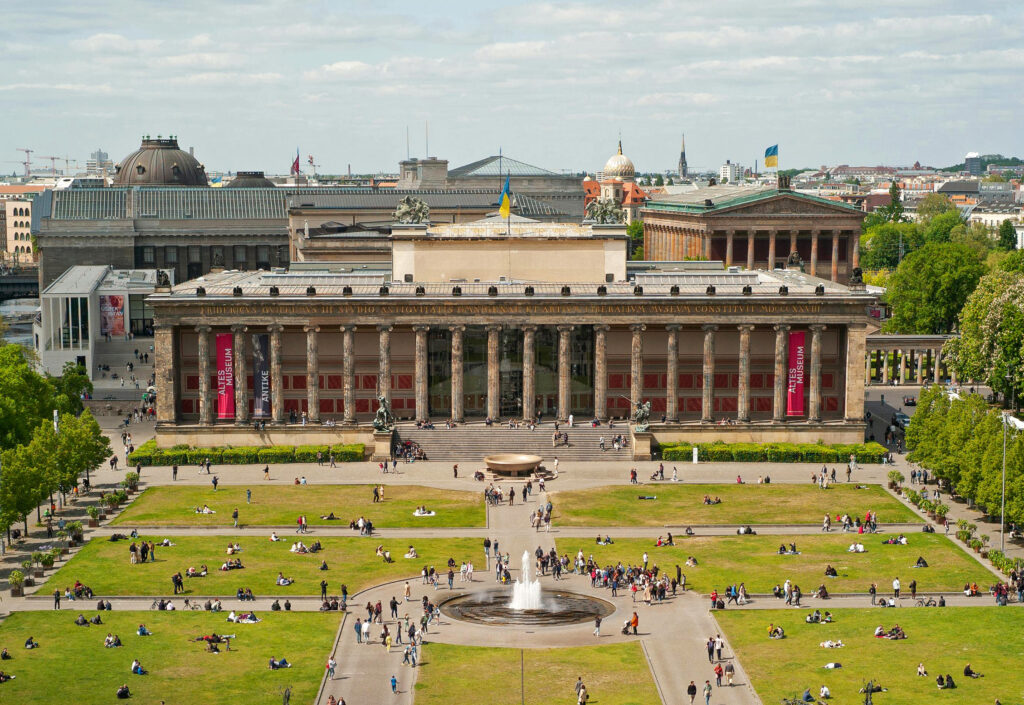
Museum Island Berlin
Architectural complex of five world-famous museums in Berlin
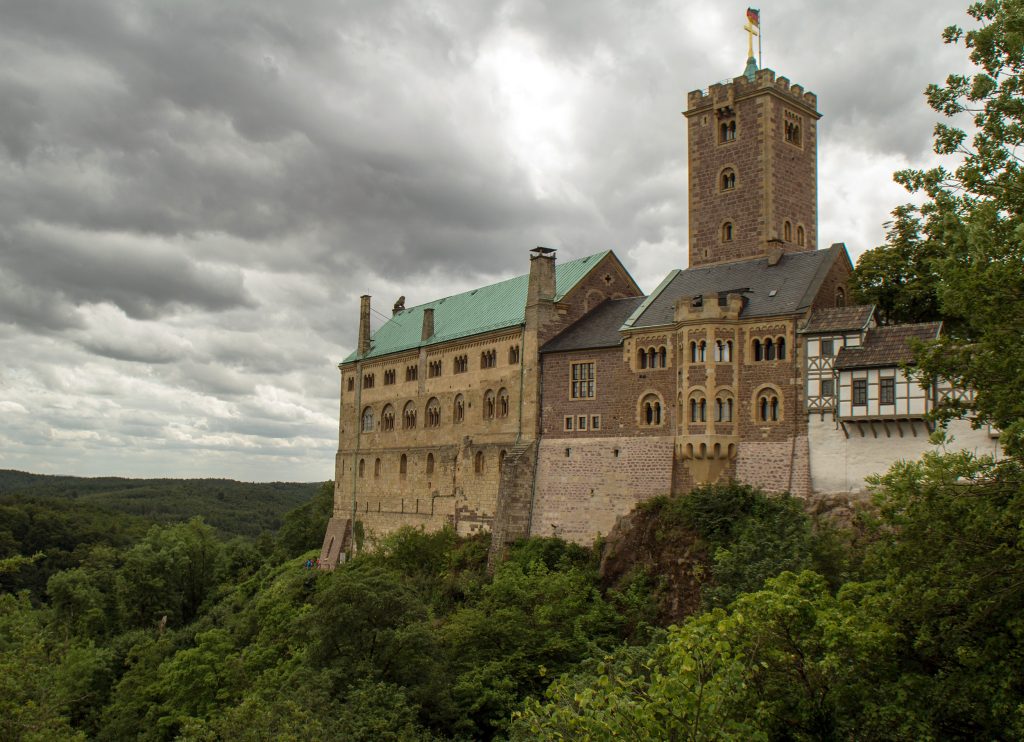
Wartburg castle, Eisenach, Germany
Hilltop castle above Eisenach where Luther translated the New Testament in 1521–22; UNESCO site, courtyards free, interior €13.
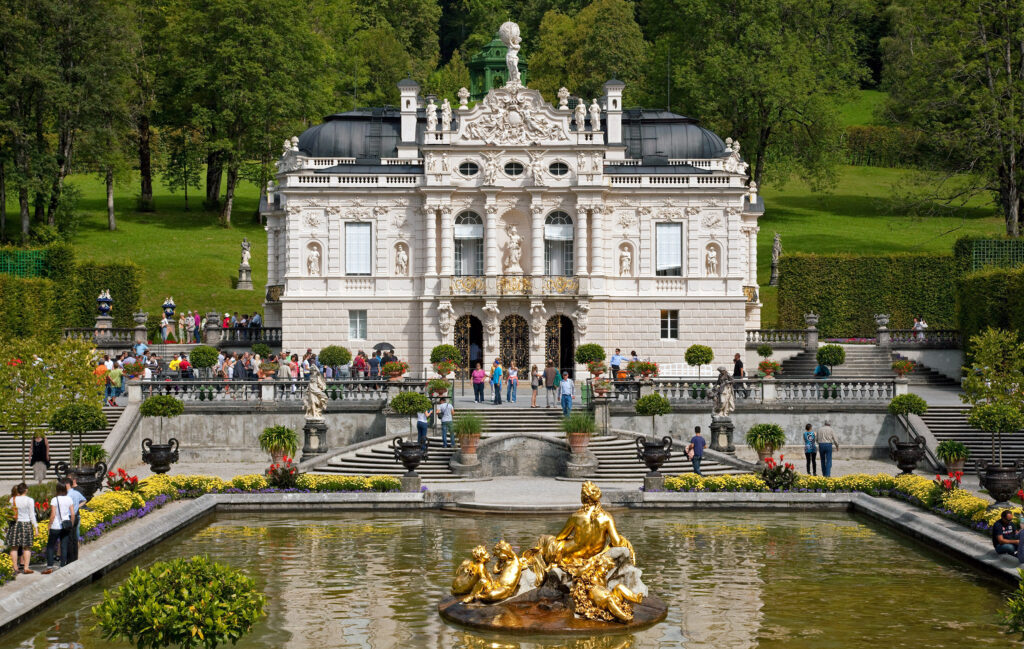
Linderhof Palace, Bavaria, Germany
The smallest and most intimate of King Ludwig II's fairy-tale palaces and the only one he lived to see completed, a gilded Rococo villa set amid fountains, grottoes and an exotic Moorish pavilion in the Bavarian Alps.
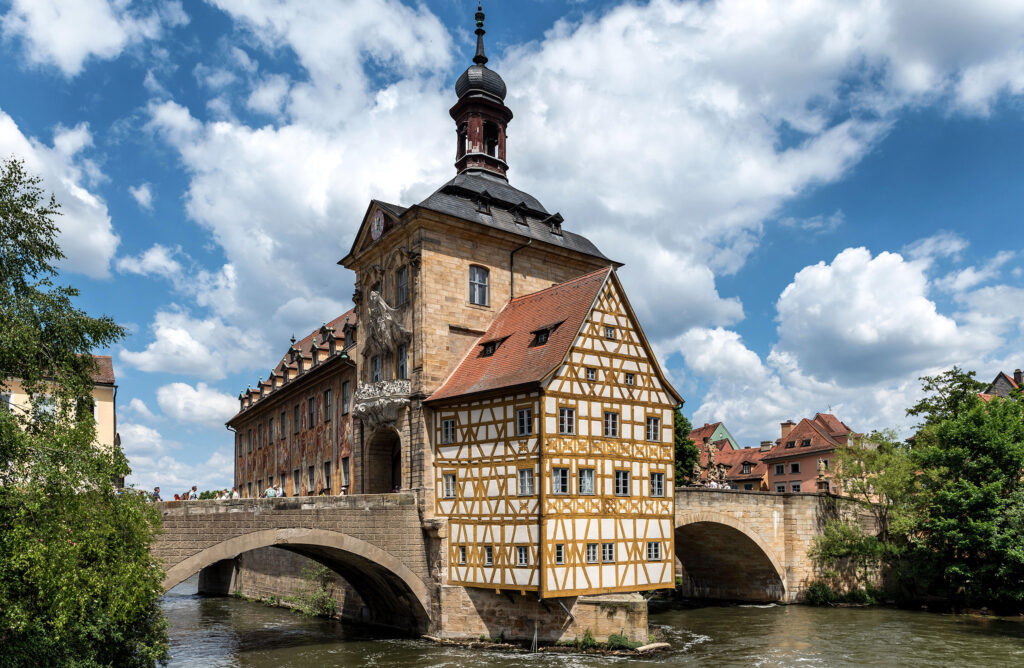
Bamberg old town, Bavaria, Germany
A UNESCO-listed old town spread across seven hills and an island in the Regnitz, famous for its Baroque palaces, its painted Old Town Hall standing midstream and the riverside fishermen's houses of Little Venice.
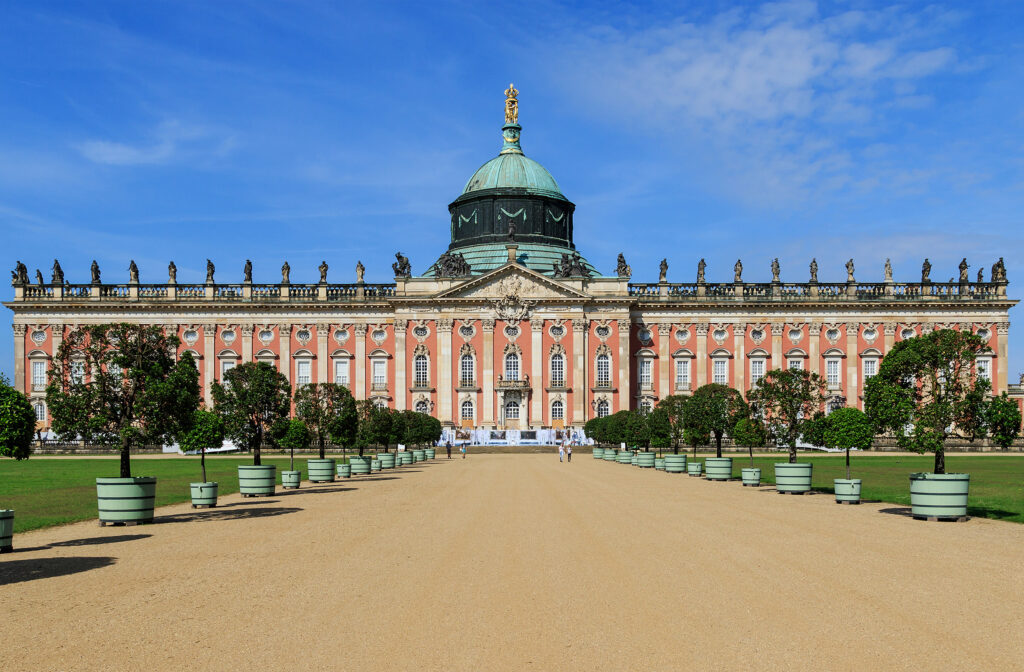
New Palace, Potsdam, Germany
Frederick the Great's grandest palace and the last great Prussian Baroque residence, a 200-room show of power closing the western end of Potsdam's Sanssouci park.
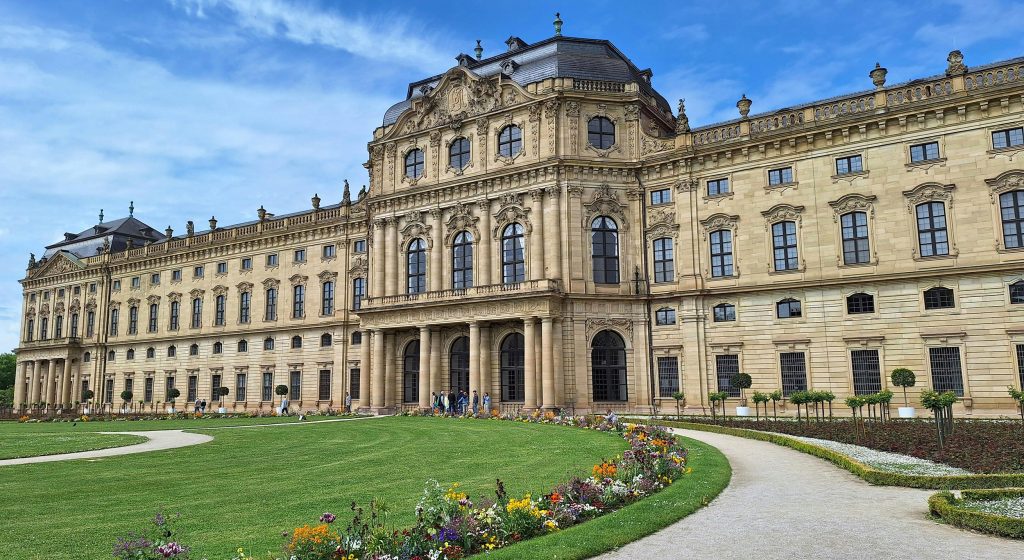
Würzburg Residence palace, Germany
Baroque palace of the Prince-Bishops by Balthasar Neumann with Tiepolo’s giant staircase fresco; UNESCO site, €10, under 18 free.

Trier Cathedral, Germany
Germany’s oldest cathedral, rooted in a 4th-century Roman church and home of the Holy Robe; part of Trier’s UNESCO site, free entry.
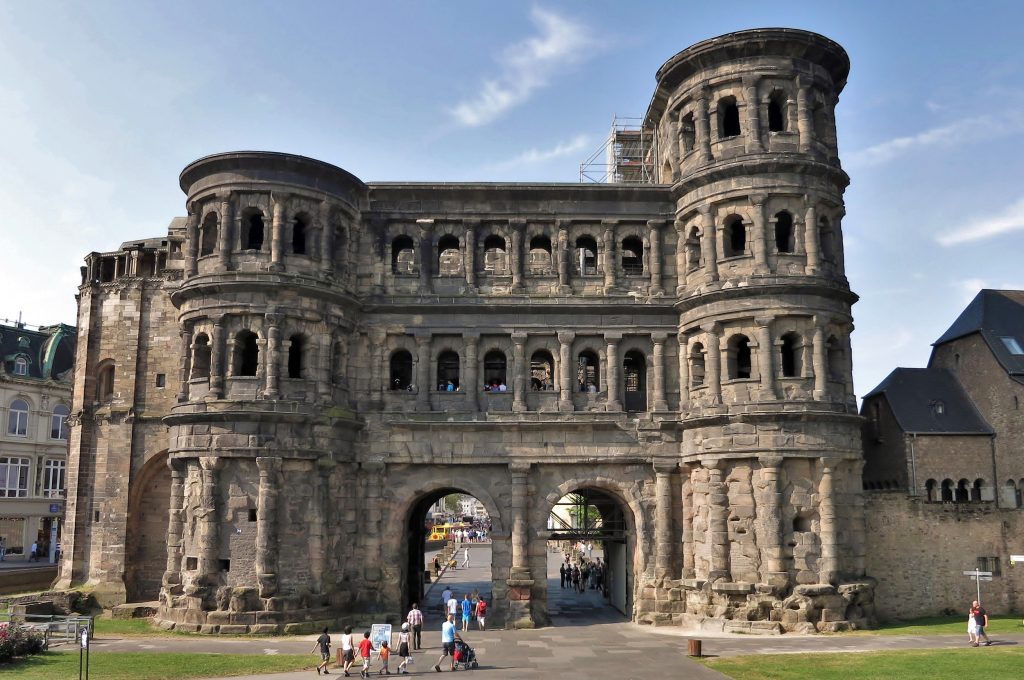
Porta Nigra roman city gate, Trier, Germany
Best-preserved Roman city gate north of the Alps, built around AD 170; part of Trier's UNESCO site. Adults €6, open daily.
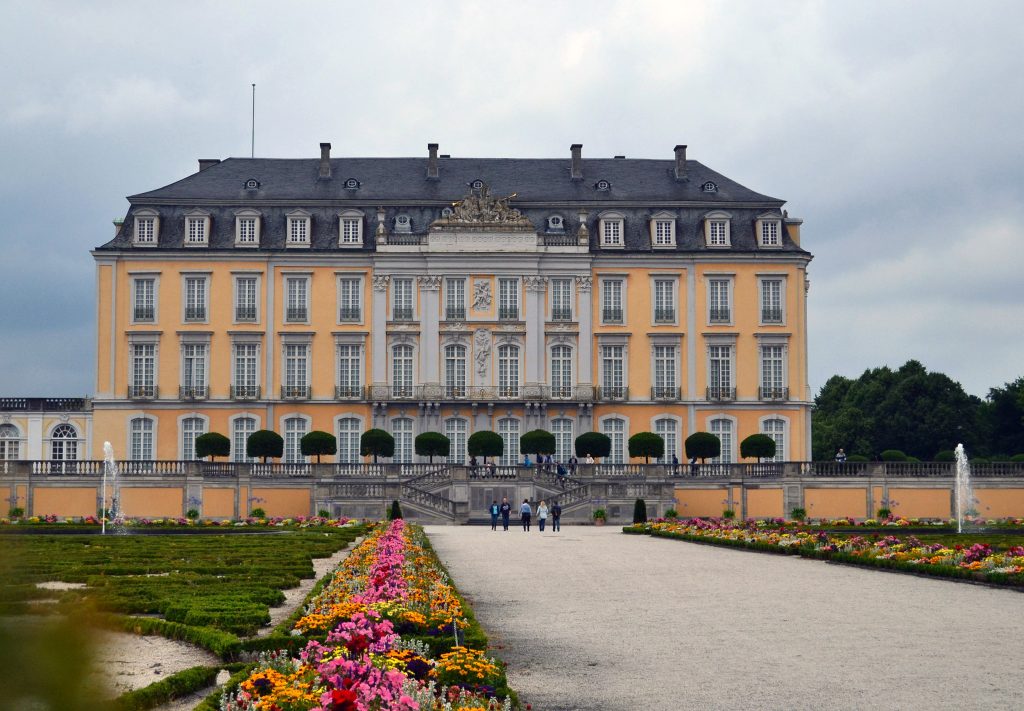
Castles of Augustusburg and Falkenlust at Brühl, Germany
Rococo palaces of the prince-archbishops of Cologne with Neumann's grand staircase and Baroque gardens; UNESCO site. Park free, palace from €9.50.
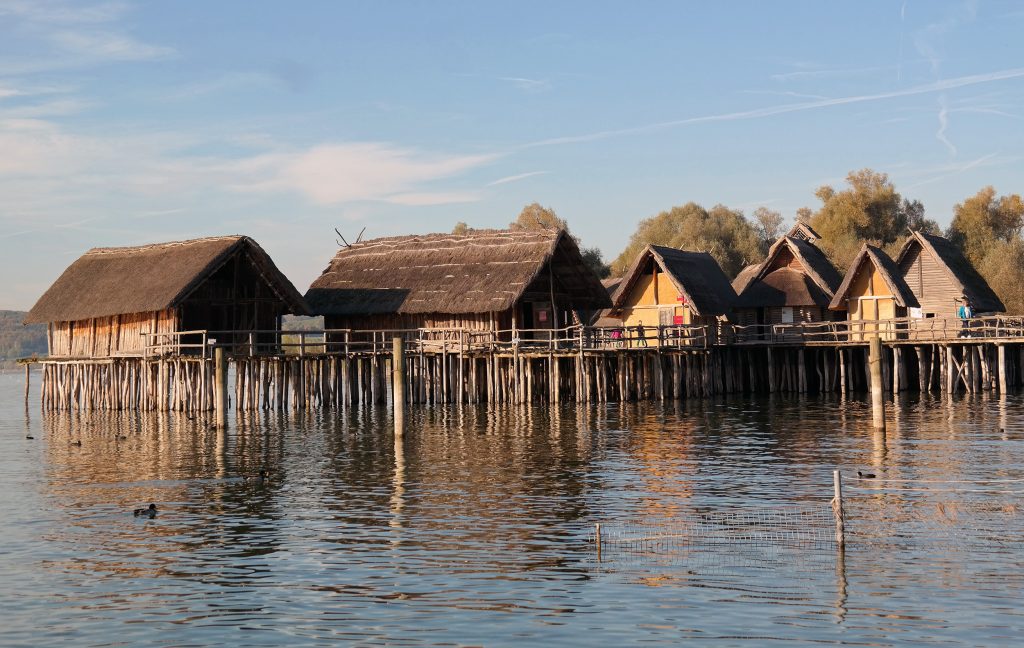
Pfahlbaumuseum Unteruhldingen, Germany
Open-air museum on Lake Constance with reconstructed Stone Age and Bronze Age stilt houses over the water, founded in 1922; adults €14.
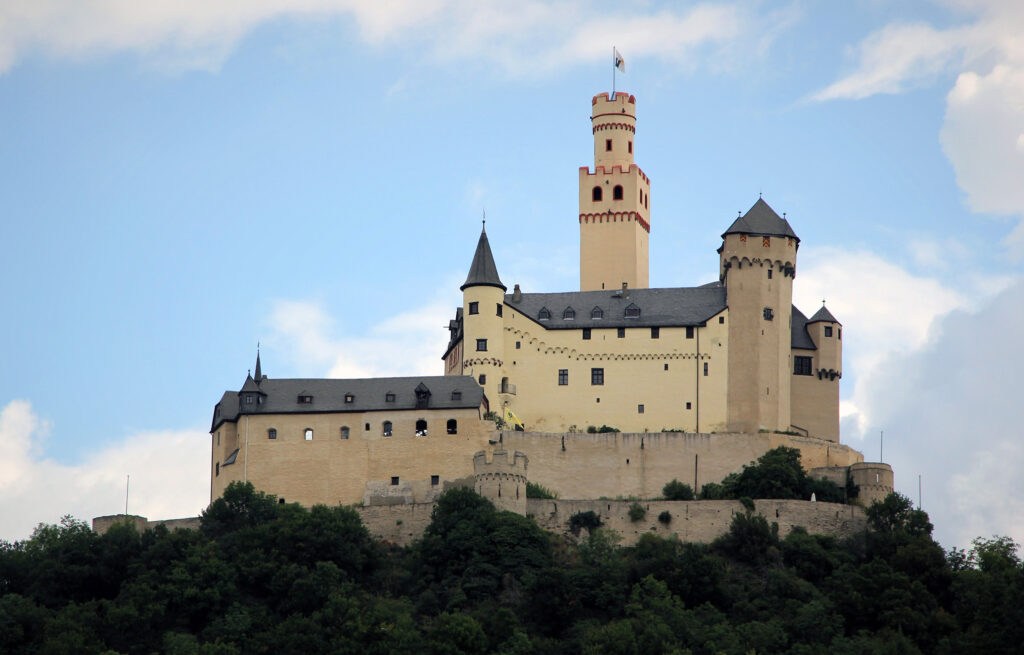
Marksburg Castle in Braubach, Rhineland-Palatinate, Germany
The only hilltop castle on the Middle Rhine never to have been destroyed, standing perfectly preserved above the town of Braubach in the UNESCO-listed Rhine Gorge.
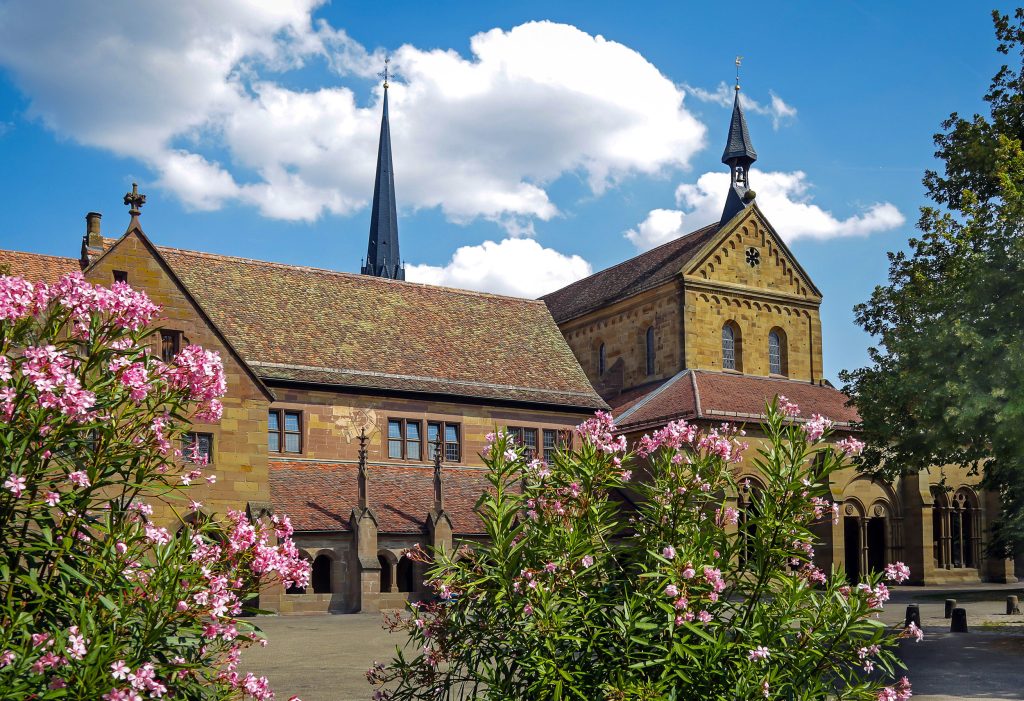
Maulbronn Monastery, Germany
Best-preserved medieval Cistercian monastery north of the Alps, founded in 1147; UNESCO site where Hesse studied. Adults €10.
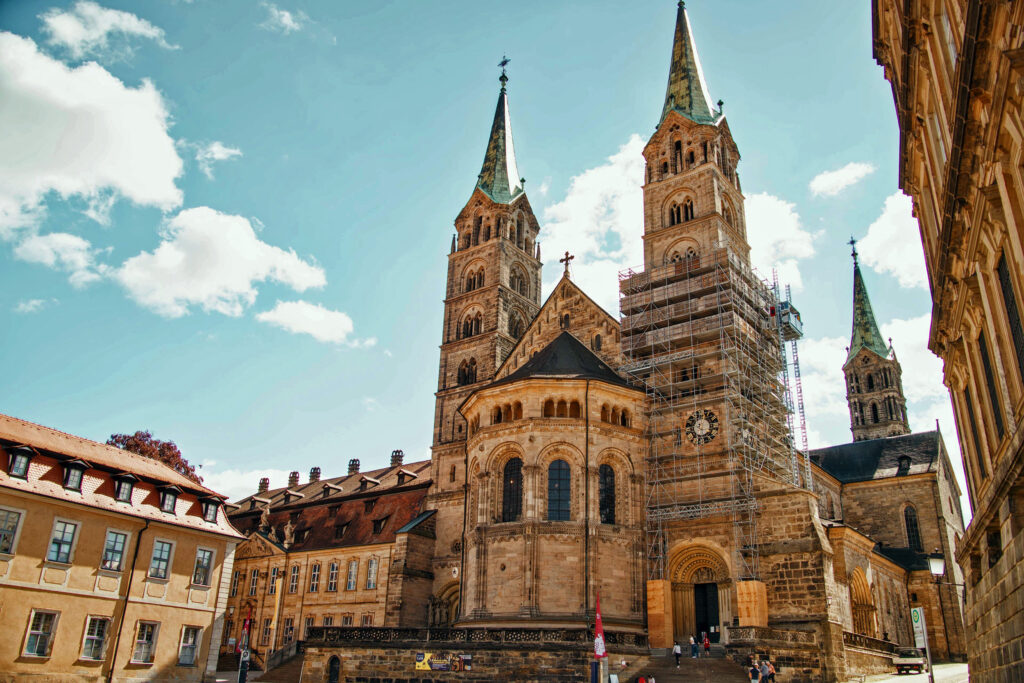
Bamberg Cathedral, Bavaria, Germany
A four-towered imperial cathedral high on Bamberg's Cathedral Hill, home to the enigmatic medieval Bamberg Horseman, the Riemenschneider tomb of Emperor Henry II and the only papal grave north of the Alps.
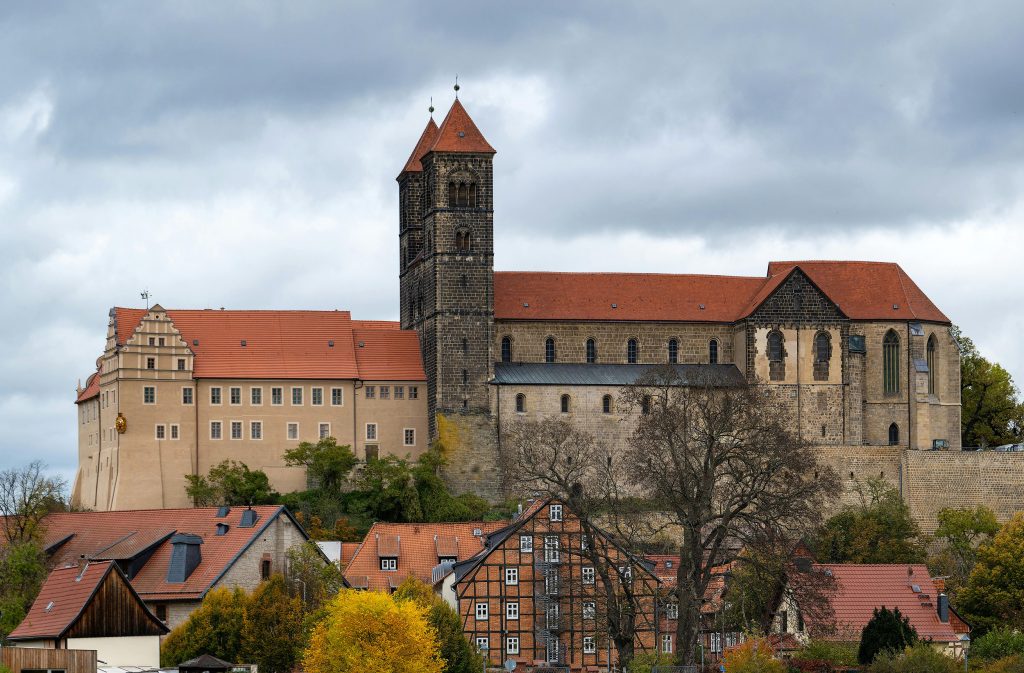
Quedlinburg abbey and castle, Germany
Hilltop abbey church of the first German kings above Quedlinburg’s UNESCO old town, with Henry I’s tomb and a famous treasure; entry €6.
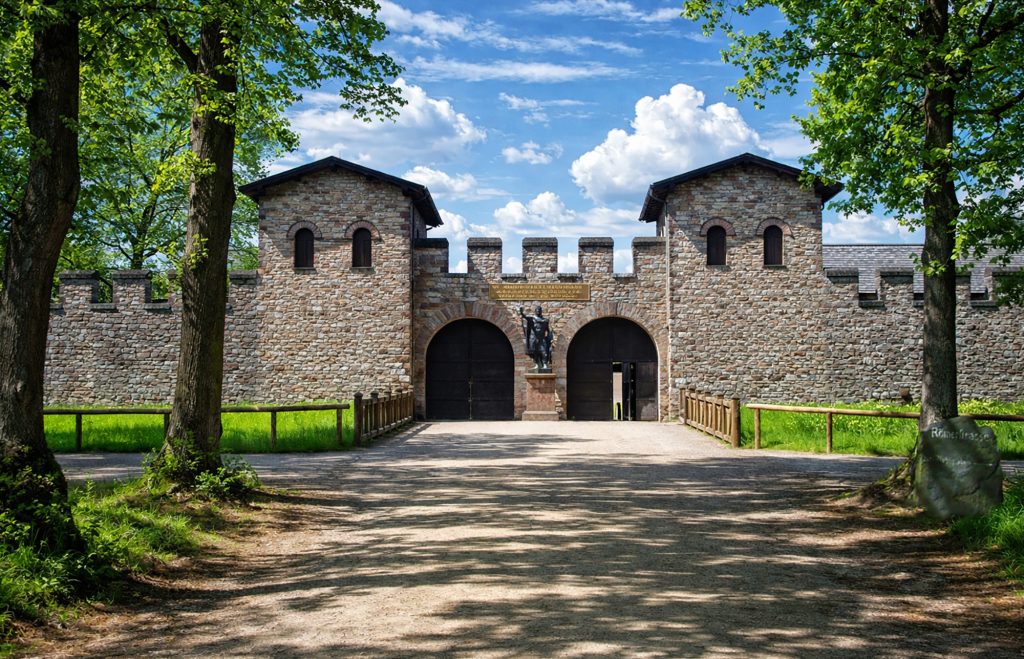
Roman fort Saalburg, Bad Homburg, Germany
Roman fort on the Limes, rebuilt in 1897–1907 under Wilhelm II; UNESCO site with a museum near Bad Homburg. Adults €8, closed Mondays.
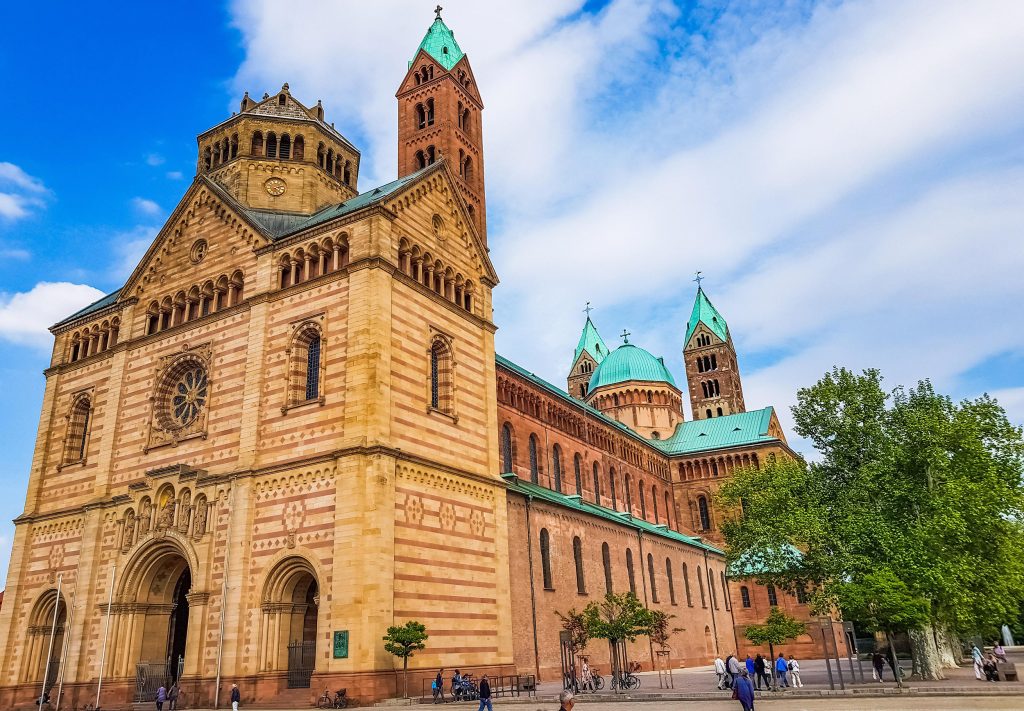
Speyer Cathedral, Germany
Largest surviving Romanesque church, begun c. 1030, with the tombs of emperors and kings; UNESCO site. Free entry, crypt €4.50, tower €7.
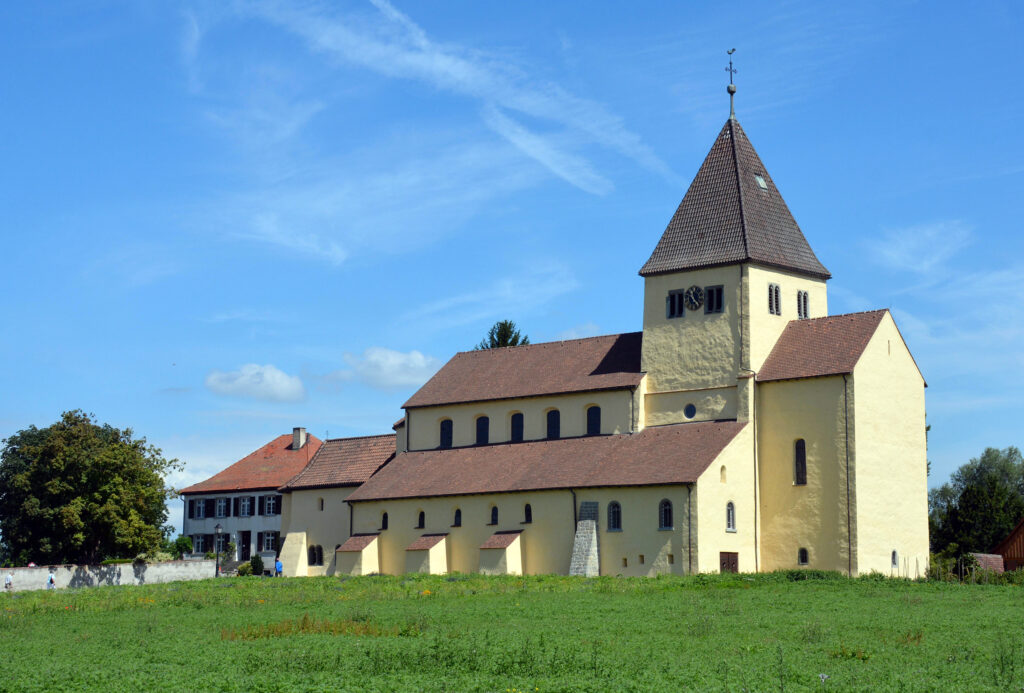
The Monastery island of Reichenau, Germany
UNESCO-listed monastery island on Lake Constance near Konstanz, with three Romanesque churches, Ottonian wall paintings, vineyards and vegetable fields.
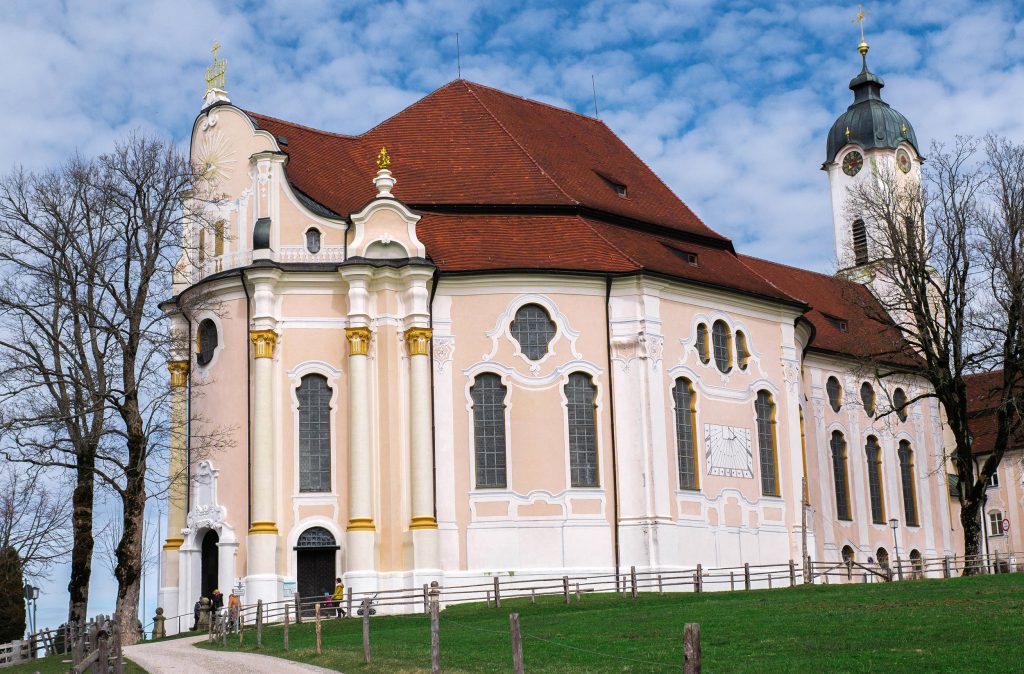
Wieskirche / Pilgrimage Church of Wies, Steingaden, Germany
Rococo masterpiece by the Zimmermann brothers (1745–54) in an Alpine meadow near Steingaden; UNESCO site, free entry, open daily.
UNESCO sites in Germany on the map
Numbers match the ranking above. Click a pin to open the place.
Best time to visit UNESCO sites in Germany
When sightseeing is most pleasant: comfortable 18–26 °C daytime temperatures and more dry days. Averaged over the places on this page.
ERA5 climate data 2015–2024 (Open-Meteo, CC BY 4.0), averaged for the places on this page.
Tickets: what it costs to visit UNESCO sites in Germany
Adult entrance prices, cheapest first. What the ticket includes and what you can see for free.
| Place | Region | Adult ticket | Ticket includes | Free without a ticket | Note |
|---|---|---|---|---|---|
| Speyer Cathedral | Rhineland-Palatinate | €4.50–12.50 | Crypt and imperial tombs | Cathedral | Kaisersaal and tower €7 (April–October); combined ticket €12.50 |
| Porta Nigra roman city gate | Rhineland-Palatinate | €6 | Inside the gate | — | Reduced €5; ages 6–18 €3; family €12 |
| Quedlinburg abbey and castle | Saxony-Anhalt | €6 | Collegiate church, crypt and treasury | Under 18 | Reduced €4.50; closed on Mondays |
| Bergpark Wilhelmshöhe | Hessen | €8 | Palace, Löwenburg and Hercules (April–October) | Park and water features | Reduced €5, under 18 free |
| Castles of Augustusburg and Falkenlust at Brühl | North Rhine-Westphalia | €8–21 | Augustusburg with guided tour €15; Falkenlust €8 | Palace park | Combined ticket €21; free for students and trainees up to 25 |
| Roman fort Saalburg | Hessen | €8 | Roman fort and museum | — | Reduced €6; ages 6–17 €3; family €16 |
| Marksburg Castle in Braubach | Rhineland-Palatinate | €9 | Guided castle tour | — | Visits by guided tour only |
| Linderhof Palace | Bavaria | €10 | Palace | Park | With Venus Grotto €18 |
| Würzburg Residence palace | Bavaria | €10 | Palace rooms with an optional guided tour | Court Garden and Court Church; under 18 | Reduced €9 |
| Maulbronn Monastery | Baden-Württemberg | €10–13 | Church, cloister and monastery buildings | Outer courtyard (Klosterhof) | With guided tour or audio guide €13; children under 6 free |
| Cologne Cathedral | North Rhine-Westphalia | €12 | Cathedral interior | Services and prayer; children up to 13 | Tower €8, treasury €8; reduced cathedral ticket €6 |
| New Palace | Brandenburg | €12 | Palace | Park | Timed entry |
| Wartburg castle | Thuringia | €13 | Castle interior and museum | Courtyards and outdoor areas | Pupils 7–18 €5, children up to 6 free; family €31 |
| Pfahlbaumuseum Unteruhldingen | Baden-Württemberg | €14 | Open-air museum | — | Children 5–15 €8.50; students €12 |
| Neuschwanstein Castle | Bavaria | €23.50 | Palace tour | — | |
| Museum Island Berlin | Berlin | €24 | Museum Island ticket | — | |
| Aachen Cathedral | North Rhine-Westphalia | Free | — | Cathedral | Treasury €7, reduced €4; no sightseeing during services |
| Bamberg old town | Bavaria | Free | — | Old town | |
| Trier Cathedral | Rhineland-Palatinate | Free | — | Cathedral | Small fee for the Cathedral Treasury |
| Bamberg Cathedral | Bavaria | Free | — | Cathedral | Diocesan Museum and tours ticketed |
| The Monastery island of Reichenau | Baden-Württemberg | Free | — | Island | Museum Reichenau €8; St. George’s Church May–Sep only on guided tours |
| Wieskirche | Bavaria | Free | — | Church |
Prices checked: 10.2026. Always check the official website before you go.
More to explore
 Italy26
 Spain23
 France17
 United Kingdom12
 Austria10
 Poland10
 Greece8
 Belgium6
 Czechia6
 Portugal6
 Egypt5
 Turkey5